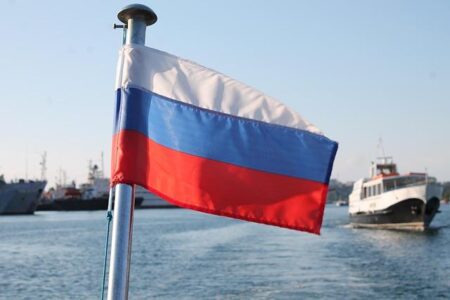
Russia is reportedly shipping drone components to Iran through the Caspian Sea, circumventing the naval blockade at the strategic Strait of Hormuz, according to a recent report by The Times of Israel. This development highlights a growing cooperation between Moscow and Tehran amid heightened geopolitical tensions and sanctions. The bypassing of the Hormuz corridor-a critical chokepoint for global energy supplies-raises concerns about regional security and the proliferation of military technology in a volatile part of the world.
Russia’s Use of Caspian Sea Routes to Supply Iran with Drone Components
Recent reports indicate that Russia has intensified its efforts to supply Iran with critical drone components by utilizing maritime routes across the Caspian Sea. This strategic maneuver effectively circumvents the naval blockade imposed on the Strait of Hormuz, a chokepoint traditionally monitored by Western forces to restrict the flow of military-related goods to Tehran. The Caspian Sea corridor offers a discreet and less monitored passage, enabling shipments to reach Iranian shores with reduced risk of interception. Experts suggest this approach underlines Moscow’s commitment to bolstering Iran’s aerial capabilities despite international sanctions and increasing geopolitical scrutiny.
The shipments reportedly consist of key drone parts, including:
- Advanced propulsion systems essential for extended flight endurance.
- Navigation and targeting modules enhancing operational precision.
- Composite materials critical for lightweight yet durable drone frames.
Intelligence sources warn that such deliveries could accelerate Iran’s indigenous drone production and expand its export potential to allied militant groups across the Middle East. This evolving supply chain highlights the growing sophistication and adaptability of Moscow-Tehran cooperation amid a complex web of sanctions and global tensions.
Implications of Bypassing the Hormuz Strait Blockade for Regional Security
The decision to circumvent the Hormuz Strait blockade by routing drone components through the Caspian Sea marks a significant shift in the geopolitical dynamics of the region. This move not only challenges the effectiveness of existing maritime security measures but also signals a potential escalation in the strategic rivalry among regional powers. The bypass underscores how maritime chokepoints, long considered critical leverage points, can be circumvented through alternative routes, complicating the enforcement of sanctions and increasing the risk of unmonitored arms transfers.
Regional security is further destabilized as this development could embolden actors to pursue more aggressive military capabilities without fear of interception. Key concerns include:
- Increased militarization: Enhanced drone capabilities may exacerbate tensions among Gulf states and external powers operating in the region.
- Undermining of international sanctions: The maneuver weakens global efforts to contain Iran’s military advancements.
- Heightened risk of conflict: Changes in supply routes may provoke retaliatory actions or preemptive strikes, heightening the risk of an open confrontation.
Policy Recommendations for Strengthening Maritime Surveillance and Preventing Arms Transfers
To effectively counter the clandestine transfer of drone components and other military hardware via maritime routes such as the Caspian Sea, it is essential to enhance regional maritime surveillance capabilities. This includes deploying advanced radar systems, satellite monitoring, and unmanned aerial vehicles (UAVs) to provide real-time intelligence and improve situational awareness along critical corridors. Strengthening cooperation among littoral states by establishing joint patrols and intelligence-sharing platforms can close existing gaps exploited by illicit shipments bypassing established embargoes like the Hormuz blockade.
Policy measures should prioritize:
- Upgrading maritime domain awareness through investment in cutting-edge technology and training.
- Expanding multilateral maritime coalitions focused on enforcing arms embargoes and tracking suspicious cargo.
- Implementing stricter inspections and customs controls at key transit ports along the Caspian Sea.
- Enhancing legal frameworks to prosecute entities involved in unauthorized arms transfers.
By adopting a multi-dimensional strategy that combines technical innovation, regional collaboration, and robust enforcement mechanisms, policymakers can more effectively disrupt supply chains facilitating the movement of drone parts and other military materials. This approach not only safeguards regional security but also underpins international efforts to prevent the escalation of conflicts fueled by unchecked arms proliferation.
The Way Forward
As tensions continue to mount in the region, Russia’s reported shipment of drone components to Iran via the Caspian Sea underscores the evolving complexities of international sanctions and maritime security. Bypassing the strategic Strait of Hormuz, this development may have significant implications for the balance of power and ongoing geopolitical dynamics in the Middle East. Analysts and policymakers will be closely monitoring the situation as it unfolds, given its potential impact on regional stability and global energy routes.