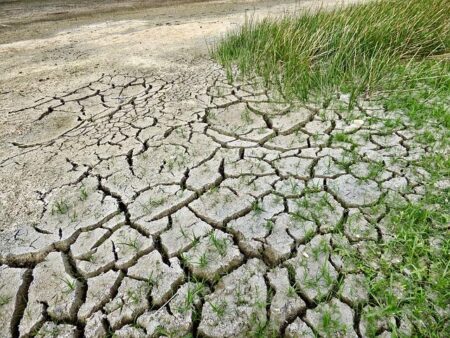

Spain has launched a nationwide network of climate shelters in a decisive effort to combat the deadly impact of recent heatwaves, which have contributed to a surge in heat-related fatalities across the country. The initiative, aimed at providing safe and cool refuge for vulnerable populations during extreme temperature spikes, reflects growing concerns over the health risks posed by escalating climate change. As record-breaking heat deteriorates living conditions, authorities are intensifying measures to protect residents and mitigate the human toll of soaring temperatures.
Spain Establishes Climate Shelter Network to Combat Rising Heatwave Fatalities
In a decisive move to address the escalating health risks posed by soaring temperatures, Spanish authorities have launched an extensive network of climate shelters across the country. These facilities are designed to provide respite during extreme heatwaves, which have seen a troubling increase in heat-related fatalities in recent years. The shelters, strategically located in urban areas and vulnerable communities, are equipped with air conditioning, hydration stations, and medical assistance, aiming to offer protection to the most at-risk populations such as the elderly, children, and those with pre-existing health conditions.
The initiative also includes public awareness campaigns emphasizing preventive measures and heatwave safety. Key features of the climate shelter network include:
- Accessibility: Easily reachable locations in cities and rural areas.
- 24/7 Operations: Open during peak heatwave periods to ensure continuous support.
- Community Support: Collaboration with local volunteers and healthcare providers.
- Real-time Monitoring: Integration with weather alert systems for timely activation.
This proactive approach underlines Spain’s commitment to mitigating climate change impacts on public health and highlights the urgent need for adaptive strategies in facing global warming challenges.
Government and Local Authorities Mobilize Resources for Vulnerable Populations
In a swift response to the recent surge in heatwave-related fatalities, Spain’s government has collaborated closely with local authorities to allocate substantial resources aimed at protecting the most vulnerable groups. This initiative includes the establishment of a comprehensive network of climate shelters designed to offer immediate relief from soaring temperatures. These centers are strategically located in urban and rural areas alike, ensuring accessibility for elderly citizens, people with chronic illnesses, and socially isolated individuals who are disproportionately affected by extreme heat conditions.
The rollout of these cooling centers is accompanied by several key measures, including:
- 24/7 medical support staffed with professionals trained to handle heat-related emergencies.
- Transportation services to bring those at risk safely to designated shelters.
- Public awareness campaigns to inform communities about the signs of heat exhaustion and preventive strategies.
- Collaboration with NGOs to reach marginalized populations who often lack access to conventional support channels.
These concerted efforts reflect a growing recognition of climate change’s impact on public health and the urgent need for proactive adaptation strategies to safeguard at-risk demographics nationwide.
Experts Urge Continued Investment in Heat Resilience and Public Awareness Campaigns
Amid rising temperatures and an increasing number of heatwave-related fatalities, specialists emphasize the urgency of expanding infrastructure designed to protect vulnerable populations. Investments in climate-resilient shelters are considered essential, not only to provide immediate relief during extreme heat events but also to strengthen urban landscapes against future climatic stresses. Experts advocate for the integration of these shelters into broader urban planning strategies, ensuring accessibility and sustainability over the long term.
In parallel, public education remains a critical pillar in mitigating heatwave risks. Authorities and health organizations are urged to enhance awareness campaigns that inform citizens about preventive measures, symptoms of heat-related illnesses, and cooling strategies. Key recommendations focus on:
- Hydration guidelines to prevent dehydration.
- Recognition of heat exhaustion and heatstroke symptoms.
- Safe practices for outdoor activities during peak heat hours.
- Encouraging community support networks, especially for elderly and at-risk individuals.
Continued collaboration between government entities, urban planners, and public health officials is vital to develop resilient systems that save lives and enhance community preparedness.
Concluding Remarks
As Spain continues to face increasingly severe heatwaves linked to climate change, the establishment of a nationwide climate shelter network marks a critical step toward safeguarding vulnerable populations. While the initiative aims to reduce heat-related fatalities and provide immediate relief during extreme temperature events, experts emphasize the need for long-term strategies addressing the root causes of global warming. Spain’s efforts may serve as a model for other countries grappling with similar climate challenges in the years ahead.