
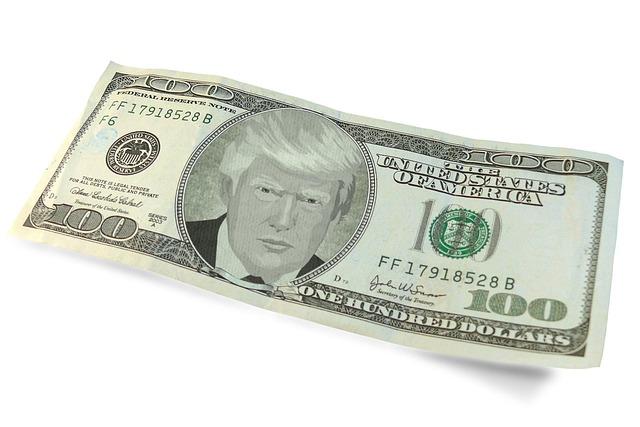
Former President Donald Trump is set to travel to China for high-stakes discussions with President Xi Jinping, marking a significant development in US-China relations. The upcoming talks come amid escalating tensions between the two global powers over trade, security, and geopolitical influence. As both leaders prepare to engage in this critical dialogue, observers are closely monitoring the potential implications for international diplomacy and domestic politics. This article provides live updates and analysis on the unfolding visit and its impact on the broader US political landscape.
Trump Arrives in China Amid Escalating Trade Tensions with Beijing
President Trump’s arrival in Beijing marks a critical juncture in one of the most contentious trade relationships of recent decades. As tensions between Washington and Beijing escalate over tariffs, intellectual property rights, and market access, both sides appear poised to engage in high-stakes negotiations that could redefine global economic dynamics. The visit is expected to cover a wide array of complex topics, including technology transfers, agricultural exports, and currency valuation, with the potential to either ease frictions or deepen the divide.
Key issues on the agenda include:
- Reduction of tariffs: Discussions aimed at rolling back recent tariffs imposed on hundreds of billions of dollars in goods.
- Protection of intellectual property: Addressing ongoing US concerns about the theft and forced transfer of American technology.
- Market reforms: Chinese promises to open markets to more foreign competition and investment.
- Trade balance adjustments: Efforts to reduce the trade deficit between the two economic superpowers.
The outcome of these talks is closely watched by global markets, as investors anticipate either a thaw in US-China trade relations or a continuation of protectionist policies that could hamper international growth.
Analysis of Key Issues on the Agenda Including Technology and Tariffs
As President Trump prepares for his upcoming summit with Xi Jinping, the spotlight is firmly on pivotal issues shaping US-China relations. Central to the dialogue are the clashing economies’ approach to technology transfers, intellectual property rights, and the sprawling tariffs war that has rattled global markets for over a year. Washington has voiced persistent concerns that Chinese policies pressure American companies into involuntary technology sharing, a point of contention that has fueled much of the recent tariff escalations. The White House aims to push Beijing towards more transparent business practices and enforce stricter intellectual property protections, hoping to level the playing field for US firms operating in China.
Tariffs remain a deeply fraught topic on the table, with the US government seeking relief from the punitive measures imposed last year that have significantly impacted both economies. However, China insists that any rollback must be part of a broader, reciprocal arrangement addressing structural trade imbalances and industrial subsidies. Key issues expected to be discussed include:
- Reduction or removal of existing tariffs on billions of dollars of goods
- Enforcement mechanisms for any trade agreements reached
- Collaboration on emerging technologies such as 5G and artificial intelligence
- Addressing forced technology transfers and cybersecurity concerns
Both sides recognize the high stakes involved, as the meeting could either pave the way for a détente or deepen the economic rivalry impacting global markets. The negotiations will test not only diplomatic finesse but also the resilience of international trade norms amid growing geopolitical tensions.
Experts Recommend Strategic Engagement to Balance Competition and Cooperation
As President Trump prepares for his pivotal meeting with President Xi Jinping, experts underscore the necessity of a nuanced approach that deftly balances rivalry with collaboration. Diplomats and analysts alike warn that overtly aggressive postures risk derailing negotiations, yet excessive concessions may undermine America’s strategic interests. The prevailing consensus points toward a framework that embraces both competitive safeguards and cooperative engagement to foster durable progress.
The recommended strategy includes several key elements:
- Targeted economic reforms: Encouraging China to open markets selectively while protecting critical U.S. industries from unfair competition.
- Technological collaboration: Advancing shared innovation goals without compromising intellectual property rights or national security.
- Diplomatic dialogue: Maintaining open channels for conflict resolution even amid mounting geopolitical tensions.
- Multilateral coordination: Aligning with allies to reinforce common standards and exert collective influence.
Such a strategic engagement could chart a path forward that mitigates friction while capitalizing on avenues of mutual benefit, setting the tone for what many hope will be a landmark series of talks.
Final Thoughts
As President Trump prepares to engage in high-stakes discussions with Chinese President Xi Jinping, the international community watches closely, aware that the outcomes could significantly influence the trajectory of US-China relations. With both economic and geopolitical tensions at the forefront, these talks represent a pivotal moment in navigating the complex challenges between the two powers. Further updates will follow as the situation develops.