
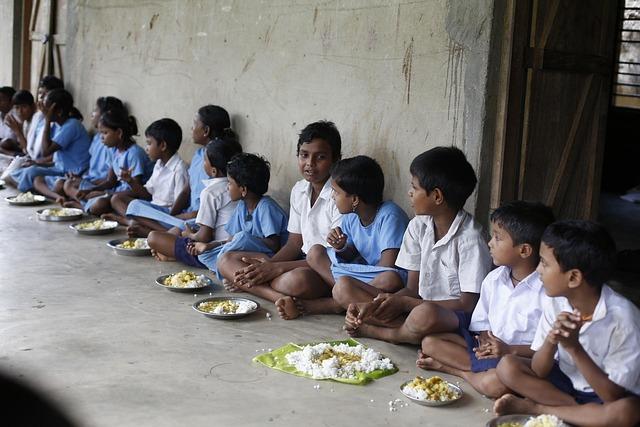
In the rapidly evolving landscape of India’s education sector, innovative approaches to learning and development are gaining unprecedented momentum. “The Full Plate”: Nourishing India’s Educational Future, an insightful conversation with Satish Jha featured in The American Bazaar, delves deep into the challenges and opportunities shaping the nation’s academic horizon. As policymakers, educators, and entrepreneurs navigate a post-pandemic world, Jha’s perspectives shed light on strategies that aim not only to address systemic gaps but also to foster inclusive and sustainable growth in India’s education ecosystem. This article unpacks the key themes from the discussion, offering a compelling look at the future of education in one of the world’s largest and most dynamic markets.
Innovative Strategies to Bridge Educational Gaps in Rural India
Addressing the educational disparities in rural India requires a multifaceted approach that blends technology, community engagement, and tailored pedagogical methods. Satish Jha highlights the transformative power of digital classrooms and mobile learning platforms that transcend geographical barriers, enabling students in remote villages to access quality education. These innovative tools, often powered by low-cost smartphones and solar-powered devices, have revolutionized the traditional model by making learning more interactive and adaptable to local languages and contexts.
Beyond infrastructure, there is a growing emphasis on empowering local educators and parents through capacity-building programs, ensuring sustainable impact. Initiatives like community-run learning hubs, mentorship programs involving urban volunteers, and culturally relevant curricula seek to make education not just accessible but also meaningful. According to Jha, these efforts nurture a supportive ecosystem where
- students remain motivated,
- parents become active stakeholders,
- and teachers evolve as catalysts for change.
Together, these strategies serve as a beacon of hope in nurturing India’s educational future from the grassroots upward.
Empowering Teachers through Technology and Training for Lasting Impact
In addressing the evolving challenges of India’s education system, Satish Jha underscores the pivotal role teachers play as catalysts for change. He advocates for a holistic approach that combines cutting-edge technology with comprehensive training programs, ensuring educators are not only equipped with digital tools but also possess the pedagogical skills to effectively integrate them into the classroom. This strategy is designed to transcend mere digital adoption, fostering a transformative learning environment that caters to diverse student needs across urban and rural landscapes.
Key initiatives highlighted include:
- Regular upskilling workshops focusing on both subject expertise and digital literacy.
- Collaborative platforms enabling teachers to exchange best practices and innovative methodologies.
- Data-driven feedback systems to monitor student progress and tailor instructional strategies accordingly.
By empowering teachers through these multifaceted interventions, the vision is to cultivate a resilient educational ecosystem that delivers measurable and lasting impact, ultimately bridging learning gaps and nurturing India’s vast potential.
Policy Recommendations to Foster Inclusive and Sustainable Learning Environments
To transform India’s educational landscape into one that is truly inclusive and sustainable, policymakers must prioritize equitable resource distribution that reaches the most marginalized communities. Investing in infrastructure upgrades such as digital classrooms and sanitation facilities will directly impact attendance and engagement, especially for girls and children in rural areas. Simultaneously, curriculums need to be restructured to embrace diverse cultural contexts, promoting multilingual learning and critical thinking over rote memorization. Emphasis on teacher training is equally vital, ensuring educators are equipped to support varied learning needs and foster a supportive classroom environment.
Equally important is the integration of sustainability principles into school operations and curricula to nurture environmentally conscious citizens. This can be achieved through initiatives like:
- Implementing green school programs that encourage energy efficiency and waste reduction.
- Embedding climate education to raise awareness about local and global environmental challenges.
- Promoting community partnerships that link educational goals with sustainable development projects.
By adopting these focused strategies, India’s educational system can better serve future generations-equipped not just with knowledge but with the capacity to build a more just and resilient society.
To Wrap It Up
As India continues to navigate the challenges and opportunities of a rapidly evolving educational landscape, initiatives like ‘The Full Plate’ offer a promising blueprint for nourishing the country’s future generations. Satish Jha’s insights underscore the vital role of innovative, inclusive approaches in bridging gaps and empowering students across the nation. With sustained commitment and collaboration, efforts such as these could well redefine the contours of India’s educational progress in the years to come.