
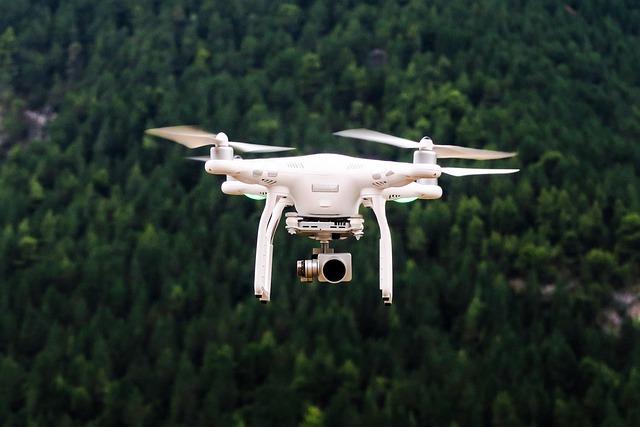
In a striking development on the Eastern European front, Kyiv’s drone operations have increasingly challenged Russia’s once formidable air defense systems, creating critical vulnerabilities in Moscow’s military shield. Recent reports from Der Spiegel, highlighted by the Kyiv Post, reveal how innovative drone tactics employed by Ukrainian forces are punching holes in Russian airspace security, signaling a shift in aerial warfare dynamics. This emerging drone war underscores the evolving nature of the conflict and raises pressing questions about the future of air defense strategies in the region.
Kyiv’s Drone Tactics Expose Vulnerabilities in Russian Air Defense Systems
In a striking display of tactical innovation, Kyiv has leveraged small, agile drones to outmaneuver and expose critical weaknesses within Russia’s extensive air defense network. These unmanned aerial vehicles, often deployed in swarms, have overwhelmed traditional radar and missile systems designed to counter larger, conventional aircraft threats. The use of drone swarms has not only allowed Kyiv to conduct precise reconnaissance missions but also execute targeted strikes on high-value assets, revealing gaps in Russia’s ability to detect and intercept low-flying, slow-moving aerial targets.
Experts point to several factors contributing to these vulnerabilities, including
- Outdated radar technologies incapable of distinguishing small drones from cluttered background signals
- Limited missile inventory optimized for larger threats, making counter-drone operations inefficient and costly
- Operational challenges stemming from the sheer volume and unpredictability of drone tactics employed by Kyiv forces
As the conflict evolves, analysts emphasize the urgent need for Russia to adapt its air defense infrastructure, integrating more sophisticated electronic warfare capabilities and drone-specific countermeasures to plug the emerging holes in its aerial shield.
Analyzing the Impact of Unmanned Aerial Warfare on Eastern European Conflict Dynamics
The increasing deployment of unmanned aerial vehicles (UAVs) by Kyiv has decisively shifted the tactical balance in Eastern Europe’s ongoing conflicts. These drones have rapidly evolved from mere reconnaissance tools into offensive assets capable of bypassing traditional air defense mechanisms. Recent operations have demonstrated their ability to infiltrate Russian airspace with precision strikes, delivering significant damage to strategic targets while minimizing risks to Ukrainian pilots. This evolution challenges long-held assumptions about the efficacy of Russian missile defense systems, exposing vulnerabilities that Kyiv exploits with surgical efficiency.
Key aspects driving this paradigm shift include:
- Cost-effectiveness: Compared to manned aircraft, drones offer an affordable alternative with lower operational expenses and reduced casualty risks.
- Technological innovation: Integration of advanced sensors and AI navigation enables real-time adaptability and stealth capabilities.
- Psychological impact: Continuous, unpredictable drone strikes disrupt enemy morale and command structures.
- Asymmetric warfare advantage: A smaller force utilizing drones can effectively counterbalance superior numbers or firepower.
As Eastern European theaters become testing grounds for this new mode of combat, the implications extend beyond immediate battlefield outcomes, potentially redefining future military doctrines and geopolitical strategies in the region.
Strategic Recommendations for Strengthening Air Defense Against Emerging Drone Threats
In responding to the escalating use of drones on modern battlefields, air defense systems must evolve rapidly to address these stealthy and agile threats. Prioritizing the integration of multi-layered detection technologies, such as radar, infrared sensors, and electronic intelligence, is essential to provide comprehensive coverage and reduce blind spots. Coupling these with advanced AI-driven analytics can enhance the speed and accuracy of threat identification, allowing for timely and precise countermeasures. Additionally, field-deployable counter-drone solutions, including directed energy weapons and kinetic interceptors, should be diversified to respond effectively across varied drone types and operational scenarios.
Equally critical is strengthening coordination among ground, air, and cyber defense units to establish real-time intelligence sharing and integrated command frameworks. This fosters a unified response against swarm tactics and sophisticated drone networks. Investment in continuous training programs that simulate emerging drone tactics will ensure operational readiness and adaptability. Moreover, innovation in electronic warfare to disrupt drone navigation and communication systems remains a decisive tool in impairing enemy UAV effectiveness, forcing adversaries to expend resources on counter-countermeasures and ultimately weakening their offensive capabilities.
Closing Remarks
As Kyiv continues to leverage drone technology to challenge Russia’s air defenses, the evolving dynamics of this low-cost, high-impact warfare signal a shift in modern conflict strategies. The persistent drone incursions not only expose vulnerabilities in Russia’s air shield but also underscore the increasing role of unmanned systems in shaping the battlefield. As this drone war unfolds, both strategic adaptation and technological innovation will remain critical for the forces engaged, with implications extending far beyond the immediate frontlines.