
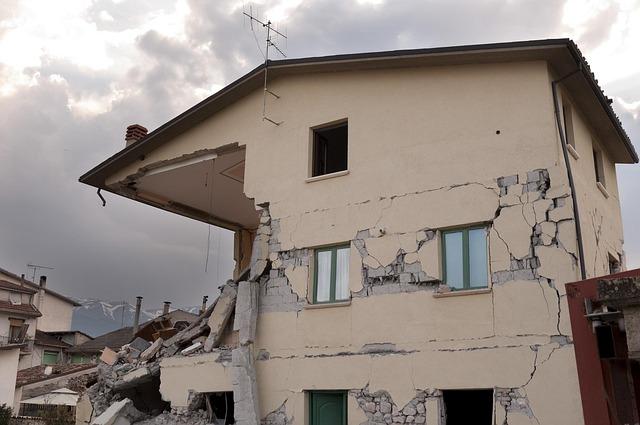
A powerful earthquake struck the Tohoku region of Japan early Thursday, rattling buildings and prompting urgent safety warnings across the area. According to the Japan Meteorological Agency, the quake registered a significant magnitude, causing widespread shaking and disrupting daily life for residents. Emergency services have been mobilized to assess damage and assist those affected as aftershocks continue to be monitored. More details on the impact and ongoing response efforts are emerging.
Impact on Infrastructure and Community Response in Tohoku
The 7.2-magnitude earthquake that struck the Tohoku region has caused extensive damage to critical infrastructure, leaving thousands without power and disrupting transportation networks. Major highways and rail lines suffered significant structural damage, forcing the suspension of services and hindering relief efforts. Several bridges and tunnels have been reported as unsafe, with emergency inspections underway to assess the full extent of the destruction. Water and gas utilities experienced outages in multiple municipalities, raising concerns over access to basic services during the recovery phase.
In response, local communities have demonstrated remarkable resilience and solidarity. Volunteers quickly mobilized to support evacuation centers, distributing food, water, and emergency supplies to those affected. Neighborhood groups and local authorities coordinated efforts to clear debris and restore essential services, showcasing a grassroots approach to disaster management. Additionally, temporary shelters have been established across the hardest-hit areas, prioritizing the safety and well-being of displaced residents. Authorities urge caution as aftershocks continue, emphasizing preparedness and community cooperation during this critical period.
- Power outages reported in over 10,000 households
- Rail services suspended between Sendai and Morioka
- Emergency shelters set up in local schools and public halls
- Volunteers assisting with distribution of relief materials
Seismic Activity Patterns and Expert Analysis of Earthquake Risks
Recent seismic recordings in the Tohoku region reveal a complex pattern of aftershocks following the main tremor, indicating ongoing adjustments along fault lines that have historically been prone to large-scale earthquakes. Experts highlight that these recurring tremors are characteristic of the subduction zone’s dynamic nature beneath northeastern Japan, where the Pacific Plate slides beneath the North American Plate. Seismologists emphasize the importance of continuous monitoring, noting that while the sequence is typical, the potential for further significant shocks remains, warranting heightened alertness among local communities and authorities.
Key insights from earthquake risk analysts include:
- Patterns of seismic swarms often precede larger, more destructive events, emphasizing the need for rapid response strategies.
- The role of stress transfer between interconnected faults can amplify the risk of triggered quakes in closely linked fault zones.
- Advancements in real-time data analytics are improving predictive models but cannot yet guarantee precise forecasting of quake timing or magnitude.
Emergency Preparedness Tips for Residents in Earthquake-Prone Areas
Residents in the Tohoku region are urged to reinforce their readiness by regularly inspecting and securing heavy furniture to prevent injuries during seismic events. Establishing a designated safe spot within the home-preferably under sturdy tables or against interior walls-can significantly reduce risk. Additionally, creating an emergency supply kit containing essentials such as water, non-perishable food, flashlights, a first aid kit, and important documents is critical for sustaining safety in the aftermath of shaking.
Communication plans are equally vital; families should agree on meeting points and ensure all members understand evacuation routes. It is advisable to keep a battery-powered radio on hand to receive timely updates when power and internet connections fail. Regular participation in community drills and staying informed about local disaster response protocols enhances collective preparedness and can save lives during future earthquakes.
To Conclude
As aftershocks continue to rattle the Tohoku region, authorities urge residents to remain vigilant and adhere to safety protocols. Emergency services are actively assessing damages and providing support to affected communities. Further updates will be delivered as the situation develops.