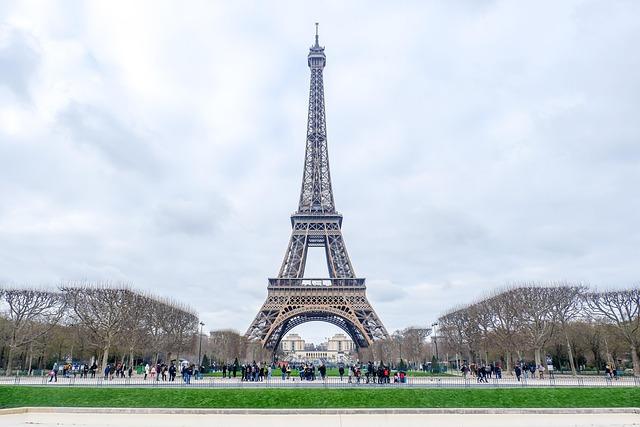
French authorities have arrested six individuals in connection with the unauthorized display of a Palestinian flag on the Eiffel Tower, a symbolic act that sparked widespread attention. The incident, which occurred amid ongoing tensions in the Middle East, has drawn reactions both domestically and internationally. Law enforcement agencies are investigating the circumstances surrounding the flag’s appearance on one of France’s most iconic landmarks, while officials emphasize the legal ramifications of such acts on public property.
France Detains Suspects in Palestinian Flag Display Incident at Eiffel Tower
French authorities have apprehended six individuals in connection with the unauthorized display of a Palestinian flag on the iconic Eiffel Tower. The incident, which sparked significant social media attention and public debate, occurred late last week when the flag was unfurled, drawing both condemnation and support from various factions. Officials have launched a thorough investigation to determine the motivations behind the actions and assess any potential security breaches at the landmark.
Among the key points revealed by law enforcement sources are:
- The suspects were detained following coordinated raids in multiple Paris neighborhoods.
- Authorities are probing links to political activism and possible affiliations with advocacy groups.
- The Eiffel Tower premises have undergone increased security measures to prevent similar incidents.
The French government has emphasized its commitment to maintaining public order while respecting freedom of expression, highlighting the importance of lawful demonstration channels within the country’s democratic framework.
Examining the Political and Social Implications of the Arrests in France
The arrests sparked a complex debate across France about freedom of expression, national identity, and the state’s approach to public demonstrations. Critics argue that detaining individuals for displaying the Palestinian flag-a symbol intertwined with a contentious geopolitical issue-raises concerns over suppressing political dissent and minority voices. This incident has intensified discussions on how France balances its strict secular policies and public order with the rights of its diverse population to engage in symbolic acts of protest. Supporters of the arrests emphasize the necessity of maintaining public safety and order in a city as iconic as Paris, especially amidst heightened sensitivities surrounding Middle Eastern conflicts and domestic social tensions.
The social ramifications extend beyond immediate legal consequences:
- Heightened polarization within communities, particularly among French Arabs and other minority groups who view the arrests as politically motivated.
- Renewed calls from human rights organizations for clearer guidelines on peaceful expression and the limits of state intervention.
- Government scrutiny over potential impacts on France’s diplomatic relations in the Middle East, as the incident resonates beyond national borders.
- Intensification of debates on how national symbols and spaces should be protected or opened up for political discourse.
Recommendations for Addressing Symbolic Protests and Maintaining Public Order
Authorities must strike a careful balance between respecting the right to peaceful expression and upholding public safety during symbolic protests. Implementing clear guidelines for demonstrations, including designated areas and time restrictions, can help manage large gatherings without escalating tensions. Law enforcement agencies should prioritize de-escalation techniques and maintain open communication channels with protest organizers to prevent misunderstandings or clashes. Training officers in cultural sensitivity and the political context of such symbols is crucial to avoiding unnecessary force and respecting civil liberties.
Moreover, public awareness campaigns focusing on the significance of symbolic acts can foster mutual understanding and reduce polarization. Governments and communities should consider the following approaches:
- Encouraging dialogue between diverse groups to address underlying grievances.
- Promoting non-violent modes of expression and highlighting legal avenues for dissent.
- Monitoring social media to preempt misinformation and potential provocations.
- Ensuring transparency in law enforcement actions to build public trust.
By adopting these multifaceted strategies, authorities can better navigate the complexities of symbolic protests while maintaining public order and safeguarding democratic values.
Wrapping Up
The arrests mark a significant development in the ongoing tensions surrounding political demonstrations in France. As authorities continue to investigate the incident involving the Palestinian flag on the Eiffel Tower, the event underscores the delicate balance between freedom of expression and public order in the country. Further updates are expected as the legal proceedings unfold.