
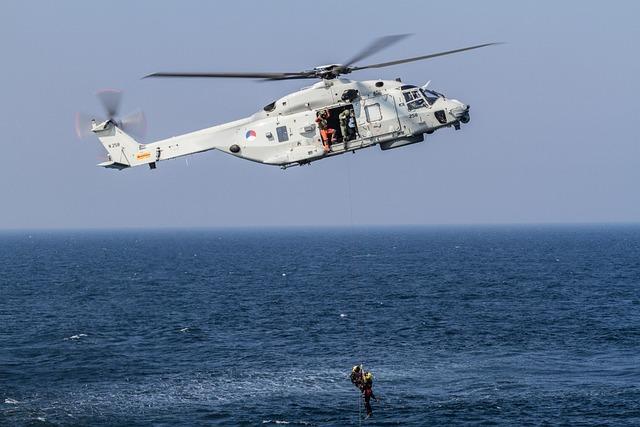
A Maldivian military diver tragically lost his life while participating in a search operation for four Italian divers who went missing inside a complex underwater cave system, authorities confirmed. The Italian divers were reported missing after exploring the perilous cave network, prompting a joint rescue effort that turned deadly. Officials continue to coordinate search and recovery efforts amid growing concerns over the safety of cave diving in the region.
Maldives Military Diver Loses Life in Risky Underwater Cave Search
A tragic incident unfolded as a Maldives military diver lost his life during a perilous underwater operation aimed at locating four Italian divers reported missing inside a complex cave system. The rescue effort, hampered by the labyrinthine nature of the submerged tunnels and poor visibility, pushed the limits of underwater search protocols and highlighted the extreme dangers divers face in such environments. Authorities confirmed that despite rigorous preparations and the deployment of specialized equipment, the diver succumbed to the harsh conditions while bravely attempting to extend the search.
The ongoing search operation faces numerous challenges:
- Unpredictable currents within the narrow passages complicate navigation.
- Limited air supply
- Restrictive cave morphology
Officials emphasized that the loss is a solemn reminder of the inherent risks involved in underwater search and rescue missions, especially when confronting submerged cave systems. Efforts continue with heightened caution and the support of international experts, focusing on ensuring the safety of all personnel involved while striving to bring closure to the families awaiting news of the missing divers.
Challenges and Hazards Faced by Divers in Complex Subaquatic Environments
Diving in intricate underwater cave systems presents some of the most daunting challenges in the realm of subaquatic exploration. Divers must navigate through pitch-black passages where natural light never penetrates, relying solely on artificial lighting that can fail at any moment. Limited visibility and the maze-like structure of caves heighten the risk of disorientation, leaving divers vulnerable to becoming lost even with advanced mapping technologies. Moreover, the physical constraints of narrow tunnels place extreme demands on flexibility and equipment management, forcing divers to maneuver carefully to avoid disturbing sediment that can further reduce visibility.
Beyond these physical and environmental hurdles, there are significant physiological dangers to contend with. The complex interplay of pressure changes and confined spaces increases the likelihood of decompression sickness, while the prolonged exposure to cold water strains the body’s endurance. Communication barriers underwater compound these risks; divers cannot speak and must depend on hand signals or tethered lines, which may become entangled or severed. The presence of hazardous currents and unstable rock formations can trigger sudden cave-ins or swift underwater surges, underscoring the perilous uncertainty faced by military and rescue divers operating in these forbidding conditions.
Recommendations for Improving Safety Protocols in Underwater Rescue Missions
Enhancing the safety measures in underwater rescue operations is paramount to preventing tragedies similar to recent incidents. Emphasizing advanced training programs tailored specifically for cave diving scenarios can equip divers with the crucial skills needed to navigate confined and complex underwater spaces. Additionally, integrating state-of-the-art technology such as real-time location tracking and improved communication devices can bridge critical gaps during rescue missions, ensuring that teams maintain effective contact even in the most challenging environments.
Operational protocols must also stress the importance of comprehensive risk assessments before deployment. This includes:
- Thorough environmental analysis of cave systems to identify potential hazards.
- Establishing strict limits on dive duration and depth to mitigate physical and psychological strain on rescue divers.
- Implementing mandatory buddy systems and pre-planned emergency extraction routes.
- Ensuring that all equipment undergo rigorous checks and redundancies are in place.
Such measures, combined with continuous evaluation and adaptation of safety standards, are critical to minimizing risks and safeguarding the lives of those who undertake these perilous rescue efforts.
Wrapping Up
The tragic loss of the Maldives military diver underscores the immense risks faced by rescue teams in underwater cave operations. Authorities continue their efforts to locate the four missing Italian divers, while offering support to the families affected by this devastating incident. The search remains ongoing as experts emphasize the challenges posed by the complex underwater cave system. Further updates are expected as the situation develops.