
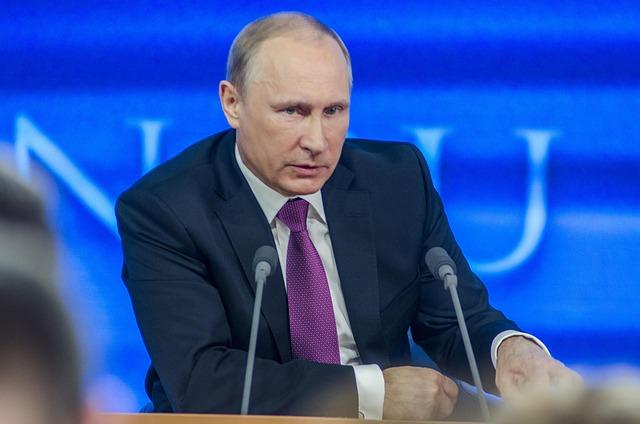
Russian President Vladimir Putin is set to visit Beijing this week, marking a significant moment in the evolving dynamics of global geopolitics. As ties between Moscow and Beijing deepen amid mounting tensions with the West, the summit underscores both leaders’ shared interests and strategic calculations. This high-profile visit comes at a time when Russia seeks closer economic and diplomatic alignment with China, highlighting the shifting balance of international power in the face of mounting challenges from the United States and its allies.
Putin’s Beijing Visit Signals Deepening Russia-China Strategic Partnership
Vladimir Putin’s arrival in Beijing marks a significant moment in the evolving dynamics of global power. Against the backdrop of increasing geopolitical tensions with the West, the Russian president’s visit underscores a mutual desire to strengthen ties with China, reflecting an era of heightened cooperation between the two nations. Key discussions are expected to revolve around expanding economic partnerships, enhancing military coordination, and aligning their foreign policy objectives-moving beyond mere symbolism to cement a robust, strategic alliance. This renewed focus on collaboration is viewed as a direct response to Western sanctions and diplomatic pressures, making the Sino-Russian relationship a pivotal axis in 21st-century geopolitics.
Key aspects of the visit include:
- Energy agreements: Deepening oil and gas trade to secure long-term supplies for China and bolster Russia’s economy amid Western restrictions.
- Military cooperation: Joint exercises and technology sharing aimed at enhancing defense capabilities and signaling deterrence against external threats.
- Infrastructure investments: Collaborations under China’s Belt and Road Initiative, boosting connectivity and economic integration across Eurasia.
The symbolism of Putin’s presence in Beijing extends beyond bilateral relations, sending a clear message to the international community: Russia and China are committed to shaping a new global order, challenging the dominance of Western powers through strategic partnership and coordinated action.
Economic and Military Implications for the Global Balance of Power
The evolving partnership between Moscow and Beijing is reshaping the global strategic landscape, with economic and military dimensions that resonate far beyond Eurasia. Economically, both nations are expanding collaborative ventures in energy, technology, and infrastructure, signaling a deliberate pivot away from Western-dominated financial systems. This collaboration not only bolsters their mutual resilience against sanctions and economic pressure but also lays the groundwork for alternative trade and investment networks. Key developments include:
- Joint energy projects harnessing Siberian oil and Central Asian natural gas fields to fuel China’s growing demand
- Investment in advanced technologies, including telecommunications and artificial intelligence, challenging Western innovation leadership
- Increased use of national currencies in bilateral trade to circumvent U.S. dollar dominance
On the military front, the deepening Russia-China axis introduces a formidable counterbalance to NATO and U.S. influence. Joint exercises and intelligence-sharing protocols reflect not only interoperability but also a strategic messaging to other global actors. The alliance is investing in next-generation defense technology and missile systems, alerting neighbors and allies to a reconfigured security paradigm. Elements underscoring this shift encompass:
- Enhanced naval collaboration in the South China Sea and Arctic routes
- Combined missile defense drills showcasing integrated operational capabilities
- Strategic coordination on cybersecurity and space defense initiatives
Policy Recommendations for Western Engagement and Diplomacy
In the face of Russia’s growing pivot towards Beijing, Western policymakers must recalibrate their approach to avoid strategic isolation and maintain leverage on the international stage. Engagement with China and Russia cannot be dismissed but requires nuanced diplomacy that balances deterrence with dialogue. This includes expanding forums for multilateral discussion where contentious issues like cybersecurity, trade, and regional security can be addressed without escalating tensions. Moreover, the West should strengthen its alliances, particularly within NATO and with Indo-Pacific partners, to present a unified front that discourages unilateral actions detrimental to global stability.
Pragmatism must guide Western strategies, underpinned by targeted sanctions that minimize collateral damage while signaling clear consequences for aggressive behavior. Additionally, enhancing cultural and academic exchanges will open channels for soft power influence essential to long-term relationship-building. The West should also invest in intelligence-sharing initiatives and joint technological development to counterbalance the Sino-Russian entente’s ambitions in areas such as artificial intelligence and military modernization. Ultimately, a comprehensive approach combining pressure and partnership will be key to navigating the evolving geopolitical landscape shaped by Putin’s outreach to Beijing.
To Wrap It Up
As Vladimir Putin prepares to visit Beijing, the meeting between the two leaders underscores a pivotal moment in global diplomacy. With tensions rising on multiple fronts, their discussions are set to further define the contours of the Russia-China partnership and its implications for international relations. Observers will be watching closely to see how this summit influences the balance of power amid an increasingly complex geopolitical landscape.