
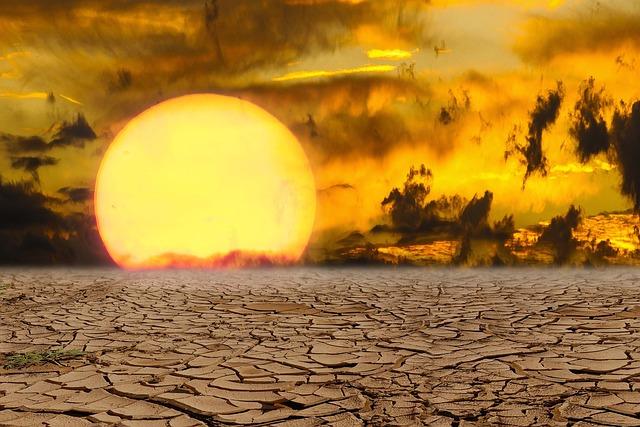
An extraordinary heatwave sweeping across the United Kingdom this May is on track to shatter temperature records dating back to 1944, meteorologists warn. Unprecedented soaring temperatures have gripped the nation, prompting concerns over public health, infrastructure strain, and climate implications. As communities brace for continued intense heat, experts emphasize the urgency of understanding and adapting to these increasingly frequent extreme weather events.
Unprecedented May Heatwave Pushes UK Temperatures to Historic Highs
As temperatures soared well beyond seasonal norms, meteorological experts confirmed that this May is on track to be one of the hottest in UK history. The blistering heatwave shattered long-standing records, rivaling the highest temperatures ever recorded in the country, which date back to 1944. Regions across England, Wales, and parts of Scotland reported daily highs exceeding 30°C, with some southern locations flirting with the 35°C mark for the first time this early in the year. The extreme heat has triggered widespread concern over public health, agriculture, and energy demand as communities grapple with unprecedented conditions.
Authorities and weather agencies have issued multiple advisories emphasizing:
- Staying hydrated and avoiding prolonged sun exposure during peak hours
- Monitoring vulnerable populations such as the elderly and young children
- Implementing water usage restrictions to cope with emerging shortages
- Preparing for increased strain on infrastructure, particularly transport and healthcare services
Scientists warn that this May heatwave may be a precursor to an intensifying trend in British climate patterns, urging immediate attention to mitigate long-term environmental and societal impacts.
Analyzing the Impact of Record-Breaking Heat on Public Health and Infrastructure
The recent surge in temperatures across the United Kingdom has had a profound impact on both public health systems and critical infrastructure. Hospitals have reported an influx of heatstroke-related cases, particularly among vulnerable populations such as the elderly and children. Emergency services are stretched thin as the unprecedented heat exacerbates pre-existing medical conditions, including respiratory and cardiovascular diseases. Authorities have issued multiple heat warnings, urging citizens to stay hydrated and limit outdoor activities during peak hours. Additionally, mental health hotlines have seen a spike in calls related to heat-induced anxiety and sleep disturbances.
Infrastructure across the country is also under significant strain. Roads are buckling under extreme temperatures, causing travel disruptions and posing safety risks. Energy grids face unprecedented demand as air conditioning usage soars, pushing the limits of supply chains and raising concerns over potential blackouts. Water distribution networks grapple with increased consumption, stirring fears of shortages in some regions. Action plans now emphasize:
- Strengthening emergency response protocols to handle health crises linked to heatwaves.
- Investing in climate-resilient infrastructure to withstand rising temperatures.
- Enhancing public awareness campaigns to mitigate health risks and encourage adaptive behaviors.
Urgent Recommendations for Community Preparedness and Climate Adaptation Strategies
As temperatures soar to levels unseen since 1944, communities across the United Kingdom face an urgent call to enhance their preparedness against escalating heatwaves. Experts emphasize the necessity for immediate action to safeguard public health and critical infrastructure. Local authorities must prioritize the establishment of cooling centers, expand public awareness campaigns on heat-related health risks, and improve emergency response protocols tailored to vulnerable populations, including the elderly and those with pre-existing conditions.
In parallel, climate adaptation strategies must transition from long-term concepts to actionable frameworks. This includes integrating sustainable urban planning measures such as increasing green spaces and implementing heat-resilient building designs. Key recommendations include:
- Investing in early warning systems that provide timely alerts to residents.
- Enhancing water resource management to address drought risks linked to prolonged heat.
- Collaborating with healthcare providers to monitor and respond to heat-related illnesses more effectively.
- Embedding climate resilience in local policies to ensure sustained community protection.
In Retrospect
As the United Kingdom grapples with soaring temperatures this May, meteorologists and climate experts continue to monitor the unfolding heatwave that threatens to break records dating back to 1944. With rising concerns over the implications of such extreme weather patterns, authorities urge the public to stay informed and take necessary precautions. This unprecedented event serves as a stark reminder of the increasing volatility of the climate and the urgent need for adaptive measures moving forward. Stay tuned to streamlinefeed.co.ke for ongoing updates and expert analyses on this developing story.