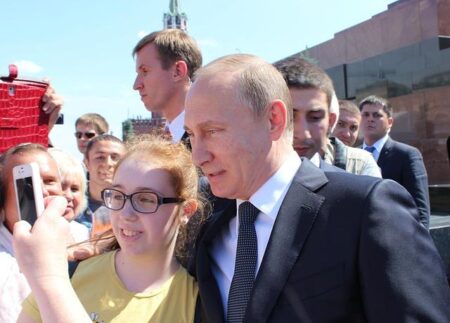
In a recent high-level exchange, Chinese President Xi Jinping reportedly warned then-U.S. President Donald Trump that Russian President Vladimir Putin might “regret” his decision to invade Ukraine. The Financial Times reveals insights into this candid conversation, shedding new light on China’s position amid escalating tensions in Eastern Europe. The discussion underscores the complex diplomatic dynamics as global powers grapple with the fallout from the conflict.
Xi Jinping Warns Donald Trump on Potential Backlash from Putin’s Ukraine Invasion
In a recent conversation, Xi Jinping cautioned former U.S. President Donald Trump about the unforeseen consequences that might arise from Vladimir Putin’s decision to invade Ukraine. Highlighting the complex geopolitical dynamics, Xi emphasized that the move could backfire on Russia, potentially destabilizing the region and triggering economic and political repercussions on a global scale. His remarks underscore China’s nuanced stance, signaling concern over escalating tensions without overtly condemning the invasion.
Key points from Xi’s warning include:
- The possibility of Putin “regretting” the military aggression as international backlash intensifies.
- Emphasis on diplomatic engagement to avoid further escalation in Eastern Europe.
- Recognition of the delicate balance between power politics and global stability.
Implications of China’s Cautionary Message for Global Diplomacy and Security
China’s cautious stance amid the Ukraine conflict signals a nuanced recalibration in its approach to global diplomacy. By conveying concerns directly to former U.S. President Donald Trump about potential regrets from Vladimir Putin’s actions, Beijing is subtly positioning itself as a pragmatic actor aware of the high stakes involved. This message underscores China’s intent to balance its strategic partnership with Russia while avoiding overt endorsement of aggression that could destabilize the international order. The implications for global diplomacy are profound: China appears determined to maintain a role as a broker and influencer, emphasizing dialogue over confrontation, even as it navigates complex alliances.
Moreover, this measured approach reflects China’s broader security priorities, illustrating a desire to mitigate risks that might spill beyond Ukraine’s borders and affect regional and global stability. Among the possible consequences are:
- Heightened diplomatic engagement: China may increase efforts to mediate tensions, leveraging its unique position between East and West.
- Strategic ambiguity: Maintaining flexibility in its commitments without alienating any key partners.
- Focus on multilateral frameworks: Advocating for conflict resolution through international institutions to preserve global order.
In this context, China’s cautionary message serves as both a warning and an invitation-to reconsider impulsive actions and to pursue more sustainable, peaceful diplomatic practices worldwide.
Strategic Recommendations for US Policy Amid Shifting Sino-Russian Dynamics
In light of recent revelations about Xi Jinping’s candid reflections to Donald Trump regarding Vladimir Putin’s calculus on Ukraine, it is imperative for the United States to recalibrate its diplomatic and strategic posture. Washington must recognize the nuanced tensions simmering beneath the veneer of Sino-Russian camaraderie, which could present opportunities to subtly influence Beijing’s stance without escalating confrontations. Maintaining a robust yet flexible framework for engagement with China, alongside reinforcing commitments to NATO allies and regional partners, will be crucial in managing the evolving power dynamics.
Key policy considerations include:
- Enhancing intelligence-sharing mechanisms to monitor shifts in China-Russia coordination and potential discord.
- Expanding economic tools that leverage China’s interests without provoking retaliatory measures that could deepen Sino-Russian ties.
- Strengthening diplomatic channels that encourage Beijing to advocate for de-escalation in Ukraine, using multilateral forums to build consensus.
- Investing in resilience programs within Eastern Europe and the Indo-Pacific to deter opportunistic aggression.
In Summary
The exchange between Xi Jinping and Donald Trump, as reported by the Financial Times, sheds new light on the complex geopolitical calculations surrounding the Ukraine conflict. It underscores the growing tensions and the nuanced perspectives held by world leaders in the face of Russia’s invasion. As the situation continues to evolve, the international community remains watchful, with the remarks highlighting the persistent uncertainty and potential ramifications for global stability.