
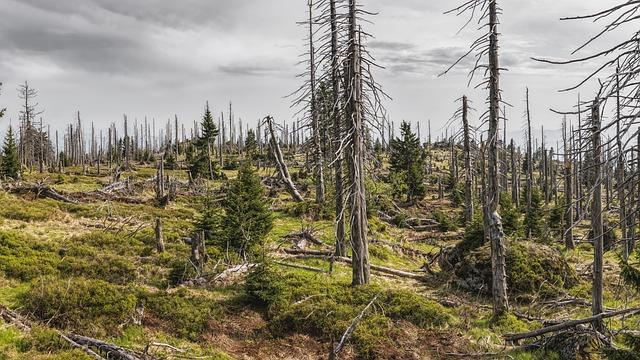
Environmental lawsuits are putting US$2.8 billion worth of mining projects in Brazil at significant risk, according to recent reports from BNamericas. The legal challenges, driven by concerns over ecological impacts and indigenous rights, underscore the mounting tensions between economic development and environmental preservation in one of the world’s largest mining hubs. As these disputes unfold, stakeholders from government, industry, and civil society are closely watching the potential ramifications for Brazil’s mining sector and the broader economy.
Environmental Legal Challenges Cast Doubt on Major Brazilian Mining Investments
Several significant mining ventures in Brazil, collectively valued at approximately US$2.8 billion, now face precarious futures due to mounting environmental litigation. These lawsuits, filed by environmental groups and indigenous communities, challenge the projects’ adherence to federal environmental regulations and insist on stricter impact assessments. Key areas of contention include potential deforestation, water resource depletion, and threats to biodiversity, prompting courts to reconsider previously granted permits. The growing judicial scrutiny has already led to project delays and pauses in operations, raising concerns among investors and industry stakeholders about the viability of these large-scale undertakings.
The affected projects span multiple states, each with unique ecological sensitivities and regulatory complexities. Critics highlight that the ongoing legal disputes underscore Brazil’s evolving environmental governance landscape, where enforcement has become increasingly stringent. Among the key demands from plaintiffs are:
- Comprehensive environmental impact reassessments
- Greater consultation with indigenous populations
- Tighter controls on waste management and pollution
- Enhanced monitoring of deforestation rates
Mining companies are reportedly re-evaluating their strategies, anticipating extended legal battles that could reshape project scopes or prompt cancellations. As the judiciary balances economic ambitions with ecological preservation, the ultimate outcomes could set precedents impacting Brazil’s natural resource sector for years to come.
Implications for Brazil’s Mining Sector and Foreign Investment Climate
The rising tide of environmental lawsuits casts a long shadow over Brazil’s mining industry, challenging the sector’s growth trajectory and operational stability. Key projects, collectively valued at US$2.8 billion, face significant delays as legal disputes over ecological compliance intensify. This judicial scrutiny not only disrupts project timelines but also raises concerns about the adequacy of environmental oversight mechanisms currently in place. For mining companies, the increasing litigation risk demands more robust environmental management and greater transparency to mitigate future legal battles.
Foreign investors are growing increasingly cautious amid this climate of uncertainty. Brazil’s allure as a mineral-rich destination is now tempered by fears of prolonged legal entanglements and unpredictable regulatory environments. The following factors are becoming pivotal considerations for stakeholders evaluating investment prospects:
- Enhanced environmental accountability: Investors are pushing for stricter adherence to environmental standards to minimize legal and reputational risks.
- Policy stability concerns: Frequent regulatory changes and legal challenges undermine confidence in the sector’s governance.
- Demand for community engagement: Emphasis on social license to operate is intensifying as local communities gain a louder voice in project approvals.
Consequently, Brazil’s mining sector faces a crucial inflection point where aligning economic ambitions with sustainable practices and clear regulatory frameworks will be essential to attracting and maintaining foreign investment.
Strategies for Navigating Regulatory Risks and Strengthening Environmental Compliance
Mining enterprises operating in Brazil must prioritize a proactive approach to regulatory compliance to mitigate the growing threat of environmental litigation. Establishing comprehensive monitoring systems that track adherence to local and international environmental standards is essential. This includes investing in advanced technologies such as real-time environmental impact sensors and AI-driven risk assessment tools, enabling companies to detect violations before they escalate. Furthermore, fostering transparent communication channels with regulatory bodies and local communities can preempt conflicts by addressing concerns promptly and collaboratively.
Integrating sustainability into core operational strategies serves not only to comply with legal mandates but to build long-term resilience against lawsuits. Companies should consider:
- Conducting regular environmental audits with third-party experts to identify potential vulnerabilities.
- Implementing robust waste management and restoration practices to minimize ecological footprints.
- Training employees at all levels on environmental policies and risk mitigation techniques.
By adopting these practices, mining projects can transform regulatory risks into opportunities for innovation and leadership in environmental stewardship.
Concluding Remarks
As environmental lawsuits continue to challenge mining operations in Brazil, the fate of US$2.8 billion worth of projects remains uncertain. Stakeholders across the industry and government are closely monitoring these legal developments, which underscore the growing tension between economic interests and environmental protection. The outcome of these cases could set significant precedents for Brazil’s mining sector and its approach to sustainable development in the years ahead.