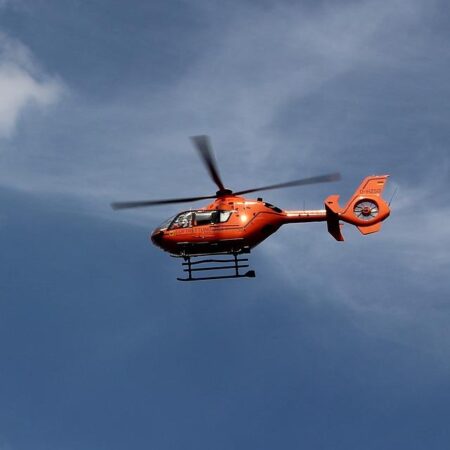
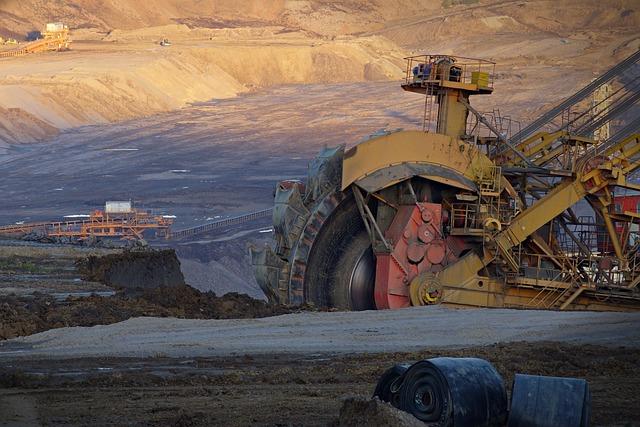
At least 90 miners have died in China’s deadliest coal mine disaster in more than 16 years, according to official reports. The tragedy struck a coal mine in the northern province of Shanxi, highlighting ongoing safety challenges within the country’s vast mining industry. Rescue operations are underway as authorities investigate the cause of the accident, which marks a grim reminder of the risks faced by workers in one of China’s most vital yet hazardous sectors.
China’s Deadly Coal Mine Blast Exposes Deep-Rooted Safety Failures
The recent explosion at a coal mine in China has tragically claimed the lives of at least 90 workers, marking the deadliest mining accident the country has faced in over 16 years. Preliminary investigations suggest that the blast was triggered by a sudden accumulation of methane gas, a hazard miners and safety inspectors have long warned about. This disaster not only underscores the inherent risks of coal mining but also highlights significant lapses in safety protocols that have persisted despite repeated government crackdowns and reforms aimed at preventing such catastrophes.
Experts and watchdog groups emphasize that the incident sheds light on systemic issues, including:
- Inadequate safety training and emergency response measures at many mining operations.
- Pressure to meet production targets often leads to overlooked safety checks and equipment failures.
- Outdated infrastructure and poorly maintained ventilation systems that increase the risk of deadly gas buildups.
As families and communities mourn their losses, calls are intensifying for stricter enforcement of regulations and a comprehensive overhaul of mining safety standards to prevent such a catastrophic event from recurring.
Government Response and Rescue Efforts Under Scrutiny Amid Public Outcry
Following the tragic explosion, authorities have faced increasing pressure to provide transparency on the rescue operations and the measures taken to prevent such disasters. Local government officials asserted that they had mobilized over 300 rescue workers equipped with specialized gear to retrieve survivors and recover bodies swiftly. However, relatives of the trapped miners and residents in nearby communities voiced frustration over the perceived slowness and lack of communication, demanding more frequent updates and greater accountability. International observers also highlighted the need for improved safety protocols in the coal mining sector, citing chronic regulatory lapses as a contributing factor.
In response to mounting criticism, the provincial government announced the initiation of an independent investigation into the incident, pledging to:
- Identify lapses in safety enforcement
- Hold negligent parties responsible
- Implement stricter oversight mechanisms
Despite these assurances, skepticism remains high among families of the deceased. Many are calling for broader systemic reforms and compensation packages to support those affected by the nation’s deadliest mining calamity in over a decade and a half.
Urgent Calls for Stricter Mining Regulations and Enhanced Worker Protections
The devastating incident has reignited intense debates over the adequacy of current mining regulations. Experts and activists alike argue that existing safety measures are insufficient to prevent such catastrophic events. There are growing demands for the government to implement stricter safety protocols, rigorous inspections, and accountability mechanisms to protect vulnerable workers operating in hazardous environments. Without immediate and decisive policy changes, this tragedy may sadly not be the last.
Calls from labor unions and human rights organizations emphasize the urgent need for enhanced worker protections, including:
- Comprehensive health and safety training tailored to mine workers
- Mandatory installation of advanced monitoring and emergency response systems
- Improved access to medical care and accident insurance
- Stronger enforcement of legal consequences for negligent operators
These measures are seen as critical steps toward fostering a safer working environment in China’s coal industry, a sector long plagued by hazardous conditions and preventable fatalities. The recent disaster serves as a stark reminder of the human cost of inadequate oversight and the pressing need for systemic reform.
Closing Remarks
The deadly incident marks the most severe coal mining tragedy in China in over 16 years, underscoring the ongoing risks faced by workers in the country’s vast mining industry. Authorities have launched an investigation into the cause of the disaster while emergency teams continue rescue and recovery efforts. As the nation mourns the loss, questions remain about safety standards and regulatory oversight in one of the world’s largest coal producers. Further updates are expected as officials provide more information on the incident and its aftermath.