
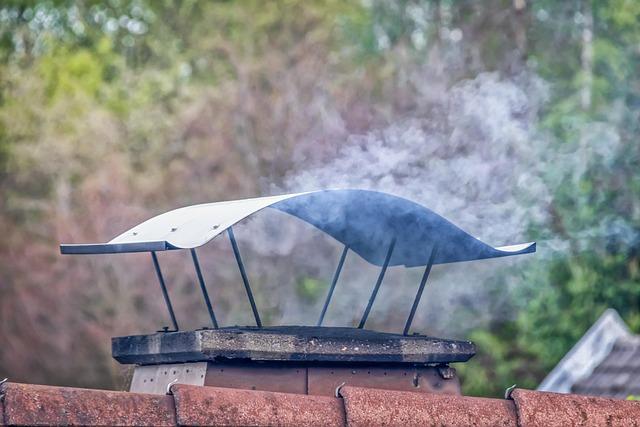
Washington County is currently under close scrutiny as concerns about local air quality rise among residents and environmental experts alike. According to recent data from IQAir, a leading global air quality monitoring platform, the region has experienced fluctuating pollution levels influenced by seasonal changes, traffic density, and industrial activities. This article delves into the latest air quality findings in Washington County, examining the factors driving these trends and their potential impact on public health and local policy initiatives.
Air Quality Trends and Current Conditions in Washington County
Washington County has witnessed fluctuating air quality levels over the past year, influenced by seasonal changes and local industrial activities. Recent data from IQAir indicates a gradual improvement during the spring months, attributed to increased rainfall and lower emissions from heating systems. However, spikes in particulate matter (PM2.5) have occurred during dry, windy days, occasionally pushing the air quality index into the “unhealthy for sensitive groups” category. Residents are advised to stay informed through real-time monitoring, especially during wildfire seasons when smoke can significantly degrade air standards.
Key factors shaping air quality include:
- Vehicle emissions in urban centers
- Agricultural burning practices
- Industrial output from manufacturing zones
- Meteorological patterns such as wind and precipitation
Continued collaboration between local authorities and environmental agencies is essential to maintain progress and address pollution sources effectively. Public health messaging remains a priority, with IQAir’s live feed providing crucial updates that empower community members to make safer daily choices.
Impact of Pollution Sources on Local Air Quality
Washington County’s air quality is increasingly influenced by a mixture of both urban and industrial pollution sources. Key contributors include vehicle emissions from the county’s busy highways and densely populated areas, which release significant amounts of nitrogen oxides (NOx) and particulate matter (PM2.5). Industrial facilities, particularly those involved in manufacturing and energy production, also discharge pollutants that elevate local concentrations of sulfur dioxide (SO2) and volatile organic compounds (VOCs). Seasonal agricultural activities further exacerbate the situation by introducing ammonia and dust particles into the atmosphere, especially during harvesting periods.
Efforts to monitor and mitigate these pollutants face challenges due to the diverse origins and fluctuating emission rates. Among the most critical sources are:
- Transportation emissions: Passenger vehicles, freight trucks, and public transit contribute heavily to local smog formation.
- Industrial outputs: Factories and power plants produce a range of airborne contaminants affecting nearby communities.
- Agricultural practices: Use of fertilizers and soil disturbance release ammonia and particulate matter.
- Residential activities: Wood burning and household heating can significantly impact air quality during colder months.
Understanding the dynamic interplay of these pollution sources remains crucial for implementing effective air quality strategies in Washington County.
Effective Strategies for Residents to Improve Air Quality
Residents can play a pivotal role in enhancing the air quality in Washington County by adopting simple yet impactful practices. Reducing vehicle emissions by opting for carpooling, public transportation, or electric vehicles can significantly lower the amount of harmful pollutants released into the atmosphere. Additionally, cutting down on the use of wood-burning stoves and grills, especially during high pollution days, helps reduce airborne particulate matter. Inside homes, the regular maintenance of HVAC systems and the use of air purifiers equipped with HEPA filters effectively trap pollutants and allergens, leading to cleaner indoor air.
Community involvement also amplifies the effectiveness of these efforts. Participating in local tree-planting initiatives and supporting green spaces contributes to natural air filtration, which benefits the entire region. Residents are encouraged to stay informed about air quality forecasts through platforms like IQAir and to minimize outdoor activities on days when pollution levels spike. By collectively embracing these actions, Washington County can stride towards a healthier environment and breathe easier in the years ahead.
- Carpool or use public transit to reduce traffic emissions.
- Limit wood-burning appliances during poor air quality periods.
- Maintain HVAC systems and utilize HEPA air purifiers indoors.
- Engage in local environmental programs like tree planting.
- Monitor air quality updates to plan outdoor activities wisely.
Final Thoughts
In conclusion, ongoing monitoring and public awareness remain crucial as Washington County navigates air quality challenges. Data from IQAir underscores the need for continued efforts to reduce pollution and protect residents’ health. As environmental conditions evolve, keeping a close watch on air quality will be essential to ensuring a safer, cleaner future for the community.