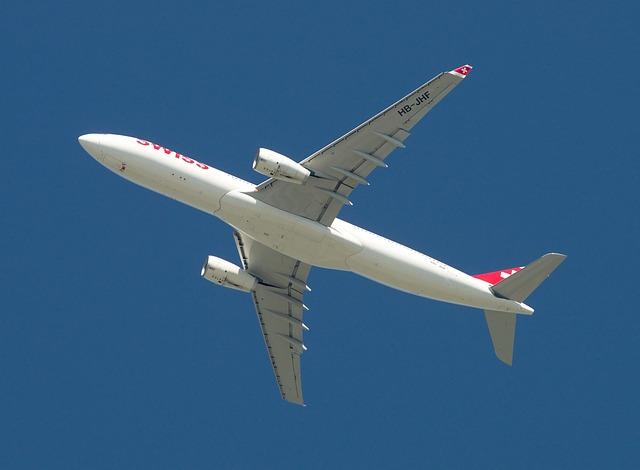
Italy is undertaking a significant upgrade to its air refueling capabilities by transitioning to Airbus A330 tanker aircraft, marking a major strategic realignment within NATO. This move, announced recently, underscores Italy’s commitment to enhancing interoperability with allied forces and modernizing its military fleet. The adoption of the A330 tankers not only boosts operational efficiency but also signals Rome’s intention to strengthen its role within the NATO alliance amid evolving defense challenges.
Italy Embraces Airbus A330 Tankers to Bolster NATO Air Refueling Capabilities
Italy’s strategic decision to adopt the Airbus A330 Multi Role Tanker Transport (MRTT) marks a significant enhancement in its air refueling capabilities, aligning closely with NATO’s operational priorities. The new fleet is set to replace older aircraft, providing extended range, increased fuel capacity, and advanced refueling technology. This upgrade will not only improve Italy’s ability to sustain long-range deployments but also reinforce the collective airpower logistics within the alliance, ensuring readiness in diverse mission scenarios.
The transition underscores Italy’s commitment to interoperability and modernization within NATO forces. Key benefits of the Airbus A330 MRTT include:
- Enhanced in-flight refueling efficiency for various NATO aircraft types
- Dual role capabilities, supporting both tanker and troop/cargo transport missions
- Extended operational range and improved fuel offload capacity
- Modern avionics and defensive systems for increased survivability
By integrating these state-of-the-art tankers, Italy not only boosts its national defense infrastructure but also significantly strengthens NATO’s rapid response and sustained air operations across Europe and beyond.
Strategic Impact of Italy’s Shift on NATO’s Rapid Response and Operational Flexibility
The Italian Air Force’s transition to the Airbus A330 Multi Role Tanker Transport (MRTT) marks a significant enhancement in NATO’s aerial refueling capabilities, directly boosting the alliance’s rapid response potential. With the introduction of these state-of-the-art tankers, Italy not only modernizes its fleet but also aligns closely with other NATO members utilizing similar platforms, fostering greater interoperability across multinational operations. This commonality enables smoother coordination during joint missions, ensuring that fuel supply and air mobility can be executed with heightened precision and efficiency.
Key operational benefits include:
- Extended range and endurance for fighter jets and surveillance aircraft, allowing longer deployments without the need for frequent landings.
- Increased flexibility in in-theater logistics through scalable refueling capacity and multi-role functionality, supporting both transport and medical evacuation missions.
- Improved response times to emerging threats or crisis zones, as the A330 MRTT’s advanced systems facilitate quicker turnaround and mission adaptability.
Recommendations for Enhancing Integration and Interoperability Within NATO Air Forces
To foster stronger integration among NATO air forces, prioritizing standardized communication protocols across platforms is essential. This move will streamline joint operations and reduce potential technical disparities during multinational exercises or real-world missions. Investment in cross-training personnel on allied air systems can also enhance operational cohesion, ensuring crews are adept at maneuvering various equipment configurations while maintaining interoperability standards.
Key strategies include:
- Adopting unified data-sharing frameworks to facilitate real-time situational awareness.
- Encouraging collaborative development projects aimed at compatible upgrades.
- Establishing joint maintenance and logistics hubs to optimize resource allocation.
- Conducting regular NATO-wide interoperability drills focusing on tanker and refueling operations.
Key Takeaways
Italy’s transition to the Airbus A330 tanker marks a significant development in its military aviation capabilities and a clear signal of deeper integration within NATO’s strategic framework. As Rome modernizes its fleet, the move not only enhances operational readiness but also strengthens interoperability with allied forces. This shift underscores Italy’s commitment to collective defense and highlights the evolving dynamics of European air power in an increasingly complex security environment. Euronews will continue to monitor the implications of this major NATO-aligned shift in Italy’s defense posture.