
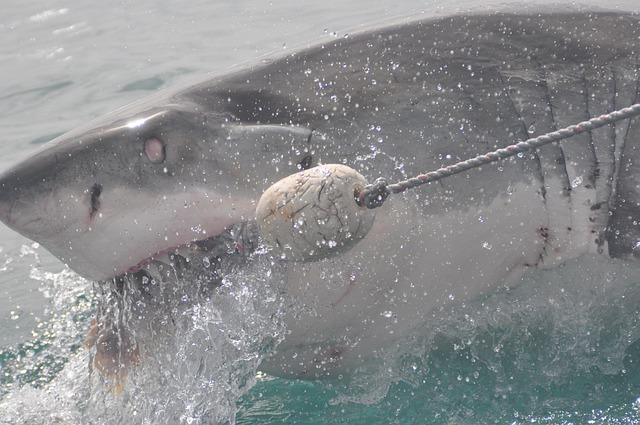
Australia has been shaken by a second fatal shark attack in just over a week, underscoring ongoing concerns about marine safety along the nation’s coastline. The latest incident, which tragically claimed the life of a beachgoer, has prompted renewed calls for heightened vigilance and safety measures in popular swimming areas. Authorities are investigating the circumstances surrounding the attack as communities across Australia grapple with the dangers posed by these apex predators.
Recent Shark Attacks Raise Alarms on Australian Beaches
Over the past week, Australian coastal communities have been shaken by a series of shark attacks resulting in multiple fatalities. The latest incident, marking the second deadly encounter in just over seven days, occurred off the shores of New South Wales, prompting authorities to escalate safety measures and issue urgent warnings to beachgoers. Local officials have emphasized the need for heightened vigilance, especially during dawn and dusk when shark activity tends to peak.
Key developments include:
- Increased aerial patrols and deployment of shark-spotting drones along high-risk beaches.
- Temporary closures of several popular swimming spots in affected regions.
- Community workshops educating the public on shark safety and emergency response protocols.
- Calls from marine experts for further research into shark behaviors influenced by changing ocean conditions.
Experts Analyze Factors Behind Increased Shark Activity
Marine biologists and environmental experts attribute the recent surge in shark encounters along Australian coastlines to a combination of ecological and human factors. Changes in ocean temperatures have shifted migratory patterns of prey species, drawing sharks closer to shorelines in search of food. Additionally, the increased presence of seal colonies and fish populations near popular beaches has created hotspots that attract sharks, elevating the risk of interactions with swimmers and surfers.
Other factors being examined include heightened human activity in marine environments and alterations in fishing practices that disrupt local ecosystems. Experts emphasize the importance of:
- Enhanced monitoring of shark movements using tagging and tracking technology.
- Public awareness campaigns to educate beachgoers on safe practices during peak shark activity times.
- Research into eco-friendly deterrents to reduce close encounters while preserving marine biodiversity.
Safety Measures Urged for Swimmers and Surfers Amid Rising Risks
Authorities across Australia have intensified warnings for beachgoers following the recent fatal shark incidents. Officials emphasize the importance of adhering to safety protocols to minimize risks. Swimmers and surfers are strongly advised to avoid dawn and dusk ocean activities, as these times see heightened shark movement. Additionally, staying close to shore and within designated swimming zones equipped with shark nets can significantly reduce potential encounters.
Key safety tips include:
- Avoiding shiny jewelry or bright clothing that can attract sharks.
- Refraining from entering the water when bleeding or after heavy rain, as sharks are drawn to blood and murky water.
- Heeding all local warnings and signage about recent shark sightings or incidents.
Local councils and surf lifesaving organizations are also increasing patrols and surveillance to ensure public safety. The recent spate of attacks has prompted calls for improved real-time monitoring systems and community education initiatives to better prepare and protect those enjoying Australia’s coastal waters.
To Conclude
As Australia mourns the loss of its second victim to a fatal shark attack in just over a week, authorities continue to urge caution while coastal communities grapple with renewed fears. Officials are reviewing safety measures and monitoring shark activity closely to prevent further tragedies. The incidents serve as a stark reminder of the unpredictable nature of marine wildlife and the need for ongoing vigilance along Australia’s shores.