
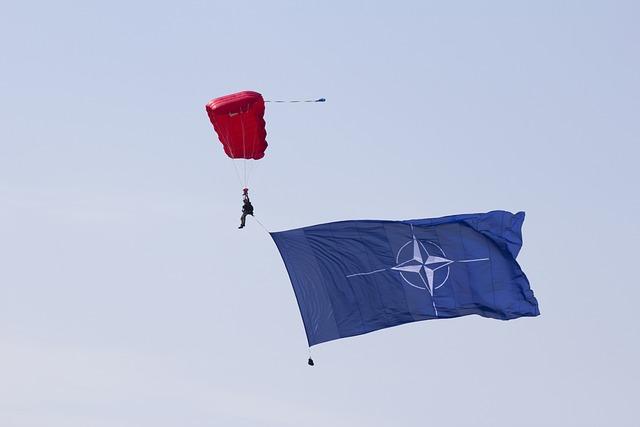
NATO member states have strongly condemned Russia following the recent crash of a drone in Romanian territory, an incident that has escalated tensions in Eastern Europe. The unmanned aerial vehicle, reportedly of Russian origin, violated Romanian airspace before going down, prompting swift responses from NATO officials who denounced the act as a breach of sovereignty and international law. This development comes amid heightened security concerns in the region, with the alliance reiterating its commitment to collective defense and regional stability.
NATO States Condemn Russia Over Drone Incident in Romanian Airspace
In a swift and unified response, NATO member countries expressed strong condemnation following the unauthorized drone incursion that occurred in Romanian airspace. Officials characterized the incident as a blatant violation of international norms and a serious threat to regional security. While investigations into the drone’s origin and intent continue, allied defense ministers emphasized the imperative of preserving territorial sovereignty and called for increased vigilance along NATO’s eastern borders.
The following measures have been proposed or enacted by NATO states in light of the incident:
- Enhanced aerial surveillance and intelligence sharing among member nations to prevent further airspace breaches.
- Heightened military readiness including deployment of additional air defense systems in vulnerable regions.
- Diplomatic pressure leveraging international forums to hold Russia accountable for provocative actions.
- Support for Romania through increased joint training exercises and strategic cooperation.
These steps underline NATO’s commitment to collective defense and stability across Europe amid rising tensions with Russia.
Implications for Regional Security and NATO’s Strategic Response
The recent drone incident in Romanian airspace has sent shockwaves throughout the region, underscoring the heightened vulnerabilities faced by NATO member states bordering Russia. Experts warn that such incursions not only challenge territorial sovereignty but also risk escalating military tensions in an already volatile geopolitical landscape. The incident spotlights the increasing use of unmanned aerial systems as tools of hybrid warfare, complicating traditional defense postures and response mechanisms among alliance members.
In response, NATO is accelerating efforts to bolster its deterrence and defense capabilities through a series of strategic initiatives, including:
- Enhanced air surveillance across Eastern Europe to provide real-time threat detection and rapid response.
- Greater interoperability between member states’ military assets to ensure seamless coordination in crisis scenarios.
- Increased deployment of advanced missile defense systems and rapid reaction forces near vulnerable borders.
- Expanded intelligence sharing to counteract covert operations and preempt potential threats.
These measures reflect NATO’s broader commitment to upholding regional security and maintaining a robust collective defense posture, sending a clear message of resolve to Russia amidst rising tensions.
Calls for Enhanced Airspace Monitoring and Strengthened Alliance Cooperation
In the wake of the recent drone incident in Romanian airspace, NATO officials have underscored the urgent need for enhanced surveillance and robust air defense mechanisms across member states. The incident has exposed critical vulnerabilities in current monitoring systems, prompting calls for investment in cutting-edge radar technologies and real-time intelligence sharing. Experts argue that without modernization and increased vigilance, allied airspace remains susceptible to escalated threats amid growing geopolitical tensions in Eastern Europe.
Key measures under discussion include:
- Enhanced cross-border radar integration to ensure seamless tracking of unidentified aerial objects.
- Regular joint training exercises to improve rapid response coordination among NATO air forces.
- Establishment of a unified command center dedicated to monitoring unmanned aerial threats across alliance territories.
Beyond technological upgrades, diplomats emphasize that strengthening alliance cooperation is critical to deterring future incursions. Calls for deeper intelligence collaboration and diplomatic engagement aim to present a united front against provocations, signaling NATO’s resolve to safeguard European sovereignty. The incident serves as a stark reminder that regional security hinges on both advanced defensive capabilities and unwavering collective commitment.
The Way Forward
As tensions continue to simmer in Eastern Europe, the incident involving the downed drone in Romania has once again spotlighted the fragile security dynamics in the region. NATO allies have collectively condemned the act, underscoring the alliance’s commitment to safeguarding the sovereignty of its member states. With investigations ongoing and diplomatic pressure mounting, the episode serves as a stark reminder of the persistent risks posed by the broader geopolitical rivalry between NATO and Russia. Observers will be watching closely to see how both sides navigate the fallout in the days ahead.