
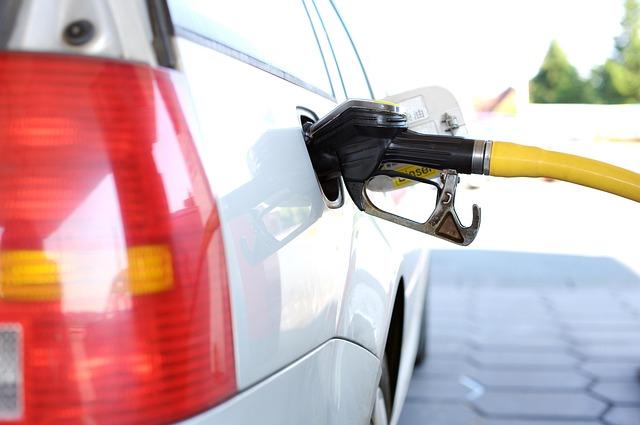
Brazil’s state-controlled oil giant Petrobras has announced a significant reduction in diesel prices as part of a broader federal subsidy initiative aimed at easing fuel costs for consumers. The move comes amid rising economic pressures and seeks to stabilize prices in a volatile market, signaling the government’s commitment to curbing inflation and supporting key sectors reliant on diesel fuel. The latest price adjustment underscores the ongoing challenges facing Brazil’s energy landscape and the strategic role of Petrobras in balancing market dynamics with public policy objectives.
Petrobras Announces Diesel Price Reduction in Response to Government Subsidy Initiative
Petrobras today announced a significant reduction in diesel prices across its distribution network, aligning with the federal government’s recent subsidy initiative aimed at easing fuel costs for consumers and businesses. This move is expected to provide immediate financial relief to transport operators and industries heavily reliant on diesel, potentially stabilizing inflationary pressures in key sectors of the economy.
Key elements of the price adjustment include:
- A decrease in diesel prices by approximately 10%, effective immediately.
- Coordination with government agencies to ensure sustained support and monitoring of fuel pricing dynamics.
- A commitment from Petrobras to maintain supply chain stability amid fluctuating global oil markets.
Market analysts view this development as a strategic step by Petrobras to bolster domestic economic resilience while managing the challenges of international energy volatility.
Impact of Diesel Price Cuts on Brazilian Fuel Market and Consumer Costs
Petrobras’ recent decision to lower diesel prices marks a significant shift in the Brazilian fuel market, directly influenced by the federal government’s new subsidy initiative aimed at alleviating economic pressures on consumers. This move has not only created immediate relief at the pump for freight operators and public transport services but has also sparked a notable ripple effect across various sectors dependent on diesel fuel. Industry analysts note that the reduced cost of diesel is expected to curb inflationary pressures, especially in logistics and agriculture, potentially stabilizing prices of essential goods nationwide.
Key impacts include:
- Lower operational costs for transportation and freight businesses, enhancing competitiveness.
- Potential reduction in consumer prices for goods heavily reliant on diesel-powered distribution.
- Short-term budgetary implications for Petrobras as it balances profitability with government mandates.
- Market reactions with competitors possibly adjusting their pricing strategies to maintain market share.
While the subsidy plan aims to shield consumers from rising global oil prices, experts caution that long-term sustainability will depend on market conditions and Petrobras’ ability to adapt without compromising its fiscal health. The government’s subsidy strategy, paired with Petrobras’ pricing adjustments, underscores a proactive approach to stabilizing Brazil’s fuel market amid volatile international energy dynamics.
Experts Recommend Continued Monitoring of Subsidy Effects on Energy Sector Stability
Industry specialists underscore the necessity of rigorous assessment in light of the federal government’s subsidy plan aimed at stabilizing diesel prices. While the initiative offers immediate relief to consumers and businesses by tempering fuel costs, experts caution about potential long-term distortions in the energy market. The price adjustments by Petrobras, influenced directly by the subsidy, have sparked debates on market competitiveness and the sustainability of government intervention.
Key concerns include:
- Market Volatility: Potential challenges in predicting future price fluctuations if subsidies continue without clear exit strategies.
- Investment Impact: Uncertainty for energy sector investors regarding returns amid artificially controlled pricing.
- Supply Chain Effects: Possible disruptions in fuel distribution and production planning due to shifting subsidy parameters.
Experts advocate for transparent, data-driven monitoring mechanisms to track subsidy outcomes, ensuring the policy supports both consumers and the long-term health of the energy industry.
In Conclusion
As Petrobras implements its diesel price reduction under the federal subsidy initiative, the move is poised to ease cost pressures for consumers and businesses alike. Market analysts will be closely monitoring the impact on fuel demand and inflation in the coming months, while government officials remain focused on balancing economic relief with fiscal sustainability. Further developments are expected as the subsidy plan unfolds, shaping Brazil’s energy landscape in the near term.