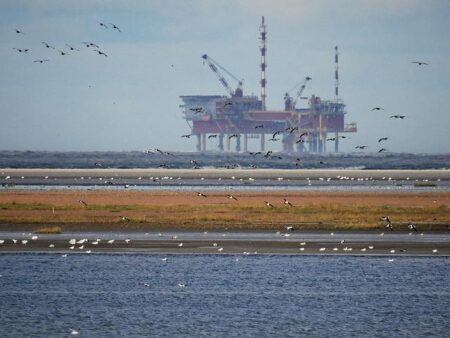

A workers’ strike at Australia’s Ichthys LNG plant has caused significant delays in tanker loading operations, according to reports from MarketScreener.com. The industrial action, which began earlier this week, has disrupted the facility’s export schedule, raising concerns about potential impacts on global liquefied natural gas supply chains. Industry stakeholders are closely monitoring the situation as negotiations between labor representatives and plant management continue.
Workers Strike Halts LNG Tanker Loading at Ichthys Plant Impacting Export Schedules
Operations at the Ichthys LNG plant have been abruptly disrupted following a workers’ strike that has brought tanker loading activities to a standstill. The industrial action, initiated by a faction of the workforce demanding improved safety measures and wage negotiations, has forced management to halt all export preparations. As a result, there is a growing concern over the facility’s ability to meet its contractual shipping deadlines, with ripple effects anticipated across global LNG markets.
Industry analysts highlight several immediate consequences stemming from the stoppage, including:
- Delayed shipments potentially triggering contractual penalties
- Price volatility in regional LNG supply chains
- Operational backlogs once loading resumes, requiring intensified schedules
Stakeholders are closely monitoring developments as talks between union representatives and plant management remain ongoing, aiming for a swift resolution to minimize further economic impact.
Operational Challenges and Market Implications of Delayed LNG Shipments from Australia
The unexpected strike by workers at the Ichthys LNG plant in Australia has triggered significant operational disruptions, leading to delayed loading of LNG tankers. The halting of routine activities at one of the country’s key export hubs has forced logistical readjustments, with some shipments being postponed indefinitely. This interruption not only strains the supply chain but also places additional pressure on storage facilities at the plant, causing potential bottlenecks that could ripple through the regional energy sector.
Market impacts are already being observed as traders and buyers react to the tightening supply. The delays have contributed to increased volatility in LNG prices, particularly in Asia and Europe, where Australian LNG plays a critical role in fulfilling demand. Key implications include:
- Heightened pricing uncertainty as buyers scramble to secure alternative cargoes
- Potential short-term spikes in spot market rates due to constrained supply
- Pressure on long-term contracts affected by delivery standstills
As negotiations between the workforce and plant management continue, the market remains watchful for quick resolution to avoid further destabilization of global LNG flows.
Strategies for Mitigating Supply Chain Disruptions Amid Industrial Action at Ichthys Facility
In response to the ongoing labor unrest at the Ichthys LNG facility, industry stakeholders are actively deploying several tactical approaches to sustain supply chain stability. Companies are prioritizing the diversification of transportation routes and contracting additional shipping partners to alleviate the bottleneck caused by delayed tanker loading. Additionally, enhanced communication channels between suppliers, logistics operators, and customers are being established to provide real-time updates and adjust delivery schedules proactively. These measures aim to reduce the cascading impact of the strike on global LNG supply and maintain market confidence amid uncertainty.
Key strategies being implemented include:
- Utilizing alternative loading terminals where feasible to circumvent the affected site
- Increasing inventory buffers at strategic nodes to cushion short-term supply shocks
- Engaging in accelerated negotiations with workforce representatives to expedite a resolution
- Employing predictive analytics to forecast potential downtime and optimize logistics planning
By adopting these comprehensive tactics, the Ichthys LNG supply chain aims to minimize operational disruptions and safeguard contractual commitments despite the labor challenges confronting the facility.
In Conclusion
The ongoing workers’ strike at Australia’s Ichthys LNG plant continues to disrupt tanker loading schedules, underscoring the vulnerability of energy supply chains to labor disputes. As negotiations between the workforce and management persist, market watchers will be closely monitoring any developments that could further impact LNG shipments and global energy markets. Updates will be provided as the situation evolves.