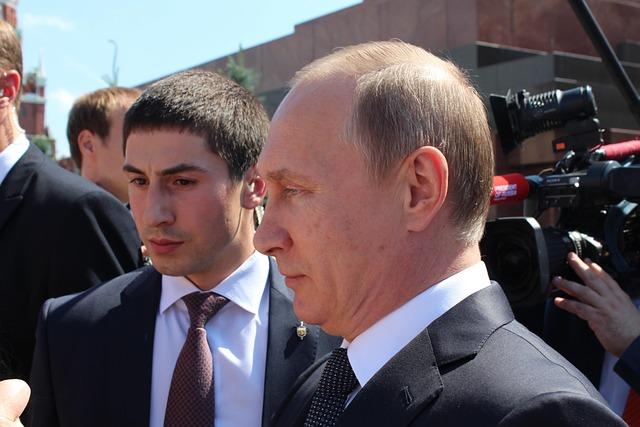
Russian President Vladimir Putin has called on Germany to reconsider its stance and resume purchasing Russian gas through the Nord Stream pipeline. Speaking amid ongoing energy tensions between Moscow and Europe, Putin emphasized the mutual benefits of reestablishing energy cooperation, as Germany continues to navigate alternatives amid the disruptions caused by geopolitical conflict. The appeal underscores the complex dynamics surrounding European energy security and the broader implications for international relations.
Putin Calls on Germany to Resume Russian Gas Purchases via Nord Stream
Russian President Vladimir Putin has emphatically urged Germany to reconsider its stance on energy cooperation and resume purchasing natural gas through the Nord Stream pipeline. Emphasizing the importance of reliable energy supplies amid ongoing geopolitical tensions, Putin highlighted the mutual benefits that could arise from reactivating this crucial energy corridor. He conveyed that Germany’s decision could stabilize European energy markets and help address the continent’s growing demand for affordable and sustainable fuel sources.
In his remarks, Putin underscored several key points:
- Economic interdependence: Reinstating Nord Stream gas flows would reinforce economic ties between Russia and Germany, fostering increased trade and investments.
- Energy security: Reliable gas supplies are essential to prevent shortages during peak demand periods, particularly in the colder months ahead.
- Geopolitical stability: Continued cooperation in energy can serve as a foundation for broader diplomatic engagement amid strained relations.
As Europe navigates a complex energy landscape, the call from Moscow adds a new dimension to the ongoing discussions Washington and Berlin are having regarding energy diversification and sanctions impacts.
Implications for European Energy Security Amid Ongoing Geopolitical Tensions
Europe’s energy landscape remains precariously balanced as tensions escalate between Russia and Western nations. The prospect of Germany resuming gas purchases via Nord Stream introduces a complex dynamic, highlighting the continent’s ongoing vulnerability to external pressures. Renewed reliance on Russian gas could provide short-term relief to Europe’s energy deficit, particularly amid fluctuating supplies from alternative sources. However, this dependence risks undermining collective European efforts to diversify energy portfolios and reduce exposure to geopolitical leverage exerted by Moscow.
Key considerations for policymakers include:
- Maintaining a unified stance within the European Union to prevent fragmentation in energy policy response.
- Accelerating investments in renewable energy infrastructure and LNG capacity as long-term solutions.
- Balancing immediate energy needs with strategic autonomy to avoid compromising future negotiations with Russia.
As the continent navigates this delicate juncture, decisions around Nord Stream and Russian gas supplies will reverberate well beyond energy markets, influencing diplomatic relations, economic stability, and the broader geopolitical equilibrium in Europe.
Experts Advise Berlin to Weigh Economic Benefits Against Political Risks
As Berlin faces mounting pressure to reconsider its energy imports from Russia, economic analysts emphasize the critical need to balance financial incentives against potential geopolitical fallout. Renewed negotiations over the Nord Stream pipeline could alleviate immediate energy shortages and stabilize market prices, but experts warn that strengthening ties with Moscow at this juncture carries inherent risks that may overshadow short-term gains.
Key considerations for German policymakers include:
- Economic Stability: Securing affordable natural gas supplies could bolster industrial output and shield consumers from escalating energy costs.
- Political Ramifications: Resuming purchases may strain Germany’s relations with European allies and the broader international community wary of Russia’s geopolitical ambitions.
- Long-Term Energy Strategy: Aligning decisions with the EU’s commitment to diversify energy sources to reduce reliance on Russian fuel.
To Wrap It Up
As the Nord Stream pipeline remains a focal point of energy and geopolitical tensions, Putin’s call for Germany to reconsider purchasing Russian gas underscores ongoing complexities in Europe’s energy landscape. With both economic and strategic implications at stake, the decision from Berlin will be closely watched by international observers amid shifting alliances and market uncertainties.