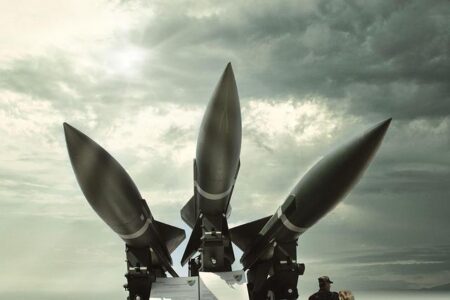
Tensions in the Middle East escalated sharply as Iranian missiles struck targets in Kuwait and Bahrain following a recent clash between US and Iranian forces, according to reports from Al Jazeera. The developments mark a significant intensification in the ongoing conflict, raising concerns over regional stability and the potential for a broader confrontation. This article provides a live update on the unfolding situation, highlighting key events and responses from involved parties.
Iran Missiles Strike Kuwait and Bahrain Escalating Regional Tensions
In a recent surge of military aggression, Iran has launched a series of missile strikes targeting strategic locations in Kuwait and Bahrain. This aggressive move follows heightened US-Iran tensions, marking one of the most severe escalations in the region in years. Reports confirm multiple missile launches aimed at critical infrastructure, with both Kuwait and Bahrain scrambling to assess damages and casualties. International response has been swift, with calls for restraint intensifying as the risk of a broader conflict looms large.
Key developments include:
- Missiles reportedly intercepted by defense systems in Bahrain, minimizing casualties
- Kuwait confirms damage to military installations with ongoing investigations
- US forces in the region placed on high alert amid fears of further retaliation
- Regional allies convening emergency meetings to address the escalating crisis
Diplomatic channels remain open but fragile, as international actors urge both sides to avoid further provocations. The strike not only deepens the divide between Tehran and Washington but also threatens to destabilize the Gulf’s precarious geopolitical balance.
Analysis of US-Iran Clash and Its Impact on Gulf Security Dynamics
The recent escalation between the United States and Iran has dramatically shifted the security landscape of the Gulf region. Iranian missile strikes on Kuwait and Bahrain represent a bold extension of Tehran’s military reach, signaling a new phase in its strategy to assert influence and retaliate against perceived American aggression. These attacks not only underscore Iran’s capability to target key US allies but also expose the vulnerabilities of states traditionally viewed as secure within the Gulf Cooperation Council (GCC). The strikes have sparked widespread concern, prompting regional powers to reassess their defense postures amid fears of a protracted conflict.
Key implications of the strike include:
- Heightened military alertness across Gulf states, with many increasing patrols and reinforcing air defenses.
- Potential disruption of vital shipping lanes in the Strait of Hormuz, raising risks for global energy markets.
- An urgent call for international diplomatic efforts to de-escalate tensions and prevent further civilian casualties.
- The possibility of accelerated arms agreements between Gulf nations and Western allies seeking to counterbalance Iran’s assertiveness.
As the situation continues to evolve, the durability of longstanding alliances and the resilience of regional security arrangements will be put to the test. The unfolding crisis serves as a stark reminder of the fragile balance of power in the Gulf and the urgent need for a sustainable resolution to prevent broader destabilization.
Recommendations for Diplomatic Engagement and De-escalation Strategies
Immediate de-escalation requires open diplomatic channels between Washington and Tehran, emphasizing direct communication to prevent further misunderstandings. Regional actors such as Kuwait and Bahrain, directly affected by the recent missile strikes, should be involved in dialogue processes to ensure their security concerns are addressed. International mediation, possibly through the United Nations or neutral parties, could provide a platform for negotiations aimed at reducing hostilities and establishing mutual respect for sovereignty.
Additionally, strategic confidence-building measures can help mitigate tensions, including:
- Implementing clearly defined ceasefire agreements monitored by impartial observers.
- Establishing communication hotlines to manage incidents in real time.
- Engaging in collaborative counterterrorism efforts to prevent the rise of extremist elements exploiting the conflict.
- Encouraging economic and cultural exchanges as long-term trust-building mechanisms.
These steps are critical to stabilizing the Gulf region and preventing further escalation into widespread conflict.
To Conclude
As tensions in the region continue to escalate following the US-Iran confrontation, the recent missile strikes targeting Kuwait and Bahrain mark a significant intensification of hostilities. Regional and international actors remain on high alert as diplomatic efforts to de-escalate the situation are underway. Al Jazeera will continue to monitor developments closely and provide timely updates on this rapidly unfolding crisis.