
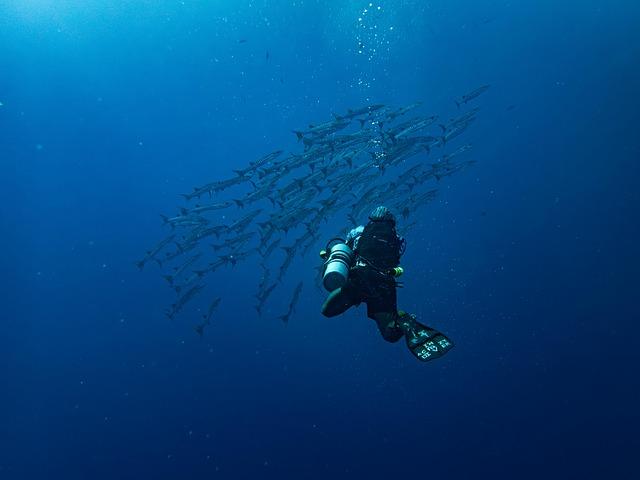
A tragic incident unfolded off the coast of Albany, Western Australia, as a diver has died following a shark attack. The diver was reportedly bitten by a 4.5-metre shark during an underwater excursion, prompting an urgent emergency response. Authorities are investigating the circumstances surrounding the attack, which has shocked the local community and raised concerns about marine safety in the area. Further details are awaited as officials work to piece together the events leading up to the fatal encounter.
Breaking Tragedy Off Albany Coast Highlights Growing Shark Encounter Risks
In a tragic incident off the coast of Albany, Western Australia, a diver lost his life after a deadly encounter with a 4.5-meter great white shark. Emergency responders rushed to the site following reports of the attack, but despite immediate medical attention, the man succumbed to his injuries. The dive community and local residents have been left shaken as authorities confirm this as one of the most severe shark attacks in recent memory for the region.
Experts are drawing attention to the increasing frequency of shark sightings and interactions along this stretch of the coast. Factors contributing to these risky encounters include:
- Warmer ocean temperatures altering shark migratory patterns.
- Increased human activity such as fishing and diving in shark-inhabited waters.
- Changes in marine food chains impacting shark behavior and habitats.
Authorities are urging the public to exercise caution when entering the water and to stay informed about local shark warnings as research continues into strategies to enhance swimmer safety without disrupting marine ecosystems.
Expert Analysis on Shark Behavior and Safety Measures in Western Australian Waters
Western Australian marine experts emphasize that while shark encounters remain relatively rare, understanding shark behavior is critical to improving diver safety. Sharks, particularly the larger species frequenting the Albany coastline, exhibit patterns influenced by water temperature, prey migration, and breeding cycles. Researchers note that shark activity tends to increase during dusk and dawn, times when visibility is reduced both for sharks and divers. Awareness of these behavioral patterns allows authorities to issue timely warnings and adapt safety protocols accordingly.
Key safety measures recommended include:
- Avoiding waters during peak shark activity hours
- Wearing non-reflective gear to reduce attractiveness
- Buddy diving and maintaining constant visual contact
- Following local advisories and shark sighting reports
- Immediate reporting of sightings to help track shark movements
In response to the recent tragedy near Albany, conservationists and public safety officials are urging the diving community to stay informed and exercise heightened caution. Ongoing studies will continue to enhance predictive capabilities to minimize future risks while balancing shark conservation efforts crucial to the region’s ecosystem.
Recommendations for Divers and Authorities to Enhance Shark Attack Prevention and Response
In light of the recent tragic incident, it is imperative that both divers and authorities adopt more robust safety measures to mitigate the risks posed by shark interactions. Divers should be encouraged to follow strict safety protocols such as avoiding solitary dives in shark-prone areas, staying close to group members, and refraining from entering the water during peak feeding times. The use of shark deterrent devices and wearing protective wetsuits designed to reduce visibility to sharks could further enhance personal safety. Awareness campaigns highlighting the species-specific behaviors of local sharks and emphasizing precautionary behaviors could empower divers to make informed decisions before entering the water.
Authorities must prioritize the implementation of advanced monitoring systems to track shark movements and provide real-time alerts to beachgoers and divers. Installing shark-detection buoys equipped with sonar technology along popular diving sites can give critical early warnings. Furthermore, authorities should invest in comprehensive emergency response training for first responders, including marine rescue teams, to ensure prompt and effective medical intervention in the event of an attack. Regular community briefings and collaboration with marine biologists can foster a proactive approach, balancing human activities with marine wildlife conservation.
- Promote group diving and avoid solitary excursions
- Utilize shark deterrent technology and protective gear
- Deploy real-time shark detection and alert systems
- Enhance emergency response training and resources
- Engage in ongoing public education and marine research collaboration
The Way Forward
The investigation into the fatal shark attack off the coast of Albany, Western Australia, remains ongoing as authorities continue to assess the circumstances surrounding the incident. Local officials have urged caution for swimmers and divers in the area while heightening surveillance measures. This tragic event serves as a sobering reminder of the risks associated with ocean activities in regions inhabited by large sharks. Further updates will be provided as more information becomes available.