
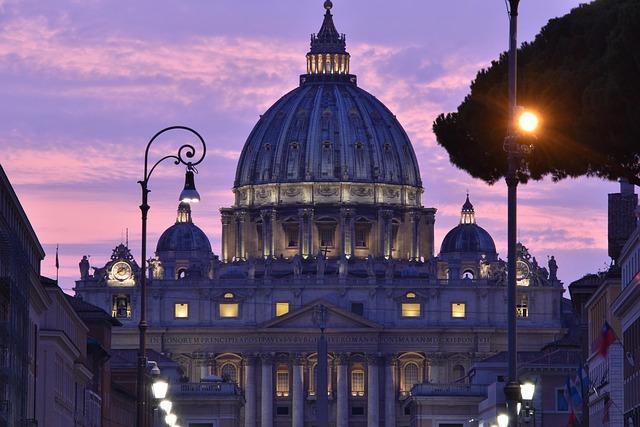
In a historic move reflecting the Vatican’s evolving outreach, Pope Leo has embarked on a landmark pilgrimage to Spain, signaling a shift from traditional institutional engagements to a more grassroots approach. The journey, covered extensively by Vatican News, highlights the pontiff’s commitment to connecting with communities on the peripheries-both geographically and spiritually. This visit not only underscores Spain’s enduring significance in Catholic history but also embodies a broader vision of inclusivity and renewal within the Church’s mission.
Pope Leo’s Journey Connects Central Authority with Spain’s Outlying Communities
Pope Leo’s recent pilgrimage across Spain served as a poignant symbol of bridging the sacred core of the Catholic Church with its vibrant, yet often overlooked, peripheral communities. His journey embraced diverse regions, from the bustling urban centers to remote villages, underscoring the Church’s commitment to inclusivity and pastoral care beyond institutional confines. Notably, the Pope’s engagements highlighted the cultural richness and spiritual fervor thriving at the edges of ecclesiastical influence, reflecting a deliberate effort to strengthen unity within a diverse flock.
Among the key moments of this pilgrimage were intimate gatherings with local faithful, where Pope Leo listened attentively to their hopes, struggles, and aspirations. These interactions reaffirmed the Vatican’s dedication to:
- Empowering grassroots communities through dialogue and support.
- Addressing regional disparities in access to religious and social resources.
- Fostering a sense of belonging within the universal Church.
His presence in Spain’s outlying communities not only revitalized local faith but also emphasized the importance of maintaining strong ties between the Church’s central leadership and its global constituencies.
Bridging Tradition and Outreach Expanding the Church’s Presence Beyond Institutional Hubs
Pope Leo’s pilgrimage to Spain marks a significant moment in the Church’s ongoing mission to extend its reach beyond the traditional confines of religious institutions. By engaging directly with local communities, particularly in rural and underserved regions, the Pope underscores a commitment to bringing faith to the grassroots. This journey reflects a deliberate strategy to connect with the faithful where they live and work, reaffirming the Church’s role not only as a spiritual guide but also as a catalyst for social cohesion and cultural preservation.
During his visit, Pope Leo emphasized the importance of:
- Active dialogue between the Church and marginalized groups
- Promotion of inclusive worship practices tailored to diverse communities
- Strengthening local outreach programs that address social and economic challenges
- Empowering lay leaders to foster community engagement
By stepping beyond cathedral walls, the Pope’s pilgrimage serves as a powerful reminder that the vitality of the Church lies in its ability to evolve and respond to the needs of people everywhere, weaving tradition with contemporary relevance.
Recommendations for Strengthening Local Engagement and Fostering Inclusive Faith Practices
To deepen the connection between the Church and local communities, it is essential to prioritize grassroots initiatives that resonate with diverse cultural contexts. Emphasizing dialogue and active listening allows ecclesial leaders to address real-life challenges faced by the faithful, particularly in marginalized areas. Initiatives such as neighborhood faith workshops, community service projects, and intergenerational gatherings can encourage broader participation and empower lay leadership. Moreover, fostering partnerships with local organizations and cultural groups strengthens trust and nurtures a shared sense of mission beyond institutional boundaries.
Creating inclusive faith environments also requires intentional efforts to embrace the richness of diverse voices within the Church. This includes welcoming women, youth, and minorities into prominent roles of ministry and decision-making, while promoting educational programs that spotlight the intersection of faith with social justice and human dignity. Pastoral approaches that honor differing expressions of spirituality, alongside open forums for theological reflection, can cultivate a vibrant and relatable practice of faith. Ultimately, by integrating these strategies, the Church refines its witness and grows in solidarity with all its members, especially those on the peripheries.
The Conclusion
As Pope Leo’s pilgrimage to Spain draws to a close, the journey underscores a significant shift from institutional settings to the peripheries, reaffirming the Vatican’s commitment to reaching marginalized communities. This historic visit not only highlights the enduring influence of the papacy but also signals a renewed focus on dialogue, solidarity, and pastoral care beyond traditional centers of power. Observers now await how this approach will shape future Vatican outreach and the broader role of the Church in an evolving global landscape.