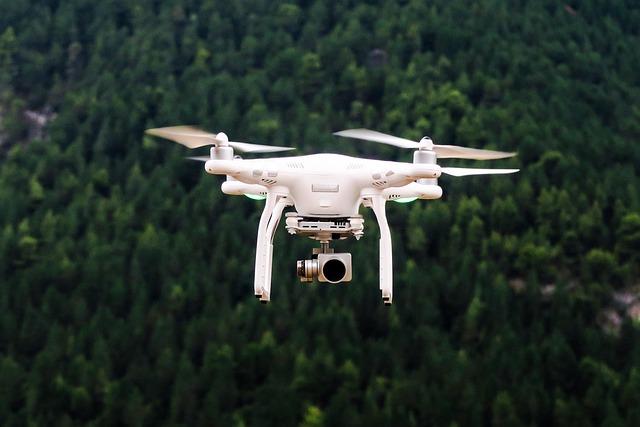
In a significant escalation of the ongoing conflict, Ukrainian forces have launched a drone attack targeting key sites in St Petersburg, Russia’s second-largest city. Moscow has described the assault as “unprecedented,” highlighting the growing reach and intensity of Ukraine’s military operations beyond the immediate frontlines. The strike marks a notable development in the war, underscoring the increasing use of unmanned aerial vehicles in Ukraine’s strategy against Russian infrastructure deep inside its territory.
Ukrainian Drone Strikes Mark a New Phase in Conflict Targeting Russia’s Strategic Cities
In a bold escalation of the ongoing conflict, Ukrainian forces have deployed drone strikes deep into Russian territory, targeting St Petersburg-Russia’s historic cultural capital and a city of immense strategic value. The attack, which Russia’s officials have labeled as “unprecedented,” marks a significant shift from previous military engagements primarily concentrated near contested eastern borders. This calculated move signals a new phase in Ukraine’s offensive strategy, leveraging advanced drone technology to disrupt critical infrastructure and challenge Russia’s perception of secure rear areas.
Details emerging from the incident highlight the complexity and coordination involved in the strike. Key features of the attack include:
- Use of multiple drones: Ukrainian forces reportedly launched a swarm of unmanned aerial vehicles capable of evading Russian air defenses.
- Target selection: Critical logistical hubs and energy facilities were prioritized to maximize disruption.
- Psychological impact: The choice of St Petersburg aims to unsettle Russian leadership and citizens far beyond the frontlines.
This unprecedented reach into Russia’s heartland underscores a rapid evolution in drone warfare and compels a reassessment of defensive postures for urban centers previously considered out of direct combat zone reach.
Assessing the Impact on St Petersburg Infrastructure and Civilian Safety
The recent drone incursion into St Petersburg has left significant marks on the city’s infrastructure, with preliminary reports indicating damage to power substations and critical communication lines. Several residential blocks experienced blackout conditions as emergency crews rushed to contain the fallout. While no catastrophic destruction akin to large-scale missile strikes was observed, the incident exposed vulnerabilities in the urban defense grid, prompting urgent calls for reinforced aerial surveillance and anti-drone technologies across key sectors.
Civilian safety remains a paramount concern in the aftermath, particularly with drone activity taking place far from traditional frontlines. Residents reported alarms and emergency sirens disrupting daily routines, accompanied by temporary evacuations from affected neighborhoods. Local authorities have initiated support measures, including:
- Deployment of additional paramedics and first responders
- Establishment of temporary shelters for displaced families
- Provision of psychological counseling services to trauma-affected civilians
These steps underscore the complexity of protecting densely populated urban centers from emerging aerial threats and highlight the ongoing humanitarian challenges faced by St Petersburg’s civilian population amid escalating regional tensions.
Recommendations for Strengthening Urban Air Defenses Amid Rising Drone Threats
As the use of drones in conflict zones escalates, particularly highlighted by the recent Ukrainian strikes on St Petersburg, urban centers worldwide must urgently reassess their air defense strategies. Traditional anti-air systems, designed primarily for larger, slower aerial vehicles, struggle to detect and intercept small, agile drones. Municipalities should prioritize the integration of advanced radar and sensor networks capable of tracking low-altitude, low-signature targets in complex urban environments. Additionally, investing in AI-driven threat identification systems will enable faster, more accurate differentiation between civilian and hostile drones, reducing false alarms and response times.
Key measures for reinforcing urban drone defenses include:
- Deployment of layered detection systems combining radar, radio frequency (RF) scanning, and optical sensors
- Implementation of electronic warfare technologies to disrupt drone communication and control signals
- Establishment of rapid-response counter-drone teams equipped with kinetic and non-kinetic neutralization tools
- Development of legal frameworks and public awareness campaigns to manage drone usage safely in urban spaces
These steps are essential not only to safeguard critical infrastructure but also to maintain civilian safety in an era where asymmetric aerial threats are becoming increasingly sophisticated and frequent.
In Summary
The recent drone attack on St Petersburg marks a significant escalation in the ongoing conflict between Ukraine and Russia, highlighting the evolving tactics and intensified hostilities in the region. As both sides continue to exchange accusations and warnings, the international community watches closely, concerned about the potential for further escalation. The coming days will be critical in assessing the broader implications of this unprecedented strike and its impact on the fragile security landscape in Eastern Europe.