
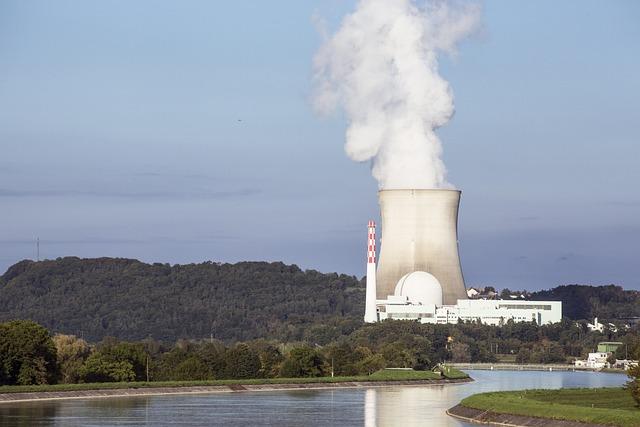
In a significant shift in regional security dynamics, India has for the first time deployed 12 nuclear warheads, marking a notable escalation from zero warheads deployed as recently as last year. This development signals a strategic recalibration amid growing geopolitical tensions in Asia. As India bolsters its nuclear posture, questions arise over how neighboring powers China and Russia are positioning themselves in response. This report delves into the implications of India’s deployment and examines where China and Russia currently stand in the evolving nuclear landscape.
India’s Strategic Shift Marks New Era in Nuclear Deterrence
India’s recent augmentation of its nuclear arsenal to 12 warheads marks a significant recalibration of its defense posture, reflecting heightened strategic concerns in the region. This unprecedented move, from zero nuclear warheads last year, signals a clear intent to bolster deterrence capabilities amid growing geopolitical tensions with neighboring powers. Defense analysts suggest this expansion is not merely quantitative but also qualitative, as India seeks to modernize its delivery systems and command structures to maintain credible second-strike potential.
In comparison, China and Russia continue to maintain substantial nuclear stockpiles, but the dynamics are shifting. While China focuses on rapid modernization and diversification of its missile forces, Russia emphasizes strategic stability through arms control negotiations, despite its expansive arsenal. Key factors defining the evolving landscape include:
- China’s investment in hypersonic weapons and nuclear-powered glide vehicles
- Russia’s deployment of tactical nuclear weapons in key theaters
- India’s emphasis on indigenous missile technology and survivable deterrent platforms
Analyzing China and Russia’s Current Nuclear Postures in Asia
China continues to advance its nuclear capabilities with a focus on modernization and strategic flexibility. Recent assessments suggest an expansion of its nuclear arsenal, supported by the development of new missile systems such as the hypersonic glide vehicles and submarine-launched ballistic missiles. Beijing emphasizes a doctrine of “no first use”, yet its growing missile range underscores a preparedness to project power in Asia and beyond. Simultaneously, China is investing heavily in missile defense and command-and-control infrastructure, signaling a shift toward a more credible second-strike capability amid regional tensions.
Russia’s nuclear posture in Asia remains robust, albeit shaped by a complex geopolitical landscape. Moscow continues to maintain a sizable deployed arsenal in its eastern territories, leveraging advanced delivery platforms including the RS-24 Yars and the innovative Avangard hypersonic glide vehicle. Key aspects of Russia’s stance include:
- Strategic deterrence: Reinforcing nuclear readiness as a counterbalance to NATO’s eastern expansion and US presence in the Indo-Pacific.
- Flexible response options: Integrating tactical nuclear weapons to deter conventional conflicts along its Asian borders.
- Diplomatic signaling: Utilizing nuclear capabilities as a tool for influence amid strained relations with Western powers and regional actors.
This posture necessitates ongoing vigilance from neighboring countries amid evolving security scenarios that demand nuanced, multi-dimensional nuclear threat assessments.
Implications for Regional Security and Recommended Diplomatic Engagements
The deployment of 12 nuclear warheads by India marks a significant shift in the strategic balance of South Asia, intensifying regional security concerns. This development is likely to prompt neighboring countries to reassess their defense postures, potentially triggering an arms race. Both China and Pakistan, historically attuned to India’s military capabilities, may accelerate their own nuclear advancements or adopt more assertive stances in disputed territories. Additionally, the move complicates ongoing diplomatic dialogues aimed at fostering stability, as greater nuclear readiness may reduce incentives for conflict resolution through peaceful means.
In response to these evolving dynamics, diplomatic efforts must focus on renewed multilateral engagements that emphasize transparency and communication. Key steps include:
- Establishing confidence-building measures through regular dialogue among nuclear-equipped states in the region.
- Reviving arms control negotiations to set concrete limits on warhead deployments.
- Enhancing crisis management mechanisms to prevent unintended escalations.
A cooperative approach involving India, China, Russia, and other stakeholders will be crucial in mitigating risks and promoting long-term peace in a region now marked by an uncertain nuclear trajectory.
In Summary
As India takes the significant step of deploying 12 nuclear warheads for the first time, marking a notable shift from its previous stance, the regional security dynamics in Asia are poised for change. While New Delhi strengthens its strategic deterrence, the positions and capabilities of China and Russia continue to evolve, underscoring a complex and delicate balance of power. Analysts warn that this development may prompt recalibrations in diplomatic and defense postures across the region, making close observation of all three nations’ nuclear policies more critical than ever.