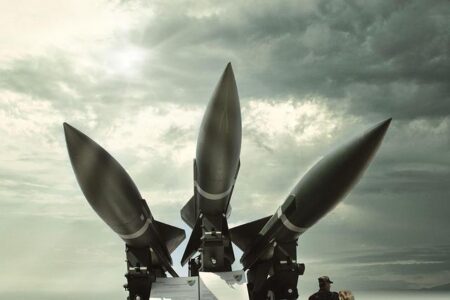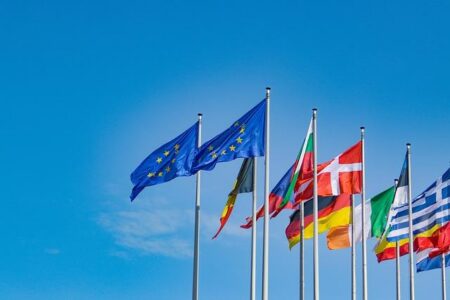

As Germany moves to expand its military capabilities amid growing geopolitical tensions in Europe, France finds itself grappling with unease over its neighbor’s rearmament. Once wary of German militarism’s historical shadows, French officials and analysts now express concerns about the implications for regional security and Franco-German relations within the European Union. This article explores the roots of France’s apprehension, the evolving strategic dynamics between the two countries, and what Germany’s military buildup means for the future of European defense cooperation.
France Voices Strategic Concerns Over Germany’s Military Expansion
France has expressed growing apprehension regarding Germany’s ambitious plans to significantly augment its military capabilities. The move, seen by French officials as a shift in Germany’s longstanding post-World War II defense posture, raises questions about the future balance of power within Europe. Paris is particularly concerned that increased German armament might disrupt existing security frameworks and ignite tensions among neighboring countries. French diplomats emphasize that renewed German military assertiveness could complicate NATO dynamics and potentially overshadow EU defense cooperation efforts.
Key points fueling French unease include:
- Uncertainty over Germany’s strategic objectives: France worries that without clear policy goals, Germany’s expansion might appear destabilizing rather than defensive.
- Potential arms race within Europe: The increase in German defense spending could prompt other nations to follow suit, leading to regional militarization.
- Impact on Franco-German relations: Historically central to EU cohesion, strained ties could emerge if military ambitions are perceived as competitive rather than collaborative.
Economic and Political Implications for Franco-German Relations
France’s anxiety over German rearmament taps into deep-rooted economic and political dynamics that continue to shape Franco-German relations. Economically, a more militarily assertive Germany could recalibrate the balance of fiscal priorities within the European Union, potentially diverting resources from joint economic initiatives and restructuring EU defense spending. Paris fears that Germany’s increased defense budget might embolden Berlin to assert greater influence over European economic policies, challenging France’s leadership role in steering the EU’s economic agenda. The prospect of a resurging German military presence also triggers concerns about competitive industrial investments, especially in the defense sector, where France has historically maintained significant stakes.
Politically, the specter of German rearmament evokes historical sensitivities and fuels apprehensions about the future direction of European stability. French policymakers are wary that Germany’s ambitions could unsettle carefully cultivated diplomatic balances, leading to a recalibration of alliances and defense commitments within NATO and the EU. Paris worries that a stronger Germany may push for a more autonomous European defense policy, potentially diluting French influence and undermining decades of shared Franco-German cooperation as the cornerstone of European unity. Key points of contention include:
- Diverging strategic priorities, with France advocating for a robust EU defense identity and Germany favoring cautious engagement.
- Concerns over transparency and trust, with France demanding clear political accountability in Germany’s military expansion plans.
- The impact on smaller EU states, which could be caught between the competing ambitions of the Franco-German axis.
Calls for Transparent Dialogue and Joint Security Frameworks
As Germany embarks on an ambitious path to bolster its military capabilities, France advocates for open channels of communication to avoid misunderstandings that could escalate regional tensions. French officials stress the importance of transparent dialogue, arguing that unilateral expansions risk unsettling the delicate balance of power in Europe. In addition to verbal reassurances, Paris is calling for concrete mechanisms that ensure military developments in one country do not inadvertently threaten its neighbors.
In pursuit of stability, France proposes the creation of joint security frameworks designed to coordinate defense strategies and share intelligence. Key elements of this approach include:
- Regular bilateral consultations between French and German defense ministries to monitor progress and intentions.
- Establishment of shared military exercises aimed at fostering trust and interoperability.
- Collaborative planning to address emerging threats collectively rather than competitively.
These steps are seen as crucial for maintaining unity within NATO and ensuring that Europe’s security architecture adapts cohesively amid shifting geopolitical challenges.
The Conclusion
As Germany moves cautiously to expand its military capabilities amid shifting geopolitical tensions, France’s apprehensions underscore the complex dynamics within Europe’s security architecture. The unease reflects not only historical sensitivities but also divergent strategic priorities among key EU partners. How Berlin and Paris navigate these challenges will be critical in shaping the future cohesion and defense posture of the European Union.