
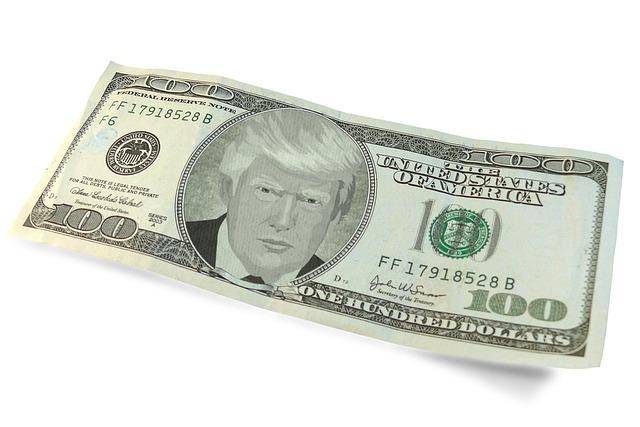
Former President Donald Trump, who long dismissed climate change as a hoax, has taken a sharply different stance in recent weeks by threatening Brazil with tariffs over ongoing deforestation in the Amazon rainforest. This unexpected move underscores a growing international focus on environmental issues and highlights the complex intersection of trade policy and climate concerns. As deforestation rates continue to rise, the threat of economic penalties signals increased pressure on Brazil to curb environmental degradation, raising questions about how geopolitical strategies are evolving in response to global environmental challenges.
Trump Contradicts Previous Climate Stance by Targeting Amazon Deforestation
In a surprising shift, former President Donald Trump, who has consistently dismissed the science of climate change, has recently taken a hardline stance against deforestation in the Amazon rainforest. This unexpected move involves threatening Brazil with trade tariffs aimed at curbing the rampant destruction of one of the world’s most vital ecosystems. The announcement has stirred debate among environmentalists and political analysts, as it signals a stark contradiction to Trump’s previous climate rhetoric and policies.
Experts highlight several key elements behind this policy pivot, including:
- Economic leverage: Using tariffs as a means to pressure Brazil to enact stricter forest protection measures.
- Global environmental impact: Recognizing the Amazon’s crucial role in carbon absorption, potentially affecting climate worldwide.
- Geopolitical strategy: Reasserting U.S. influence in environmental discussions amid rising international concern.
This move, however, raises questions about consistency and the underlying motivations, as Trump has yet to publicly align with broader climate change initiatives. The international community watches closely to see whether this signals a genuine shift in policy or a tactical gesture in ongoing trade negotiations.
Analyzing the Impact of Potential Tariffs on Brazil’s Economy and Environment
The introduction of potential tariffs on Brazilian exports has sparked significant debate, highlighting a complex intersection of economic policy and environmental stewardship. For Brazil, the threat of tariffs represents a double-edged sword: while aimed at curbing Amazon deforestation, these measures could also disrupt vital trade relations and economic growth. Export-heavy sectors such as agriculture, mining, and manufacturing stand to face increased costs, potentially reducing Brazil’s competitiveness in global markets. This economic strain could lead to job losses and slower development in regions that heavily depend on these industries, exacerbating social inequalities.
Beyond economics, the environmental ramifications are equally nuanced. Critics argue that tariffs alone might not sufficiently address the root causes of deforestation. Instead, a combined approach involving sustainable development incentives, enhanced monitoring, and local community engagement is essential. Key elements to consider include:
- Strengthening enforcement of existing environmental regulations to prevent illegal logging.
- Promoting sustainable agriculture practices that reduce land pressure on the Amazon.
- Supporting indigenous communities whose stewardship is critical to forest conservation.
- International cooperation to fund and monitor conservation efforts.
The challenge lies in balancing economic resilience with urgent environmental protection, ensuring tariffs act as a catalyst for genuine reform rather than punitive economic damage.
Policy Recommendations for Balancing Trade Interests with Global Conservation Efforts
To effectively navigate the complex intersection of trade and environmental stewardship, policymakers must adopt a multifaceted approach that prioritizes sustainable development without compromising economic growth. This involves integrating mandatory environmental standards into trade agreements, ensuring that consumer markets demand transparency and accountability from supply chains contributing to deforestation. Incentivizing green technologies and sustainable agriculture practices can serve as critical tools in reducing the environmental footprint of trade, particularly in commodity sectors tied to the Amazon’s ecosystem.
Additionally, international collaboration must strengthen mechanisms for monitoring and enforcing environmental commitments. Countries could benefit from a framework that includes:
- Enhanced funding for conservation initiatives linked directly to trade benefits
- Conditional tariff adjustments based on measurable environmental outcomes
- Support for indigenous communities as key stewards of biodiversity
- Transparent reporting systems leveraging satellite and AI technology to track deforestation in real time
Balancing these elements could create a synergistic model where economic incentives and global conservation goals mutually reinforce one another, reducing political tensions and fostering cooperation rather than confrontation.
Closing Remarks
As tensions escalate between the United States and Brazil over the stewardship of the Amazon rainforest, the situation underscores the complex interplay between environmental policy and international trade. Former President Trump’s stance on climate change-marked by skepticism-now contrasts sharply with his administration’s willingness to leverage economic measures against deforestation. How this approach will affect global efforts to combat climate change remains to be seen, but the unfolding dispute signals a new chapter in environmental diplomacy that could have far-reaching implications for both countries and the planet.