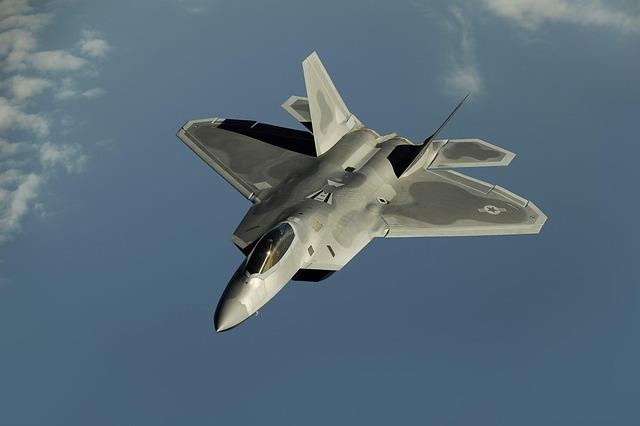
Tensions have surfaced in Europe’s defense landscape as plans for a joint French-German fighter jet program have collapsed, raising critical questions about the continent’s ability to independently secure its future. With transatlantic security ties traditionally anchored by the United States, the breakdown of this high-profile collaboration highlights the challenges Europe faces in building autonomous military capabilities. As policymakers grapple with the implications, the debate intensifies over whether Europe can overcome political and industrial hurdles to reduce its reliance on Washington for security.
France and Germany Jet Project Collapse Signals Deeper Divisions in European Defense Cooperation
The abrupt termination of the joint French-German next-generation fighter jet initiative marks a significant setback in Europe’s ambition to forge a unified defense strategy. Rooted in decades of cooperation aspirations, the project’s collapse highlights the complex interplay of national interests and industrial rivalries that continue to impede genuine integration. Analysts point to diverging priorities, budgetary constraints, and political discord as key factors undermining the collaboration, signaling a broader challenge in achieving autonomous European military capabilities.
With the project derailed, Europe faces urgent questions about its strategic autonomy and the sustainability of its reliance on external powers, particularly the United States, for security guarantees. Key points emerging from the fallout include:
- Fragmented defense procurement: Multiple national defense agencies favor domestic companies, leading to duplicated efforts and inflated costs.
- Political sovereignty concerns: States remain wary of ceding control over critical military technologies and decision-making.
- Transatlantic security ties: NATO remains the cornerstone of European defense, underscoring continued dependence on US capabilities.
As Brussels grapples with divergent visions for defense cooperation, the question looms: can Europe overcome these deep-seated divisions to build a truly independent and integrated military future?
Challenges Facing Europe in Building Autonomous Military Capabilities Beyond US Dependence
Europe’s ambition to carve out a robust autonomous military-industrial base faces entrenched obstacles that extend beyond mere technological hurdles. Fragmented defense policies among EU member states impede unified decision-making, often resulting in conflicting priorities and budgetary constraints. The cancellation of the France-Germany jet project highlights the difficulties in synchronizing long-term strategic visions across national interests. Moreover, Europe’s dependence on the US for advanced military technologies, intelligence sharing, and interoperability still looms large, reflecting the transatlantic alliance’s deep-rooted nature.
Additional complications arise from the complexity of developing next-generation platforms in an environment of escalating geopolitical threats and constrained fiscal resources. Key challenges include:
- Industrial competition: Rivalries between European aerospace giants slow progress and inflate costs.
- Technological gaps: Limited access to cutting-edge components often sourced from the US or allied suppliers.
- Political will: Diverging defense spending commitments and strategic priorities weaken collaborative efforts.
- Export controls: National regulations complicate cross-border technology transfers essential for joint development.
These obstacles underscore why European security remains tethered to US leadership despite aspirations for strategic autonomy.
Strategic Recommendations for Strengthening European Security Through Unified Defense Initiatives
In light of recent setbacks in Franco-German defense collaborations, notably the collapse of joint jet development plans, there is an urgent imperative for Europe to pivot towards more cohesive and robust defense frameworks. Establishing a unified strategic vision requires not only political will but also concrete steps, such as enhancing interoperability between national armed forces and consolidating defense budgets to eliminate redundancies. By pooling resources and expertise, European nations can accelerate the development of indigenous technologies, reducing dependency on external suppliers, especially from the United States.
Key action points to advance this agenda include:
- Creating a pan-European defense procurement agency that prioritizes collaborative projects with clear timelines and accountability.
- Investing in joint research and development for cutting-edge military equipment and cyber capabilities.
- Strengthening diplomatic channels to harmonize security policies and response mechanisms.
- Promoting cross-border military training and operational exercises to enhance coordination.
Amplifying these measures will be pivotal for Europe to assert strategic autonomy, ensuring that future crises are met with a united and self-reliant defense posture.
Key Takeaways
As France and Germany navigate the fallout from their joint jet development setback, the broader question remains: can Europe redefine its strategic autonomy and reduce dependence on the United States for defense? While political will and industrial collaboration are essential, overcoming deep-seated challenges in coordination, funding, and technology will be critical. The outcome of these efforts will not only shape the future of European military capabilities but also influence the continent’s role on the global security stage.