
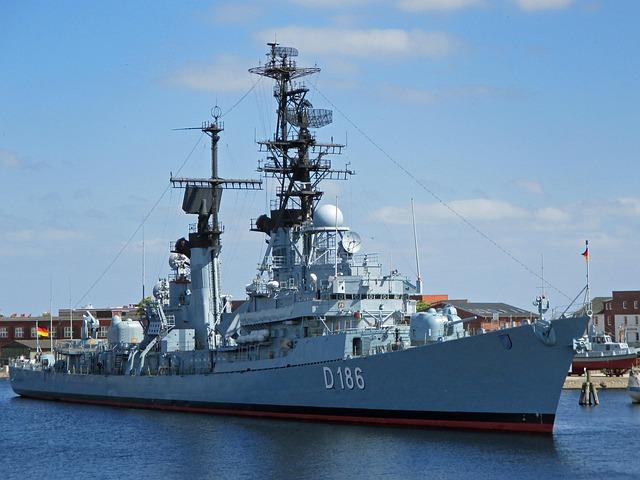
A Russian warship reportedly fired warning shots at a UK-flagged yacht in international waters, escalating tensions amid ongoing geopolitical disputes. The incident, confirmed by multiple sources including Sky News Australia, raises concerns over maritime security and international navigation rights. Details surrounding the confrontation remain limited, with officials from both nations calling for restraint as investigations continue.
Russian Warship Fires Warning Shots at UK Flagged Yacht in Contested Waters
In a dramatic escalation of tensions on the high seas, a Russian naval vessel reportedly discharged warning shots near a yacht flying the UK flag, according to eyewitness accounts and official statements. The incident unfolded in a region long fraught with geopolitical disputes, raising concerns among international observers about the potential for further conflict. The UK-flagged yacht, engaged in routine maritime navigation, was approached aggressively by the warship before the shots were fired, intensifying fears of an unintended maritime incident between military and civilian vessels.
Authorities have outlined several key points regarding the encounter:
- Location: The contested maritime zone, known for its overlapping territorial claims.
- Response: UK officials condemned the display of force, calling for restraint and adherence to international maritime law.
- Security measures: Enhanced patrols and diplomatic communications have been initiated to prevent future escalations.
- International reaction: Calls for de-escalation from multiple global actors emphasize the importance of maintaining peace and freedom of navigation.
Analyzing the Geopolitical Implications of Increased Naval Tensions Between Russia and Western Allies
The recent incident involving a Russian warship firing warning shots near a UK-flagged yacht in contested waters marks a significant escalation in naval confrontations between Moscow and Western allies. This show of force underscores the increasing militarization of strategic maritime corridors, which are vital for both commercial and military navigation. Analysts suggest that such aggressive maneuvers are intended to project Russian dominance and deter Western naval presence, particularly within regions where territorial claims and influence overlap.
Geopolitical experts highlight several critical implications:
- Heightened risk of miscalculations: The increased frequency of close encounters raises the possibility of unintended clashes, complicating diplomatic efforts.
- Shift in naval deployment patterns: Western allies may respond by reinforcing fleets, signaling a long-term commitment to maritime security and freedom of navigation.
- Impact on global trade routes: Persistent tensions could disrupt key shipping lanes, prompting worldwide economic reverberations.
In essence, this event is not an isolated provocation but part of a broader contest for strategic supremacy that could redefine security architectures in Europe and beyond.
Recommendations for Maritime Safety and Risk Management in High Conflict Zones
In light of recent escalations involving maritime confrontations, vessels operating in high-risk areas must prioritize robust safety protocols and adopt dynamic risk mitigation strategies. Enhanced situational awareness through real-time intelligence sharing and satellite monitoring can provide crews with critical information on potential threats. Additionally, adherence to designated safe sea lanes and close coordination with international maritime security agencies can significantly reduce the likelihood of hostile encounters. Captains and crew members should undergo specialized training focused on conflict de-escalation techniques and emergency response procedures tailored for volatile maritime zones.
Moreover, maritime operators should implement comprehensive communication plans that include redundant and secure channels to maintain contact with both regional authorities and company headquarters. Installing non-lethal deterrence systems and equipping vessels with GPS tracking and automatic identification systems (AIS) are essential safety measures. Key recommendations include:
- Regular risk assessments before and during voyages aligned with current geopolitical developments
- Engagement protocols that emphasize de-escalation and avoidance of provocation
- Investment in robust insurance coverages to mitigate financial risks related to conflict zone operations
- Collaboration with naval escorts or international maritime coalitions when feasible
The Conclusion
The incident involving the Russian warship firing warning shots at a UK-flagged yacht underscores the growing tensions in the region and highlights the risks faced by civilian vessels navigating contested waters. Authorities continue to monitor the situation closely, calling for restraint and adherence to international maritime laws to prevent further escalation. As investigations proceed, the international community remains watchful of developments that could impact regional security and diplomatic relations.