
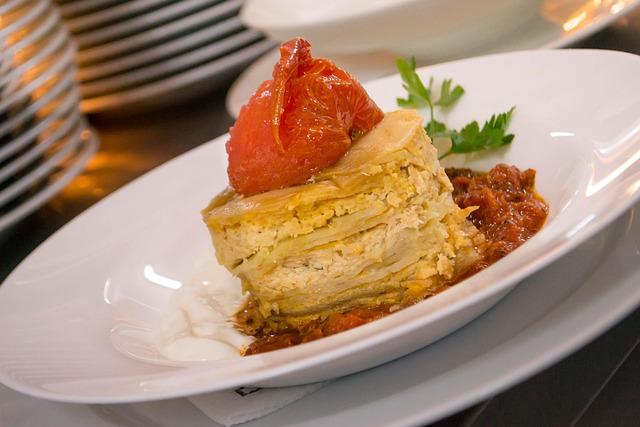
In the world of Italian cuisine, authenticity is everything-and when it comes to lasagna, one traditional Italian chef is making a bold declaration: “No ricotta. Never.” In an exclusive conversation with The Kitchn, the chef shared his time-honored secrets to crafting the best-tasting lasagna, challenging common American adaptations and revealing the true essence behind Italy’s beloved layered pasta dish. This article delves into his culinary philosophy, techniques, and ingredients that elevate lasagna from a simple comfort food to a masterpiece of flavor.
No Ricotta Allowed Discovering the Traditional Secrets Behind Authentic Italian Lasagna
Ricotta cheese, a staple in many American lasagna recipes, finds no place in the traditional Italian preparation, according to a seasoned chef from Bologna whose family has perfected their recipe over generations. The chef emphasizes that the authentic dish relies on the harmony between béchamel sauce and fresh Parmigiano-Reggiano for its creamy texture and rich flavor. In his kitchen, the secret lies not only in avoiding ricotta but also in the meticulous layering of ingredients that balance moisture and firmness:
- Handmade fresh pasta sheets, never dried
- Slow-simmered ragù made from quality cuts of beef and pork
- Silky béchamel sauce, flavored subtly with nutmeg
- Generous grating of Parmigiano-Reggiano cheese
This traditional approach underscores a dedication to simplicity and authenticity, highlighting how each component supports the others without overshadowing them. The chef warns that inserting ricotta can dilute the vibrant flavors and alter the texture, steering the dish away from its roots and turning it into something altogether different.
Mastering the Sauce How Fresh Ingredients and Slow Simmering Elevate Flavor
At the heart of every unforgettable Italian lasagna lies a sauce crafted with thoughtful precision. The chef emphasizes that fresh, high-quality ingredients are non-negotiable, from vine-ripened tomatoes to fragrant garlic and hand-harvested basil. Each component plays a pivotal role in building layers of nuanced flavor. Rather than rushing the process, the sauce benefits from a slow simmering method, which gently melds the acidity of tomatoes with the earthiness of herbs and sweetness of carrots and onions. This deliberate technique transforms simple ingredients into a richly textured, deeply aromatic base that distinguishes an ordinary lasagna from an exquisite one.
- Use whole peeled tomatoes for natural sweetness and tang
- Incorporate soffritto-a finely diced blend of onions, carrots, and celery-for subtle depth
- Simmer the sauce for several hours to allow flavors to fully develop
- Avoid shortcuts like pre-made mixes or excessive seasoning until the end
This patience and respect for the cooking process exemplify traditional Italian culinary craftsmanship, proving that flavor isn’t just about ingredients, but also about honoring their transformation. The result is a sauce that captivates with each bite, marrying freshness with complexity and elevating the lasagna into a timeless dish cherished across generations.
Expert Tips From an Italian Chef Achieving the Perfect Balance of Pasta Cheese and Meat
Mastering the harmony between pasta, cheese, and meat is an art that demands precision and respect for tradition, according to the Italian chef who shared his culinary wisdom. Foregoing ricotta, he emphasizes the importance of using a carefully balanced mixture of béchamel and Parmigiano-Reggiano to achieve that creamy yet savory dimension that defines an exceptional lasagna. The secret lies not only in the ingredients themselves but how they are layered and combined, ensuring that no single element overpowers the dish. The chef insists on freshly made pasta sheets, which offer the perfect texture and absorbency to marry the rich meat sauce and melt-in-your-mouth cheese layers.
His approach to the meat sauce is equally meticulous, favoring a slow-simmered ragù that blends ground beef and pork with a medley of aromatic vegetables and slow-cooked tomatoes, creating a robust but balanced flavor profile. Key tips include:
- Using only high-quality, fresh ingredients to maintain authenticity
- Allowing the ragù to simmer gently for hours to develop depth
- Layering the ingredients thoughtfully Рstarting with b̩chamel to prevent pasta dryness
- A final dusting of Parmigiano before baking for an irresistible golden crust
These insights reveal that achieving the perfect lasagna is as much about patience and technique as it is about ingredient choices, carving a path away from shortcuts and toward an unforgettable, time-honored Italian classic.
In Retrospect
In sharing his unwavering stance-“No ricotta. Never”-the Italian chef not only challenges common lasagna conventions but also invites home cooks to rethink tradition in pursuit of authentic flavor. His insights underscore the importance of technique and ingredients, offering a fresh perspective on a beloved classic. For those eager to elevate their lasagna, his secrets serve as a compelling reminder that sometimes, breaking the rules is the key to extraordinary results.