
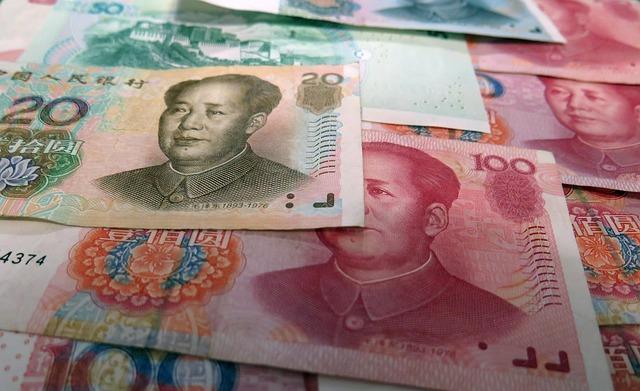
The European Union’s persistent trade deficit with China has become a growing concern for Brussels, with Beijing’s currency policies playing a significant role in the widening gap. As the yuan remains deliberately undervalued, European exports struggle to compete, exacerbating economic imbalances and fueling political tensions. This article examines how China’s currency strategy intensifies the trade deficit and explores potential measures the EU can adopt to address the challenge amid an increasingly complex global trade environment.
China’s Currency Policies and Their Impact on the EU Trade Balance
China’s deliberate management of the yuan has long been a source of tension for European policymakers. By keeping its currency artificially undervalued through a mix of market interventions and capital controls, Beijing effectively makes Chinese exports cheaper and more competitive in global markets, including the EU. This currency manipulation exacerbates the EU’s trade deficit, as European manufacturers find it increasingly difficult to compete with low-priced Chinese goods flooding the market. Economists argue that this tilts the scales unfairly, undermining European industries from textiles to technology, and threatens jobs across the continent.
In response, Brussels has several policy tools at its disposal to mitigate the impact and rebalance trade flows:
- Engaging in coordinated diplomatic pressure within international forums such as the IMF and WTO to push China towards greater currency transparency and flexibility.
- Implementing targeted tariffs on goods deemed unfairly priced due to currency distortions, aiming to level the playing field.
- Supporting EU exporters through subsidies and innovation incentives that enhance competitiveness against undervalued products.
- Strengthening trade agreements that incorporate anti-currency manipulation clauses to deter harmful practices.
While no single measure will instantaneously reverse the trade imbalance, a combination of assertive diplomacy and strategic economic policies could help Brussels safeguard European interests amid ongoing currency disputes.
The Role of Exchange Rate Manipulation in Widening the Deficit
China’s approach to currency valuation has long been a focal point in debates surrounding global trade imbalances. By deliberately keeping the yuan undervalued, Beijing effectively makes its exports cheaper and more competitive in foreign markets. This strategy intensifies the influx of Chinese goods into the EU, putting domestic manufacturers under intense pressure. The undervaluation does not merely distort market dynamics; it actively expands the bloc’s trade deficit by swelling imports while restraining European exports that become relatively more expensive.
To address this challenge, Brussels must consider a multi-faceted response:
- Enhanced monitoring: Establishing more robust mechanisms to track currency movements and identify manipulation patterns swiftly.
- Diplomatic engagement: Strengthening dialogue with China to push for fair currency practices and adherence to international norms.
- Trade policy adjustments: Leveraging tariffs or countervailing measures where manipulation leads to unfair competitive advantages.
- Support for affected industries: Offering targeted aid and investment in sectors most vulnerable to these currency-driven distortions.
Only through a combination of vigilance and strategic action can the EU hope to mitigate the distorting effects of currency policies that exacerbate its trade deficit with China.
Brussels’ Strategic Options to Counteract Currency Distortions and Boost EU Competitiveness
Facing the persistent challenge of currency distortions driven by China’s deliberate undervaluation of the yuan, Brussels is exploring a suite of strategic responses aimed at safeguarding the EU’s economic interests. Among these measures, the implementation of stricter trade defense mechanisms stands out, enabling European industries to better counteract unfair pricing pressures that erode market share and widen trade imbalances. Additionally, policymakers are pushing for enhanced monitoring of foreign exchange practices through reinforced cooperation with the International Monetary Fund (IMF) and the World Trade Organization (WTO), ensuring that currency manipulations are more transparently scrutinized and addressed on the global stage.
To regain competitiveness, the EU is also focusing on long-term initiatives that go beyond reactive measures. These include bolstering innovation ecosystems, investing substantially in green technologies, and restructuring supply chains to reduce dependency on external actors vulnerable to exchange rate volatility. Brussels is considering policy tools such as:
- Targeted tariffs and anti-dumping duties on imports affected by unfair currency practices.
- Fiscal incentives to support domestic manufacturers and exporters adapting to evolving global market conditions.
- Strengthening the euro through coordinated monetary policy to provide a more stable trading currency.
By combining defensive trade policies with proactive economic transformation, the EU aims to not only offset the immediate impact of currency distortions but also position itself as a resilient and innovative player in future global markets.
The Conclusion
As China’s currency policies continue to influence global trade dynamics, the European Union faces mounting pressure to address the growing trade imbalance. Without coordinated and decisive action from Brussels, including potential diplomatic engagement and strategic economic measures, the EU risks further exposing its markets to unfair competition. Navigating this complex relationship will be crucial for safeguarding Europe’s economic interests and ensuring a more balanced and sustainable trade future.