
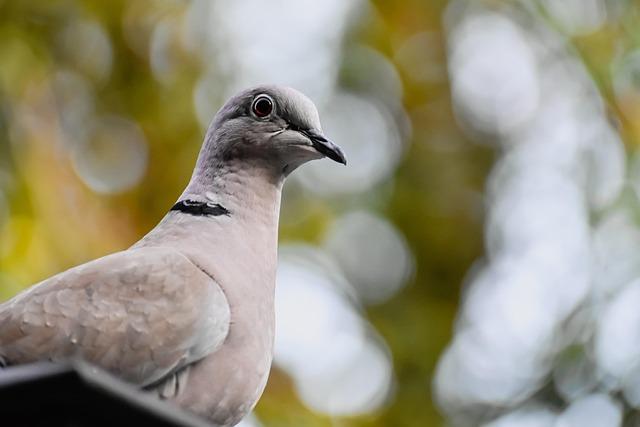
H5 bird flu has been detected in a second Australian state, raising concerns over the spread of the highly contagious avian virus across the country. Officials confirmed the latest case amid ongoing efforts to contain outbreaks and protect both poultry industries and wild bird populations. This development follows earlier detections elsewhere in Australia and underscores the challenges authorities face in managing the disease’s impact.
H5 Bird Flu Cases Confirmed in Victoria Raising Pandemic Concerns
Authorities in Victoria have confirmed multiple cases of the H5 strain of bird flu, marking the second Australian state to report outbreaks of this highly pathogenic avian influenza. This development has intensified concerns among public health officials about the potential for wider spread, given the virus’s rapid transmission among bird populations and the serious implications for both poultry industries and human health. Immediate containment measures have been deployed, including quarantine zones and culling operations to prevent further infections.
Key response strategies include:
- Enhanced surveillance of wild and domestic bird populations.
- Restriction of movement within affected areas to control spread.
- Collaborative monitoring efforts between veterinary and health authorities.
- Public advisories issued on safety precautions for individuals in contact with birds.
Experts warn that ongoing vigilance is critical as the virus continues to evolve, underscoring the delicate balance in managing animal health and mitigating risks of zoonotic transmission to humans.
Impact on Australian Poultry Industry and Biosecurity Measures in Place
The detection of H5 avian influenza in a second Australian state has sent ripples through the nation’s poultry sector, raising concerns about production disruptions and economic fallout. With Australia being a major exporter of poultry products, the threat of widespread infection could lead to significant trade restrictions and loss of consumer confidence both domestically and internationally. Poultry farmers are facing heightened inspections and potential culling, which may impact supply chains and elevate prices. The situation demands prompt containment to prevent further outbreaks that could devastate commercial poultry flocks, potentially leading to reduced output and financial strain for producers.
In response, Australian authorities have swiftly implemented a series of biosecurity measures designed to curb the spread of the virus. These include:
- Strict quarantine protocols for affected areas, restricting movement of birds and poultry products.
- Enhanced surveillance and testing across neighboring farms and wild bird populations.
- Mandatory disinfection procedures for transport vehicles and equipment involved in poultry operations.
- Public advisories urging farmers and industry workers to report any signs of unusual bird mortality immediately.
Authorities emphasize that collaboration between government bodies, industry stakeholders, and local communities is crucial to safeguard Australia’s poultry industry and maintain biosecurity integrity during this critical period.
Experts Advise Enhanced Surveillance and Preventive Actions to Curb Spread
Health authorities and avian disease specialists have underscored the urgency of ramping up monitoring efforts following the recent confirmation of H5 bird flu in a second Australian state. Experts warn that without prompt action, the virus could rapidly spread among local bird populations, with potential spillover effects on poultry farms and even human health. They advocate for a concerted strategy involving enhanced testing protocols, real-time data sharing, and close collaboration between wildlife experts and agricultural agencies to track and contain new outbreaks effectively.
Recommended preventive measures include:
- Implementing rigorous biosecurity controls on poultry farms
- Restricting movement of birds and related equipment across regions
- Increasing public awareness campaigns about early symptoms and reporting procedures
- Conducting regular surveillance in wild bird populations to identify hotspots
Industry leaders also emphasize the importance of preparedness, urging stakeholders to invest in vaccination research and emergency response training. By adopting these proactive steps, authorities hope to mitigate the impact of the virus and protect both animal and public health from escalating risks.
To Conclude
The detection of H5 bird flu in a second Australian state marks a significant development in the country’s ongoing battle against the virus. Authorities continue to monitor the situation closely, implementing measures to contain the spread and protect both poultry industries and wildlife. As investigations proceed, health officials urge vigilance among farmers and the public to minimize risks. Further updates are expected as more information becomes available.