
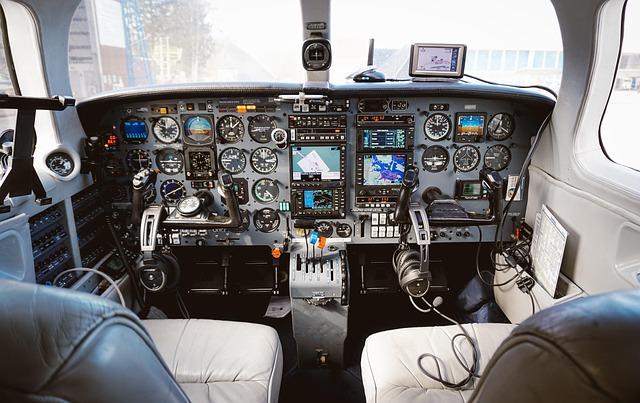
An Air Canada flight departing from New Jersey was forced to divert after crew members removed a pilot who was reportedly incapacitated mid-flight, authorities confirmed. The incident unfolded onboard the aircraft as it was en route, prompting emergency measures to ensure passenger safety. Officials are currently investigating the circumstances surrounding the pilot’s condition and subsequent removal from the cockpit.
Incapacitated Pilot Forces Emergency Diversion of Air Canada Flight from New Jersey
Passengers aboard the Air Canada flight departing from New Jersey experienced a sudden and alarming disruption when the pilot became incapacitated mid-flight. The crew swiftly responded by removing the affected pilot from the cockpit, enabling the co-pilot to assume control. The emergency prompted the flight to divert to the nearest suitable airport, ensuring passenger safety remained the top priority. Emergency responders were on standby upon landing, and no injuries were reported.
Key details of the incident include:
- Flight’s original destination was Toronto Pearson International Airport.
- Swift coordination between flight crew and air traffic control allowed for a safe diversion.
- Passengers described the atmosphere as tense but commended the professionalism of the airline staff.
- Authorities continue to investigate the root cause behind the pilot’s sudden incapacitation.
Authorities and Crew Respond Swiftly to Ensure Passenger Safety During In-Flight Medical Incident
As an Air Canada flight departing from New Jersey encountered an unexpected medical emergency involving the pilot, both onboard crew and ground authorities reacted quickly and decisively to maintain safety and order. Flight attendants promptly secured the cockpit, while coordinating with the co-pilot to stabilize the situation. Passengers were kept informed with clear announcements, emphasizing calm and caution throughout the diversion process.
Immediate response measures included:
- Removing the incapacitated pilot from the cockpit safely.
- Engaging air traffic control to divert the aircraft to the nearest airport for emergency landing.
- Deploying medical personnel on the ground to await the aircraft’s arrival.
- Ensuring continued communication between crew and passengers to alleviate concern.
Recommendations for Enhanced Medical Screening and Emergency Protocols in Commercial Aviation
In light of recent incidents involving pilot incapacitation, there is a pressing need to reevaluate and strengthen medical screening processes within the commercial aviation industry. Implementing more rigorous and frequent health assessments can help identify potential risks before they impact flight safety. These evaluations should include comprehensive cardiovascular screenings, mental health evaluations, and stress management assessments. Additionally, leveraging wearable health technology to monitor pilots’ real-time physiological conditions during flights may offer an innovative solution to early detection of health anomalies.
Emergency protocols must also be revisited to enhance in-flight response capabilities. Airlines should invest in advanced crew resource management training that equips flight attendants and co-pilots with the skills to manage sudden pilot incapacitation effectively. This includes simulated emergency scenarios focusing on swift decision-making and communication with air traffic control and ground support. Furthermore, standardized procedures for immediate cockpit intervention and passenger safety must be clearly established and regularly drilled. Key recommendations include:
- Mandatory in-depth periodic health examinations for pilots.
- Use of biometric monitoring devices with real-time alert systems.
- Enhanced multi-crew training emphasizing shared responsibilities and emergency leadership.
- Clear communication protocols between cockpit and cabin crew for rapid incident escalation.
- Integration of psychological support and stress management resources for flight personnel.
Closing Remarks
As the investigation into the Air Canada incident continues, authorities are working to determine the cause behind the pilot’s sudden incapacitation. Flight safety protocols and emergency measures remain under review to ensure passenger security is upheld in such critical situations. Updates will be provided as more information becomes available.