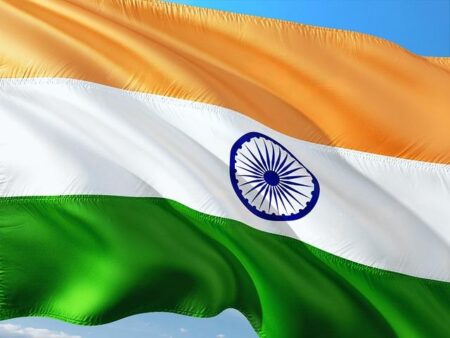
A recent report by PBS has revealed that social media platforms in India continue to circulate hate music, despite clear violations of their own policies. The findings highlight ongoing challenges faced by tech companies in monitoring and curbing content that promotes communal tensions and violence. This study raises critical questions about the effectiveness of existing regulations and the responsibility of digital platforms in safeguarding social harmony in one of the world’s largest online markets.
Social Media Platforms’ Role in Amplifying Hate Music Across India
Recent investigations reveal that several popular social media platforms have become conduits for the widespread dissemination of hate music across India, despite existing community guidelines and content policies designed to curb such material. These platforms often fail to implement effective moderation, allowing content that promotes divisive narratives and incites animosity against various communities to flourish unchecked. The report highlights that automated detection mechanisms are either inadequate or inconsistently applied, resulting in prolonged exposure of viewers to inflammatory lyrics and visuals that fuel communal tensions.
The study underscores several critical concerns regarding the digital ecosystem’s role in propagating hate-driven content:
- Algorithmic amplification: Recommendation systems tend to increase the visibility of sensationalist and provocative music, inadvertently promoting hate speech.
- Delayed content removal: Instances where hate music violates platform policies but remains online for extended periods before any action is taken.
- Lack of transparency: Users and watchdog organizations face difficulties in understanding how these platforms evaluate and enforce guidelines related to hate speech.
The report calls for stricter enforcement measures, greater transparency, and collaborations with civil society groups to ensure that social media platforms adhere to their stated commitments and contribute positively to India’s diverse cultural landscape.
Policy Gaps and Enforcement Challenges Undermining Content Regulation
Despite existing regulations targeted at curbing hate speech and harmful content on social media, significant lapses remain evident in the enforcement mechanisms across platforms operating in India. The lack of clear guidelines tailored to the nuances of “hate music” has led to inconsistent moderation, allowing such content to proliferate unchecked. Compounding the issue are vague definitions within policies, which create loopholes exploited by creators and distributors to evade penalties. This regulatory ambiguity not only hampers proactive intervention but also leaves victims without adequate recourse, undermining public trust in digital governance.
Enforcement agencies and platform moderators face numerous obstacles, including:
- Limited resource allocation for systematic content review, causing delays and oversight.
- Technological constraints in detecting coded language and regional dialects prevalent in hate music.
- Jurisdictional challenges that complicate cross-border accountability.
- Pressure from political and commercial interests influencing content removal decisions.
These challenges reveal a critical gap between policy intent and practical application, suggesting that refined legislation alongside advanced technological tools and robust accountability frameworks are urgently needed to curb the spread of inflammatory content on social media channels.
Experts Call for Stricter Monitoring and Transparent Accountability Measures
In response to rising concerns, specialists emphasize the urgent need for digital platforms to adopt more rigorous monitoring mechanisms to curb the circulation of hate music content. According to experts, the existing automated moderation tools fail to effectively detect nuanced cultural and linguistic hate speech embedded in songs. They argue that without human oversight and context-aware algorithms, harmful content will continue to evade detection and spread rapidly, inciting communal tensions.
- Implement advanced AI coupled with regional language expertise.
- Increase transparency in content takedown processes.
- Establish independent review boards involving civil society.
- Publish regular, detailed accountability reports accessible to the public.
Furthermore, calls for transparent accountability measures have grown louder, with advocates urging social media giants to disclose clear data on policy enforcement and violations. This transparency, they contend, will empower users and regulators alike to hold platforms responsible, ensuring that guidelines are not only well-defined but also uniformly applied. Without these reforms, the cycle of policy breaches and unchecked hate speech is likely to persist, undermining India’s social fabric and online safety.
Final Thoughts
As social media platforms continue to wield significant influence over public discourse in India, the new report underscores the urgent need for stricter enforcement of content policies to curb the spread of hate music. Despite existing guidelines, the persistence of such content highlights gaps in moderation and accountability. Moving forward, stakeholders-including platform providers, regulators, and civil society-must collaborate to ensure that digital spaces do not become avenues for incitement and division, preserving social harmony in an increasingly connected nation.