
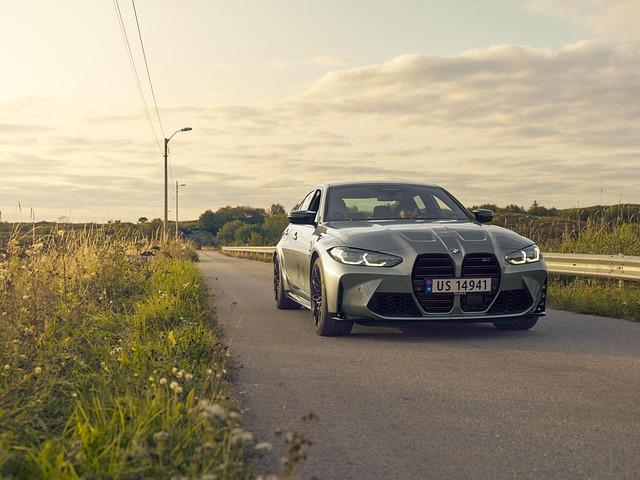
In the face of China’s rapidly expanding presence in the global premium electric vehicle market, Europe’s automotive industry is rallying to maintain its competitive edge. BMW’s newly launched iX3, a flagship electric SUV, symbolizes this strategic push to counter the growing influence of Chinese EV manufacturers. As the premium segment becomes increasingly contested, Europe’s established carmakers are seeking support to safeguard their market share and innovation leadership against an assertive Chinese advance. This development, highlighted in Forbes, underscores the broader geopolitical and economic stakes entwined with the evolving electric vehicle landscape.
BMW’s Strategic Launch of the New iX3 Targets Growing Chinese Premium EV Market
BMW’s unveiling of the new iX3 underscores the German automaker’s aggressive push into China’s burgeoning premium electric vehicle market. Positioned as a pivotal model in BMW’s lineup, the iX3 combines cutting-edge battery technology with a sleek design to meet the demands of increasingly eco-conscious Chinese consumers. The launch not only symbolizes BMW’s commitment to electrification but also reflects a strategic bet on solidifying its foothold in a market dominated by both domestic EV players and international rivals.
To capitalize on this growth, BMW is rolling out tailored marketing campaigns, expanding local partnerships, and enhancing charging infrastructure in key urban centers. Key features driving interest include:
- Extended driving range with fast-charging capability
- Luxurious interiors equipped with the latest digital connectivity
- Localization of production to reduce costs and improve market responsiveness
As European OEMs face intensifying competition from Chinese luxury EV brands, the iX3 represents a critical tool in slowing their momentum and reclaiming consumer loyalty in the premium segment.
Europe’s Challenge in Countering China’s Expanding Influence in the Luxury Automotive Sector
Europe’s automotive landscape is at a pivotal crossroads as Chinese manufacturers aggressively penetrate the luxury electric vehicle (EV) market. With brands like NIO, XPeng, and BYD rapidly enhancing their design, technology, and brand prestige, European giants such as BMW face intensified competition not only in traditional combustion engines but in the fast-growing premium EV segment. The challenge lies in sustaining innovation while countering subsidized Chinese imports that threaten to erode Europe’s market share and technological leadership.
To maintain its global dominance, Europe must rally behind homegrown champions like BMW, whose newly released iX3 electric SUV embodies cutting-edge technology and European craftsmanship. Key strategies include:
- Investing in advanced battery technology to improve range and efficiency.
- Enhancing local supply chains to reduce reliance on foreign components.
- Promoting sustainable manufacturing practices that resonate with eco-conscious consumers.
- Leveraging governmental support through incentives and trade policies that balance fair competition.
Europe’s ability to curb China’s premium automotive advance hinges on a unified approach that couples innovation with strategic policy, ensuring that brands like BMW continue to define luxury and performance in a rapidly evolving market.
Policy Recommendations and Industry Tactics to Strengthen European Competitiveness Against China
Europe’s automotive sector stands at a critical crossroads as Chinese manufacturers increasingly capture premium electric vehicle market share. To counterbalance this trend, policymakers should implement robust frameworks that incentivize innovation while safeguarding strategic technologies. Key measures include strengthening research and development funding, particularly in battery technology and autonomous driving systems, and enhancing trade policies to protect European intellectual property rights. Additionally, the EU must improve regulatory agility, ensuring faster approval processes for cutting-edge vehicle technologies without compromising safety and environmental standards.
Industry leaders like BMW must also recalibrate their strategies to reclaim dominance. Emphasis on collaborative ventures with local tech startups can accelerate innovation cycles and diversify technological capabilities. Investing heavily in the expansion of sustainable production facilities across Europe will reduce dependence on foreign supply chains and bolster regional economies. Furthermore, an aggressive marketing push that highlights the blend of *German engineering excellence* with Europe’s green energy transition could resonate strongly with global consumers wary of geopolitical uncertainties. Together, these combined efforts can form a formidable bulwark to slow China’s premium electric vehicle advance.
Closing Remarks
As BMW transitions to its new iX3 model, the challenges facing European automakers in countering China’s growing dominance in the premium electric vehicle market become increasingly clear. The battle for technological leadership and market share is intensifying, with implications not only for the automotive sector but for broader economic and geopolitical dynamics. How Europe responds in the coming years will be critical in shaping the future landscape of premium EVs-and whether it can maintain its position against China’s rapid advance.