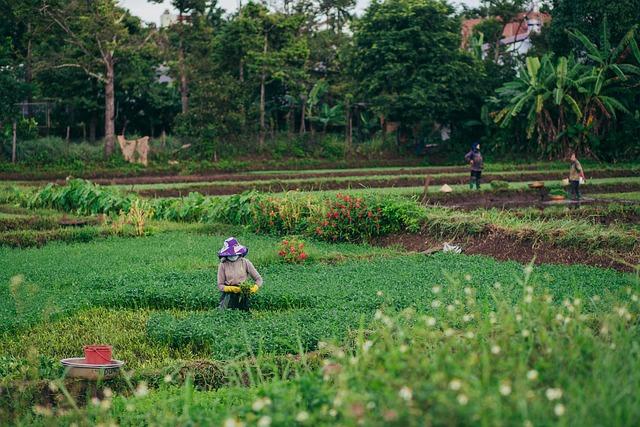
As an unprecedented heatwave scorches Italy, farm workers across the country are facing relentless temperatures with scant relief. Many laborers, already enduring grueling hours under the sun, find themselves exposed to dangerous conditions with limited access to shade, water, or adequate breaks. This growing crisis highlights the intersection of climate change and labor rights, as vulnerable migrant workers disproportionately bear the brunt of soaring heat, raising urgent questions about workplace protections and social justice.
Farm Workers Face Unrelenting Heat as Italy’s Record-Breaking Heatwave Intensifies
As temperatures soar beyond previous records, Italy’s agricultural workforce is bearing the brunt of relentless heat with little relief. Workers in sprawling fields and greenhouses endure sweltering conditions for hours on end, often without adequate access to shade or sufficient water breaks. The grueling environment not only heightens the risk of heatstroke but also amplifies existing physical and mental exhaustion, putting their health and livelihoods in jeopardy.
Key challenges faced by farm workers amid the heatwave include:
- Prolonged exposure to direct sunlight without protective measures
- Limited availability of cooling stations or rest areas
- Increased dehydration due to insufficient water access
- High risk of heat-related illnesses without adequate medical support
Despite warnings issued by health authorities and labor organizations, many workers remain on the front lines with minimal intervention or policy protections. Advocates are now calling for urgent reforms, including mandatory heat safety protocols and improved working conditions, to safeguard this vulnerable segment of Italy’s essential labor force as the climate crisis intensifies.
Lack of Access to Shade and Water Exacerbates Health Risks for Agricultural Laborers
As temperatures soar across Italy, farm workers face perilous conditions with minimal relief. Many laborers spend long hours under the blistering sun, often with no shaded areas nearby to seek refuge. The lack of proper rest spots not only intensifies heat exposure but also heightens the risk of dehydration and heatstroke. Despite the evident dangers, employers frequently neglect to provide adequate shade structures, leaving workers vulnerable during peak heatwave periods.
Access to clean drinking water remains another critical challenge. Workers frequently report insufficient water supplies or the need to ration their intake to avoid frequent breaks, which impacts both their health and productivity. Key factors contributing to these hazardous conditions include:
- Inadequate provisions for shade or cooling stations across large agricultural fields
- Limited availability of potable water resulting from poor infrastructure or employer negligence
- Extended shifts that reduce opportunities for workers to recover from extreme heat
Health experts warn that without immediate intervention, the cumulative effects of heat stress could lead to severe, lasting consequences for these essential workers, many of whom are already vulnerable due to precarious employment statuses.
Experts Urge Immediate Policy Changes to Protect Vulnerable Workers from Extreme Temperatures
As temperatures soar to unprecedented levels across Italy, farm workers – many of whom are migrants – are bearing the brunt of relentless heatwaves with minimal protection. Experts warn that without swift policy interventions, these laborers face escalating risks of heatstroke, dehydration, and long-term health complications. Currently, many do not have access to adequate shade, water, or scheduled breaks, conditions exacerbated by the absence of enforceable national regulations tailored to extreme weather incidents.
Advocacy groups and occupational safety specialists are calling for urgent measures, including:
- Mandatory access to shaded rest areas and hydration stations in all agricultural workplaces.
- Enforced limits on outdoor labor hours during peak heat to reduce exposure.
- Comprehensive training for employers and workers on recognizing and responding to heat-related health issues.
- Integration of real-time weather alerts with proactive workplace protocols.
Without these crucial reforms, the most vulnerable workers remain trapped in hazardous conditions, highlighting an urgent need for systemic change to safeguard their well-being amid a changing climate.
In Summary
As temperatures continue to soar across Italy, the plight of farm workers exposed to relentless heatwaves remains a pressing concern. With limited access to cooling facilities and protective measures, these essential laborers face heightened health risks amid worsening climate conditions. Addressing their vulnerability calls for urgent policy action and improved working conditions to ensure their safety and dignity in the face of an unforgiving environment.