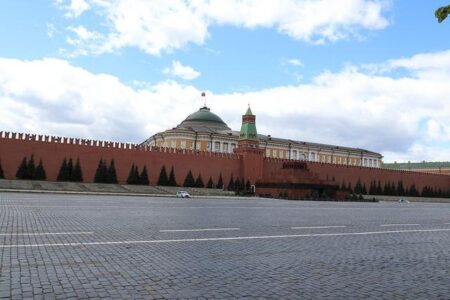
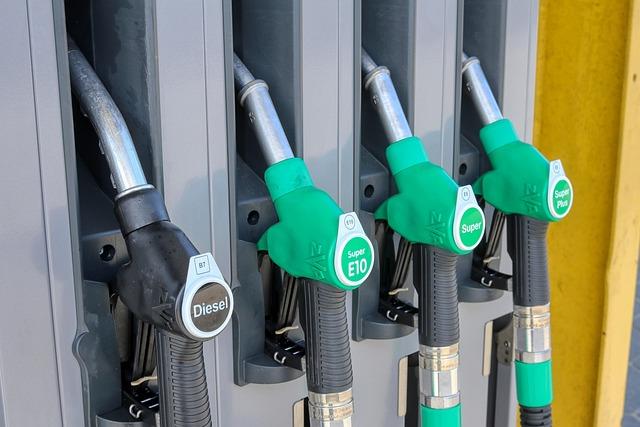
Russia is grappling with a worsening fuel crisis as a series of Ukrainian drone strikes have targeted key energy infrastructure, exacerbating shortages across the country. According to reports from Al Jazeera, these attacks have disrupted supply chains and led to spikes in fuel prices, further intensifying the challenges faced by Russian authorities amid ongoing geopolitical tensions. The escalating situation underscores the vulnerability of Russia’s energy sector and raises questions about the broader impact on regional stability.
Russia Faces Escalating Fuel Shortages as Ukrainian Drone Strikes Target Key Infrastructure
Recent Ukrainian drone operations have significantly disrupted Russia’s fuel supply chain, targeting pivotal oil depots and refining facilities across western regions. These calculated strikes have led to widespread fuel shortages, affecting both civilian sectors and military logistics. Reports indicate that transportation and heating services in several Russian cities are now facing severe constraints, sparking concerns over economic stability and public unrest. Authorities have responded with emergency rationing measures, though experts warn these may only offer temporary relief amid escalating tensions.
Key impacts include:
- Shutdowns of major refineries reducing fuel output by an estimated 30%.
- Delays and disruptions in fuel distribution networks across multiple provinces.
- Increased operational challenges for Russian armed forces reliant on steady fuel reserves.
Analysts suggest that these targeted attacks aim to weaken Russia’s operational capabilities without escalating direct confrontation, representing a strategic shift in Ukraine’s defense tactics. The ongoing fuel scarcity is expected to ripple through multiple sectors, potentially reshaping Russia’s domestic and military posture in the coming months.
Economic and Social Impacts Ripple Across Russian Regions Amid Ongoing Energy Disruptions
The ongoing energy disruptions in Russia have triggered profound economic challenges across multiple regions. Industrial output, especially in heavy manufacturing areas, has been scaled back dramatically due to fuel shortages. Key sectors such as steel production and chemical manufacturing report delays, threatening to disrupt supply chains both domestically and for export markets. Additionally, transportation networks reliant on consistent fuel supplies are facing operational hurdles, leading to increased logistical costs and delivery delays nationwide.
Social repercussions are equally concerning as communities in affected regions grapple with rising fuel prices and limited availability. Household heating, particularly critical during the approaching winter months, has become a pressing issue, exacerbating living conditions for vulnerable populations. Bold regional disparities have emerged, with rural areas experiencing more acute hardships. The situation has sparked:
- Public protests in cities like Vladivostok and Yekaterinburg demanding government intervention.
- Increased reliance on informal fuel markets, often at inflated costs.
- Heightened economic anxiety leading to reduced consumer spending and growing unemployment rates.
Experts Urge Strategic Diversification and Emergency Measures to Mitigate Fuel Supply Challenges
In response to the escalating disruptions in Russia’s fuel supply chain following recent Ukrainian drone attacks, energy analysts and industry experts emphasize the imperative need for a multifaceted approach to stabilize the market. They advocate for accelerated strategic diversification of fuel sources, calling for a shift away from overreliance on vulnerable pipelines and refineries. This includes expanding imports from alternative regional suppliers and increasing investments in renewable energy infrastructure to create a more resilient energy ecosystem. Experts warn that without swift adaptation, continuing bottlenecks could exacerbate shortages, driving prices further upward and triggering wider economic instability.
Moreover, governments and corporations are being urged to implement immediate emergency measures to buffer the short-term impact on consumers and critical industries. Proposed actions include:
- Establishment of fuel reserves to cushion supply shocks and ensure availability for essential services
- Optimized fuel rationing programs to prioritize critical sectors and reduce non-essential consumption
- Enhanced cross-border energy cooperation to facilitate smoother supply chains amid geopolitical tensions
These recommendations come amid growing concerns that the conflict-driven disruptions could ripple far beyond Russia’s borders, underscoring the urgency for a coordinated energy security strategy at both national and international levels.
Final Thoughts
As Russia grapples with worsening fuel shortages amid ongoing Ukrainian drone strikes, the nation’s energy infrastructure faces unprecedented strain. Analysts warn that without swift measures to bolster supply chains and protect critical assets, the crisis may deepen, potentially impacting both domestic stability and Russia’s broader geopolitical ambitions. The situation remains fluid, with developments closely monitored by international observers concerned about the wider ramifications for regional energy markets.