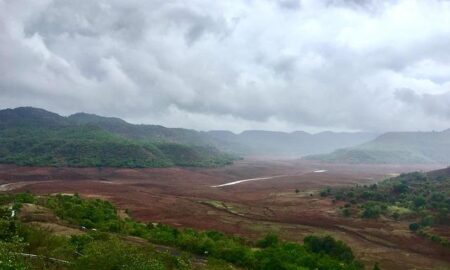

India has recorded its fifth driest June since 1901, according to official meteorological data, as the onset of the crucial monsoon season continues to lag behind schedule. The delayed and deficient rainfall has raised concerns over agricultural output, water supply, and the broader economic impact in the coming months. This shortfall underscores the increasing variability in India’s monsoon patterns, which millions depend on for farming and livelihoods.
India Faces Severe Water Stress as Monsoon Rains Fall Significantly Below Average
India is grappling with a critical water shortage as the monsoon season, a lifeline for the nation’s agriculture and water reserves, delivers significantly less rainfall than usual. June, a pivotal month marking the beginning of the monsoon period, recorded the fifth driest rainfall level since 1901. This shortfall has amplified concerns among farmers, policymakers, and environmentalists alike, as the reduced precipitation threatens crop yields and strains already depleted reservoirs across multiple states. Several key regions, especially in central and western India, have reported rainfall deficits exceeding 30% compared to long-term averages, intensifying the risk of drought conditions.
The ramifications extend beyond agriculture, affecting urban water supply and hydroelectric power generation. Authorities are now tasked with implementing stringent water conservation measures and accelerating drought relief efforts to mitigate the impact. The crisis has triggered:
- Heightened alertness in water-stressed regions
- Increased use of groundwater sources, raising sustainability concerns
- Calls for enhanced infrastructure investments to ensure better water management
As climate variability continues to challenge traditional weather patterns, experts underscore the urgency of adopting innovative water management policies and strengthening resilience against future monsoon failures.
Agricultural Output at Risk Amid Prolonged Dry Spell and Delayed Seasonal Rains
The lack of timely monsoon showers has critically impacted sowing activities across key agricultural belts, raising alarms over the potential toll on crop yields this season. Farmers in rain-dependent regions are facing increasing challenges as water scarcity tightens its grip, threatening staples such as rice, wheat, and pulses. Government agencies are actively monitoring irrigation reservoirs and groundwater levels, which have dipped to concerning lows, further complicating efforts to sustain cultivation during this unusually dry spell. The prolonged drought conditions have also heightened the risk of pest infestations and soil degradation, factors that could severely undermine the quality and volume of agricultural output.
In response to the looming agrarian crisis, authorities have outlined several immediate measures to mitigate damage:
- Augmented water management: Promoting efficient irrigation systems to conserve scarce water resources.
- Crop diversification: Encouraging farmers to plant drought-resilient crops to adapt to erratic rainfall.
- Financial support: Expediting drought relief funds and loans aimed at sustaining smallholder farmers.
Despite these strategies, experts warn that without an early and robust monsoon revival, the agricultural sector may face reduced productivity, propelling food prices upward and exacerbating rural economic distress.
Experts Urge Immediate Government Action to Implement Water Conservation and Drought Mitigation Measures
With June marking one of the driest months in over a century, water scarcity concerns have escalated across India, pushing experts to call for immediate and comprehensive intervention. Hydrologists and climate scientists emphasize the urgency of deploying robust water conservation strategies that not only address current deficits but also build resilience against future climate variability. Key recommendations include:
- Enhanced rainwater harvesting systems at both urban and rural levels to maximize capture during sporadic rainfall events.
- Promotion of micro-irrigation techniques such as drip and sprinkler systems to increase water use efficiency in agriculture.
- Revival and maintenance of traditional water bodies, including ponds and lakes, to restore natural groundwater recharge cycles.
Experts also advocate for coordinated policy frameworks that integrate drought monitoring, early warning mechanisms, and community-driven water management practices. They warn that without swift government involvement, the compounded effects of reduced monsoon rainfall and rising demand could severely impact food security and public health. Electrifying rural water infrastructure powered by renewable energy sources and setting strict regulation on groundwater extraction are additional measures under discussion to mitigate the impending crisis.
The Way Forward
As India grapples with its fifth driest June since 1901, the delayed and deficient monsoon rains pose significant challenges for agriculture, water resources, and overall economic growth. With critical sowing seasons underway, policymakers and farmers alike face mounting pressure to adapt to these climatic setbacks. Continuous monitoring and responsive measures will be essential in mitigating the broader impacts of this anomalous monsoon pattern as the country navigates the months ahead.