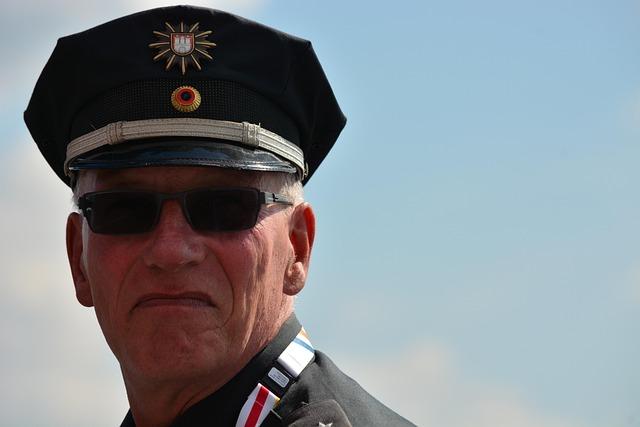
A security guard trapped in a building basement for eight days following powerful earthquakes in Venezuela has been rescued, authorities confirmed on Friday. The incident highlights the ongoing rescue efforts in the wake of the seismic disaster that struck the region earlier this month. Emergency teams continue to work tirelessly amid challenging conditions to locate and assist survivors in affected areas.
Security Guard Survives Eight Days Trapped in Venezuela Earthquake Basement
In a remarkable tale of survival and resilience, a security guard emerged alive after spending eight harrowing days trapped beneath the rubble following the recent earthquakes that devastated parts of Venezuela. Rescue teams discovered him in the basement of a severely damaged building, where he had endured isolation with limited food and water. Despite the dire conditions, the man remained conscious and communicated with rescuers, providing vital information about his surroundings and physical state.
The rescue operation highlighted the challenges posed by unstable structures and the urgency of rapid response in disaster zones. Authorities praised the collaborative efforts of emergency personnel and local volunteers, emphasizing the critical role of:
- Advanced search and rescue technologies employed during the mission, including thermal imaging and audio detection devices.
- Community awareness and preparedness, which helped expedite the initial alert and subsequent action.
- Medical support teams who were ready to provide immediate care upon his extraction from the debris.
This case sheds light on the human spirit’s tenacity and the importance of coordinated disaster response efforts amidst Venezuela’s ongoing recovery endeavors.
Rescue Efforts Reveal Challenges in Disaster Response Infrastructure
The dramatic rescue of a security guard trapped in a building basement for eight days following the devastating earthquakes in Venezuela has cast a harsh spotlight on the country’s disaster response capabilities. Despite the tireless efforts of local rescue teams and international aid organizations, critical gaps in infrastructure and emergency preparedness became apparent. Delays in communication, limited access to advanced search-and-rescue technology, and inadequate coordination among agencies hampered swift action, prolonging the victim’s time underground.
Key challenges highlighted by the rescue operation include:
- Poorly maintained emergency response equipment unable to handle complex urban collapse scenarios.
- Insufficient training and resources for first responders working under extreme conditions.
- Breakdowns in communication networks, complicating coordinated relief efforts.
- Lack of clear protocols for rapid victim location and extraction in confined spaces.
Authorities have acknowledged these shortcomings and pledged reforms aimed at strengthening disaster management systems. However, experts warn that without significant investment and structural changes, the resilience of Venezuela’s disaster response infrastructure will remain fragile as the region faces increasing risks from natural calamities.
Improving Emergency Preparedness and Support for Vulnerable Workers in Crisis Zones
In the wake of recent devastations, the harrowing rescue of a security guard trapped beneath a collapsed building for over a week has thrust the critical vulnerabilities faced by frontline workers into the spotlight. These individuals, often overlooked in crisis response frameworks, endure disproportionate risks without adequate emergency support. The incident underscores the urgent need for systematic improvements, including enhanced communication networks, comprehensive risk assessments, and tailored evacuation protocols specifically designed for vulnerable workers operating in high-risk zones.
Key strategies gaining traction among experts include:
- Integration of real-time tracking devices to monitor worker locations during disasters.
- Specialized training programs aimed at equipping workers with basic survival and first aid skills.
- Establishment of rapid response teams dedicated to swift extraction and medical assistance.
- Collaboration between employers, government agencies, and humanitarian organizations to create resilient support infrastructures.
By prioritizing these measures, authorities hope to minimize the perilous lag between disaster occurrence and effective intervention, thereby safeguarding lives and reinforcing the resilience of essential workers in the most vulnerable environments.
Future Outlook
The dramatic rescue of the security guard from the building’s basement, eight days after the devastating earthquakes in Venezuela, highlights both the resilience of survivors and the ongoing challenges faced by rescue teams in the disaster’s aftermath. As recovery efforts continue, authorities remain focused on finding and aiding those still trapped or affected by the tremors, underscoring the urgent need for support and resources in the region.