
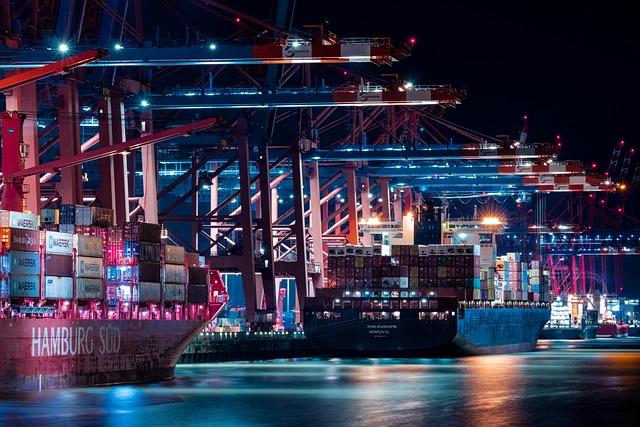
A leading environmental and human rights group has filed a landmark case at the United Nations, alleging that Australia’s coal and gas exports contribute to global climate change in ways that violate fundamental human rights. The complaint, highlighted in a recent BBC report, accuses the Australian government of failing to address the devastating impacts of fossil fuel-driven emissions on vulnerable communities worldwide. As the world grapples with the urgent need to reduce carbon emissions, this unprecedented legal challenge shines a spotlight on the complex intersection of energy policy, environmental justice, and international accountability.
Australia Faces UN Scrutiny Over Coal and Gas Exports Impacting Global Human Rights
A coalition of environmental and human rights organizations has formally submitted a case to the United Nations, alleging that Australia’s thriving coal and gas export industry is complicit in violating the fundamental rights of communities worldwide. The group argues that the fossil fuel commodities shipped from Australia significantly contribute to climate change, exacerbating harmful conditions such as extreme weather events, food insecurity, and displacement, which disproportionately affect vulnerable populations. They assert that the Australian government has failed to uphold its international human rights obligations by allowing expanded fossil fuel production and exportation without adequate measures to mitigate the global impact.
Key points highlighted by the coalition include:
- Environmental degradation: The acceleration of climate change due to greenhouse gas emissions tied to exported coal and gas.
- Violation of Indigenous rights: The expansion of mining operations on native lands with insufficient consultation.
- Global responsibility: The moral and legal duty for Australia to reduce contributions to global fossil fuel demand.
The UN is expected to review the submission carefully as it could set a precedent for holding fossil fuel-exporting nations accountable for the transboundary human rights implications of their economic activities.
Environmental Group Details Human Rights Violations Linked to Fossil Fuel Exports
An international environmental organization has submitted a groundbreaking complaint to the United Nations, accusing Australia’s extensive coal and gas export activities of causing significant human rights infringements. The group asserts that the country’s reliance on fossil fuel exports is directly linked to adverse impacts on vulnerable populations worldwide, including increased displacement, health crises, and the exacerbation of climate-induced disasters. The complaint emphasizes that despite global awareness of climate change’s human toll, Australia continues to prioritize economic gain from fossil fuels over international commitments to protect human rights.
Highlighting several critical points, the group draws attention to:
- Indigenous communities worldwide suffering from dwindling resources and disrupted livelihoods due to climate degradation.
- The role of Australian fossil fuel exports in fueling global carbon emissions, contributing to extreme weather events.
- Accountability gaps where domestic policies fail to address the international consequences of fossil fuel-driven climate change.
This case represents a shift in framing environmental damage as a violation of fundamental freedoms and human security, signaling potential legal and diplomatic ramifications for countries heavily involved in fossil fuel markets.
Calls for Urgent Policy Reforms to Align Australia’s Energy Sector with International Human Rights Standards
The escalating concerns over Australia’s coal and gas exports have ignited a powerful demand for immediate and comprehensive reforms in the nation’s energy policies. Advocates argue that the continued reliance on fossil fuels directly undermines international human rights commitments, particularly those related to the right to a healthy environment, public health, and the protection of vulnerable communities disproportionately impacted by climate change. The newly filed case at the United Nations highlights how current practices contradict Australia’s obligations under global human rights frameworks, prompting calls for a fundamental reevaluation of energy production and export strategies.
Key policy adjustments emphasized by experts and civil society organizations include:
- Phasing out coal and gas exports in favor of investments in renewable energy infrastructure.
- Implementing stricter environmental impact assessments that incorporate human rights considerations before project approvals.
- Enhancing transparency and accountability within the energy sector to ensure compliance with international standards.
- Prioritizing the rights of Indigenous peoples and local communities affected by resource extraction and export activities.
These measures are deemed essential not only for aligning Australia’s energy sector with human rights laws but also for fulfilling its broader climate commitments amid growing global scrutiny.
To Conclude
As Australia faces mounting scrutiny over its role in the global climate crisis, the new UN case brought forward by advocacy groups underscores the growing link between fossil fuel exports and human rights violations. The outcome of this legal challenge could set a significant precedent on how countries are held accountable for their environmental impact beyond their borders. As the international community watches closely, the debate over balancing economic interests with human rights and climate responsibility is poised to intensify.