
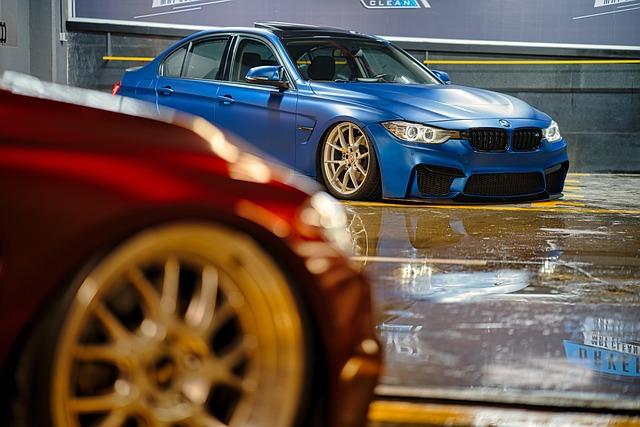
BMW Group India has announced a landmark performance in the first half of 2026, achieving record sales figures bolstered by a significant surge in electric vehicle (EV) adoption. With electric models accounting for 26 percent of total sales, the luxury automaker underscores its accelerating transition toward sustainable mobility in the Indian market. This milestone reflects BMW Group India’s strategic emphasis on electrification amid growing consumer demand and government incentives, positioning the company at the forefront of the country’s shift to greener transportation.
BMW Group India Reports Unprecedented H1 2026 Sales Growth Driven by Electric Vehicles
BMW Group India has delivered an extraordinary performance in the first half of 2026, registering a remarkable surge in sales that underscores its leadership in the premium automotive segment. The company reported a robust growth trajectory, with electric vehicles (EVs) accounting for an impressive 26 percent of total sales-an industry-first milestone for the brand in India. This surge highlights a significant shift in consumer preference towards sustainable mobility, fueled by BMW’s expanded EV portfolio and aggressive market penetration strategies.
Key factors driving this unprecedented growth include:
- Expanded EV lineup: Launch of multiple new fully electric models catering to diverse customer segments.
- Enhanced charging infrastructure: Collaborations with partners to increase accessibility and convenience for EV owners.
- Government incentives: Benefiting from supportive policies aimed at accelerating electric mobility adoption.
- Brand loyalty and innovation: Continued investment in cutting-edge technology and premium customer experience.
BMW Group India’s dynamic approach not only reflects a strong commitment to sustainability but also sets a benchmark for other automakers in the region aspiring to embrace electrification aggressively.
Detailed Analysis of Electric Vehicle Adoption and Market Dynamics in India
India’s electric vehicle (EV) landscape is evolving rapidly, fueled by robust government initiatives, growing consumer awareness, and significant investments by automakers. BMW Group India’s remarkable achievement, with electric vehicles constituting 26% of their H1 2026 sales, underscores the accelerating demand for electrified mobility in the country. This surge is a clear indicator of shifting buyer preferences, driven largely by enhanced EV infrastructure, reduced battery costs, and rising fuel prices. Moreover, luxury and premium segments, traditionally slower in adopting EVs, are witnessing a significant transformation as brands introduce compelling models that blend performance with sustainability.
Market dynamics behind this growth include:
- Government incentives: Tax benefits, subsidies, and relaxed regulations encouraging both manufacturers and consumers.
- Improving charging infrastructure: Expansion of fast-charging networks in urban and semi-urban regions.
- Technological advancements: Breakthroughs in battery efficiency and range that reduce consumer range anxiety.
- Corporate sustainability goals: Increasing investment from automakers to meet stricter emission norms and environmental commitments.
As the EV ecosystem matures, India’s market is poised to experience sustained growth, with premium players like BMW paving the way for mainstream adoption. The shift is not merely an industry trend but a broader cultural movement towards clean, efficient, and intelligent transportation solutions.
Strategic Recommendations for Sustaining Momentum in India’s EV Sector
To maintain the robust growth trajectory witnessed in India’s EV market, it is crucial for industry leaders and policymakers to invest strategically in expanding the charging infrastructure across urban and rural areas alike. Fast-charging stations, coupled with renewable energy integration, will not only enhance consumer convenience but also reduce the carbon footprint associated with electric mobility. Encouraging public-private partnerships can accelerate deployment while fostering a competitive market that drives innovation and cost efficiency. Additionally, incentivizing localized manufacturing of key components such as batteries and power electronics will help reduce dependency on imports, strengthen supply chains, and create jobs within the country.
Beyond infrastructure, sustained consumer adoption relies heavily on targeted awareness campaigns and flexible financing options that make EVs accessible to a wider audience. Subsidies tailored for low- and middle-income buyers, along with battery leasing models, could significantly lower the entry barriers for new users. Furthermore, integrating electric vehicles into shared mobility platforms and last-mile delivery services presents a dual opportunity to boost usage while enhancing urban air quality. Policymakers should also prioritize continuous research and development support to foster breakthroughs in battery technology and fuel cell systems, ensuring India remains competitive in the evolving global EV landscape.
To Conclude
BMW Group India’s outstanding performance in the first half of 2026, marked by record sales and an impressive 26 percent contribution from electric vehicles, underscores the company’s growing foothold in the country’s evolving automotive landscape. As India accelerates its transition towards sustainable mobility, BMW’s strong momentum in electric vehicle adoption positions it as a key player in shaping the future of transportation. The company’s continued innovation and commitment to green technology will be critical as the market dynamics shift, setting the stage for further growth in the months ahead.