
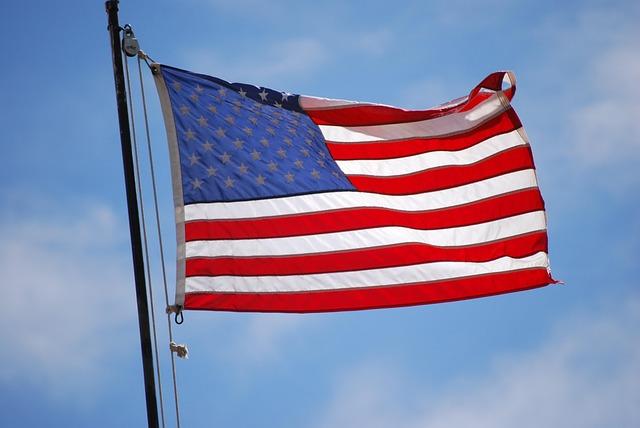
A new poll charting the state of patriotism across the United States, Europe, and Canada reveals striking variations in how citizens perceive national pride and identity. Conducted amid a shifting global landscape marked by political polarization and debates over national values, the survey offers fresh insights into the divergent attitudes toward patriotism in Western democracies. This analysis from Politico breaks down the data, highlighting key differences and commonalities that underscore the evolving nature of national allegiance on both sides of the Atlantic.
Patriotism Trends Across the US Europe and Canada Reveal Shifting National Sentiments
Recent polling data highlights a complex and evolving landscape of national pride across the United States, Europe, and Canada. In the US, a rise in patriotic sentiment aligns closely with political divides, where younger generations tend to express a more critical view of national identity, contrasted by older demographics who show stronger allegiance to traditional symbols and narratives. Meanwhile, European countries reveal varied attitudes influenced by ongoing debates about immigration, economic stability, and regional integration. Notably, in several Western European nations, patriotism now often coexists with a growing emphasis on multiculturalism and global cooperation, signaling a nuanced approach to national loyalty.
Canada’s patriotism presents a distinctive blend, characterized by strong attachment to multicultural values and social inclusiveness. The data suggests that Canadians largely express pride in their country’s diversity and social policies rather than traditional icons of nationalism. Across all three regions, common themes emerge:
- Generational shifts: Younger populations question established patriotic symbols more frequently.
- Political polarization: National pride is increasingly linked to partisan identity.
- Globalization’s impact: Cross-border cooperation challenges traditional definitions of patriotism.
Detailed Insights into Cultural Identity and Civic Engagement in Western Democracies
Recent data reveals nuanced patterns in how citizens across Western democracies define their cultural identity and participate civically. In the United States, patriotism remains closely tied to national symbols and historical narratives, with a significant portion of respondents expressing pride in the country’s founding principles and military achievements. Conversely, many Europeans demonstrate a more layered sense of belonging, often balancing regional identities-such as Catalan or Bavarian-with broader European Union citizenship. This duality influences civic engagement, where participation in local and national elections coexists with support for transnational policies and mobility.
The Canadian public exhibits a distinct trajectory, where multiculturalism and inclusivity form core elements of cultural identity, influencing civic behavior differently than in the US or Europe. Citizens commonly emphasize shared values over ethnic homogeneity, reflected in high trust in public institutions and an eagerness to engage in community-building initiatives. Across all three regions, the poll highlights key trends:
- Generational divides impact perceptions of national pride and participation levels.
- Economic and educational backgrounds correlate with differing forms of civic engagement.
- Immigration and integration policies continue to shape debates around national identity.
Recommendations for Policymakers to Foster Inclusive Patriotism and Strengthen Social Cohesion
To cultivate a sense of patriotism that resonates across diverse communities, policymakers must prioritize inclusive narratives that welcome all citizens regardless of their background. This involves revisiting educational curricula to integrate stories and contributions from marginalized groups, ensuring that national history reflects a mosaic of experiences rather than a singular perspective. Additionally, fostering open forums for dialogue around identity and belonging can help bridge divides and dispel misconceptions, creating a more empathetic and unified populace.
Beyond education, governments should implement policies that actively tackle systemic inequalities that undermine social cohesion. This includes equitable access to economic opportunities, healthcare, and civic participation platforms. By investing in communities historically left on the fringes and promoting inclusive symbols of national pride, leaders can strengthen the social fabric and encourage a patriotism that is both passionate and pluralistic. Key actions to consider include:
- Supporting community-led initiatives that celebrate cultural diversity and shared values
- Encouraging media representation that fosters positive portrayals of all demographic groups
- Facilitating bipartisan commitment to policies that reduce polarization and enhance unity
In Summary
As this poll reveals, attitudes toward patriotism vary significantly across the US, Europe, and Canada, reflecting deeper cultural and political divides. Understanding these differences is crucial as nations navigate questions of identity and unity in an increasingly globalized world. Continued analysis will be essential to grasp how patriotism shapes public opinion and policy in the years ahead.