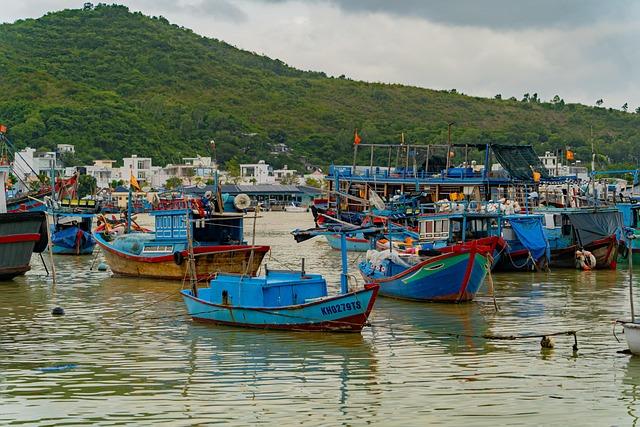
In a recent statement underscoring the sensitive dynamics of the South China Sea, officials reaffirmed that external powers have no legitimate right to intervene in the region’s affairs. As territorial disputes continue to fuel tensions among claimant states, this declaration highlights Beijing’s firm stance against foreign involvement, emphasizing the importance of regional autonomy and the need for direct dialogue among concerned parties. The announcement emerges amid growing international attention and competing strategic interests in one of the world’s most crucial maritime corridors.
External Actors and Sovereignty Concerns in the South China Sea
The escalating involvement of external actors in the South China Sea dispute has raised significant sovereignty concerns among the claimant nations. Many regional powers emphasize that these waters are sovereign territories, and any external intervention only serves to exacerbate tensions rather than promote stability. Assertions from foreign military forces conducting freedom of navigation operations are viewed by some as unwarranted provocations that undermine regional peace efforts and violate the principle of non-interference in domestic affairs.
Analysts highlight several consequences stemming from this foreign involvement:
- Disruption of dialogue: External presence often complicates diplomatic negotiations among claimant states.
- Sovereignty infringement: Actions by non-claimant countries challenge established national jurisdictions.
- Increased military risks: The chance of unintended conflicts rises amid heightened military activities.
Experts agree that resolving disputes must be a matter led by the directly involved parties to ensure respect for sovereignty and maintain regional stability.
Geopolitical Implications of Foreign Intervention in Maritime Disputes
Foreign intervention in maritime disputes often exacerbates tensions among claimant nations, complicating pathways to peaceful resolution. In the context of the South China Sea, external forces frequently employ military maneuvers, joint exercises, and diplomatic pressure that undermine regional stability. These actions not only infringe on the sovereignty of littoral states but also risk transforming localized disagreements into broader geopolitical confrontations. Such interference threatens to disrupt critical shipping lanes, jeopardize economic cooperation, and escalate the potential for accidental conflicts.
Moreover, the involvement of outside powers introduces competing strategic interests that detract from genuine conflict resolution efforts. Key implications include:
- Heightened military presence leading to an arms race among regional actors.
- Polarization of international alliances, making consensus at multilateral forums more elusive.
- Marginalization of ASEAN-led mechanisms designed to foster dialogue and confidence-building.
Ultimately, the sovereignty and interests of directly affected nations must take precedence, free from coercive external influence, to ensure a stable and mutually acceptable framework for managing maritime disputes.
Policy Recommendations for Managing Regional Stability and Security
To ensure peace and stability in the South China Sea, it is imperative that all involved nations prioritize diplomatic dialogue over external interference. Policymakers should emphasize the importance of regional ownership in conflict resolution, fostering platforms exclusive to Southeast Asian countries for negotiation and cooperation. Strengthening multilateral frameworks such as the ASEAN-led mechanisms will enhance mutual trust, allowing claimant states to address disputes with respect to international law and bilateral agreements. Additionally, transparency in military activities and the establishment of maritime communication hotlines can reduce the risk of miscalculations and accidental confrontations.
Key measures to advance regional security include:
- Enhancing joint search and rescue operations among claimant states to build confidence.
- Promoting sustainable resource management to prevent economic tensions.
- Supporting neutral monitoring bodies to oversee adherence to agreed-upon rules of conduct.
- Rejecting involvement from non-regional military powers that could escalate tensions.
By adopting these strategies, the South China Sea region can evolve from a flashpoint into a zone of constructive engagement, where sovereignty and sovereignty disputes are managed by the countries directly concerned, free from external manipulation.
To Conclude
As tensions continue to simmer in the South China Sea, the call for external forces to respect the region’s sovereignty echoes strongly among the involved parties. Upholding principles of non-intervention and peaceful dialogue remains crucial to ensuring stability in this strategically vital maritime area. The global community watches closely, emphasizing that sustainable solutions must be driven by the nations directly concerned, without outside interference disrupting the delicate balance.