
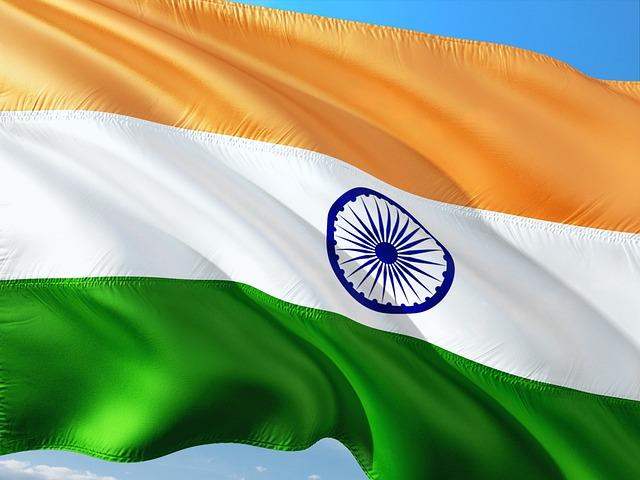
India has adopted a firmer stance in ongoing trade negotiations with the United States, signaling a demand for more favorable terms amid heightened diplomatic engagement. As both nations seek to recalibrate their economic partnership, New Delhi’s assertiveness reflects its growing confidence and strategic leverage in addressing longstanding trade imbalances and safeguarding key domestic industries. The developments underscore a complex interplay of economic interests and geopolitical considerations shaping the future of one of the world’s most significant bilateral trade relationships, Reuters reports.
India asserts stronger negotiating stance amid US trade discussions
In a noticeable shift towards a more assertive approach, India has stepped up negotiations with the United States, signaling its intent to secure significantly improved terms amid ongoing trade discussions. Indian officials have emphasized the importance of safeguarding domestic industries while also ensuring greater market access for their exports. The country’s negotiating team is reportedly leveraging India’s growing economic clout to press for concessions that align with national development goals, reflecting a broader strategy to reduce trade deficits and encourage sustainable growth.
Key demands put forth by India include:
- Enhanced tariff relaxations on agricultural and pharmaceutical products
- Protection of intellectual property rights tailored to support indigenous innovation
- Greater investment opportunities in infrastructure and technology sectors
- Revised rules of origin to benefit Indian manufacturers
This firmer stance suggests a recalibration of India’s trade diplomacy, emphasizing mutual respect and equitable outcomes. Observers note that this could set a precedent for future negotiations with other major economic powers, as India balances cooperation with strategic self-interest.
Strategic priorities shaping India’s demands for improved market access
India’s agenda in the ongoing trade negotiations with the United States is underpinned by a clear push to recalibrate longstanding trade imbalances. The country is concentrating efforts on securing enhanced access for its agricultural exports, including key staples such as rice and spices, where tariff barriers have historically limited competitiveness. Beyond agriculture, India is advocating for the relaxation of non-tariff barriers that hinder its textile and pharmaceutical sectors, aiming to open American markets that have remained relatively restrictive. These priorities are reflective of India’s broader economic strategy to boost export-driven growth, mitigate trade deficits, and foster greater industrial diversification.
Additionally, India is emphasizing the need for technology transfer and intellectual property regime reforms that would encourage more equitable collaboration between Indian and US businesses. The push includes demands for improved protection against dumping and anti-competitive practices that disproportionately affect Indian manufacturers. The country’s negotiators are also vocal about reducing compliance costs linked to complex regulatory standards, which currently act as covert trade barriers. Key strategic demands include:
- Streamlined customs procedures;
- Greater transparency in trade policies;
- Improved market entry for digital services;
- Recognition of India’s emerging market status to facilitate preferential treatment.
Experts recommend targeted policy adjustments to bolster India’s trade leverage
Amid growing complexities in global trade dynamics, specialists are urging the Indian government to implement targeted policy reforms aimed at optimizing its trade position, particularly in negotiations with the United States. Key recommendations include bolstering supply chain resilience, enhancing export incentives, and recalibrating tariffs to better reflect domestic industrial strengths. Analysts emphasize that these measures will not only provide India with stronger bargaining power but also increase its attractiveness as a strategic trade partner on the world stage.
Experts also highlight the importance of addressing non-tariff barriers and streamlining bureaucratic processes to facilitate smoother cross-border commerce. Specific areas of focus include:
- Improving regulatory transparency and predictability
- Investing in infrastructure to reduce logistical costs
- Encouraging innovation-driven exports through R&D support
By embracing these calibrated policy actions, India is positioned to leverage its growing economic influence and secure more favorable terms in ongoing and future trade discussions with the US.
Closing Remarks
As negotiations continue, India’s increasingly assertive stance signals a shift in the dynamics of US-India trade relations. With both sides aiming to advance their strategic and economic interests, the outcome of these talks will be closely watched by global markets and policymakers. How Washington and New Delhi reconcile their differences could shape the future trajectory of one of the world’s most important trade partnerships.