
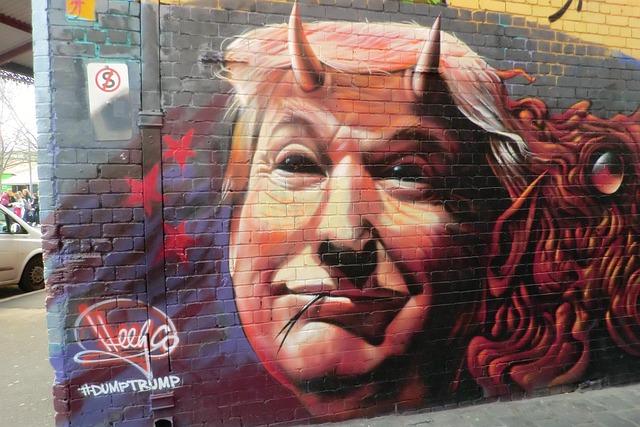
The Trump administration announced plans to impose a new 25% tariff on certain imports from Brazil, marking a significant escalation in trade tensions between the two countries. The decision, aimed at addressing what U.S. officials describe as unfair trade practices and protecting domestic industries, signals a shift in Washington’s approach to its economic relationship with Brazil. This latest measure arrives amid ongoing negotiations and debates over tariffs, trade deficits, and market access, raising concerns about potential repercussions for bilateral trade and global markets.
Trump Administration Targets Brazilian Imports with New 25 Percent Tariff
The U.S. government announced a sweeping 25 percent tariff on a variety of goods imported from Brazil, marking a significant escalation in trade tensions between the two countries. The new tariff focuses mainly on steel and aluminum products, aiming to protect American industries struggling with competition from Brazilian manufacturers. Officials cited long-standing concerns over unfair trade practices and the need to safeguard jobs within key sectors of the domestic economy.
This measure is expected to impact several critical industries, including:
- Automotive parts and components
- Metal fabrication businesses reliant on raw materials
- Construction and machinery sectors dependent on metal imports
Analysts predict retaliatory actions from Brazil may follow, potentially intensifying the trade dispute. The administration underscores that these tariffs are part of a broader strategy to recalibrate trade relationships and bolster U.S. economic interests amid global competition.
Economic Impact on U.S and Brazilian Markets Explored
The newly announced 25% tariff by the Trump administration is expected to significantly disrupt trade dynamics between the U.S. and Brazil, two of the Americas’ largest economies. Industry analysts warn that this protectionist measure could lead to increased costs for American consumers and businesses reliant on Brazilian imports, particularly in sectors like agriculture, manufacturing, and raw materials. Brazilian exporters are bracing for diminished competitiveness in the U.S. market, which might trigger a domino effect of retaliatory tariffs, further escalating trade tensions.
Economic experts highlight several potential repercussions, including:
- Heightened inflationary pressures in both countries due to increased costs of goods and supply chain adjustments.
- Disruption in established trade partnerships causing market volatility and uncertainty among investors.
- Potential job losses in Brazilian export sectors and American industries reliant on imported inputs.
- Shift in global trade alliances as Brazil may seek alternative markets to offset U.S. tariffs.
This tariff move exemplifies the growing protectionist stance of the Trump administration, raising concerns about the broader implications for global trade stability and economic growth.
Experts Recommend Strategic Negotiations to Mitigate Trade Disruptions
In light of escalating trade tensions, specialists emphasize the importance of targeted diplomatic engagements to prevent widespread economic fallout. By fostering open communication channels, negotiators can identify mutual interests and develop pragmatic solutions that minimize unintended consequences on global supply chains. Key strategies include:
- Establishing timely dialogue platforms to address contentious tariff issues
- Leveraging multilateral forums to build consensus and shared commitments
- Implementing phased tariff adjustments to allow market adaptation
Experts also warn that unilateral tariff impositions risk provoking retaliatory measures detrimental to both economies. They advocate for a balanced approach that integrates economic data analysis with geopolitical considerations to sustain trade stability. These efforts aim to safeguard critical industries while promoting long-term cooperation amidst evolving international relations.
Insights and Conclusions
As the Trump administration moves forward with the proposed 25% tariff on Brazilian goods, the implications for bilateral trade and global markets remain closely watched. Stakeholders across industries anticipate the potential ripple effects on supply chains, commodity prices, and diplomatic relations between the two nations. Further developments and official announcements will be critical to understanding the full impact of this new trade measure.