
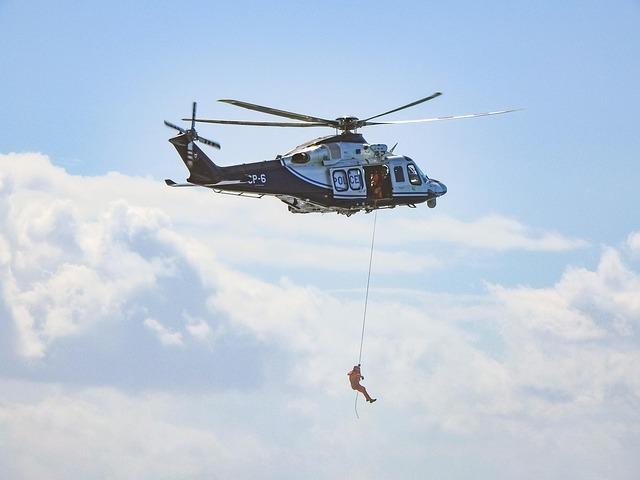
Forty-four people have been rescued following the sinking of a Vietnamese vessel in the South China Sea, according to official reports. The incident occurred amid challenging sea conditions, prompting a swift response from maritime authorities to carry out the rescue operation. Details about the cause of the sinking and the condition of those rescued are still emerging as investigations continue. This development highlights ongoing maritime risks in the busy waters of the South China Sea.
Rescue Operations Underway Following Vietnamese Vessel Sinking in South China Sea
Rescue teams sprang into action immediately after distress signals were received from the ill-fated Vietnamese vessel, which sank abruptly amid turbulent weather in the disputed waters of the South China Sea. Coordinated efforts involving the Vietnamese Coast Guard, naval forces, and nearby fishing boats resulted in the successful retrieval of 44 crew members, who were swiftly transferred to safety. Emergency medical personnel assessed the rescued, with several individuals treated for hypothermia and minor injuries sustained during the evacuation.
Authorities have confirmed the following key points regarding the ongoing response:
- Search operations continue for any remaining missing persons presumed to be lost at sea.
- Vessels from neighboring countries have offered assistance, highlighting regional cooperation amidst tense geopolitical waters.
- Investigations into the cause of the sinking focus on severe weather conditions and possible vessel structural failure.
Shipping routes in the area have been temporarily adjusted as precautionary measures, with continuous updates provided by maritime authorities to ensure safety and minimize disruptions. The incident underscores the inherent risks faced by maritime workers navigating these contested and often perilous maritime zones.
Investigating Causes and Safety Protocols Amid Increasing Maritime Accidents
The recent sinking of a Vietnamese vessel in the South China Sea, which led to the rescue of 44 crew members, has intensified efforts to pinpoint the underlying reasons behind the growing frequency of maritime accidents in the region. Preliminary investigations are focusing on a combination of factors including adverse weather conditions, mechanical failures, and potential lapses in operational protocols. Experts emphasize the need for thorough inspections and adherence to international maritime safety standards to prevent such incidents in the future.
In response to this tragedy, maritime authorities are reinforcing safety measures and revising existing protocols. Key actions being prioritized include:
- Enhanced training programs for crew members on emergency response and evacuation procedures.
- Upgrading vessel maintenance standards to ensure all ships meet rigorous seaworthiness criteria.
- Implementing advanced tracking and communication technologies to facilitate timely distress signals and rescue operations.
- Regular safety drills and audits conducted by independent maritime bodies to ensure compliance.
Enhancing Regional Cooperation and Emergency Preparedness to Prevent Future Tragedies
In light of the recent sinking of a Vietnamese vessel in the South China Sea that necessitated the rescue of 44 individuals, there is a growing urgency to bolster regional collaboration and emergency readiness. Countries bordering this strategic maritime area share a common interest in safeguarding the lives of seafarers and preventing similar disasters. Enhanced cooperation can lead to the pooling of resources, coordinated search and rescue operations, and the establishment of standardized safety protocols that transcend national boundaries.
Key measures to strengthen collective response include:
- Developing joint emergency drills and simulations to improve responsiveness.
- Implementing real-time communication systems linking maritime authorities across the region.
- Sharing intelligence and data on weather patterns and navigational hazards.
- Creating a regional rapid-response task force equipped with specialized rescue equipment.
By prioritizing these initiatives, participating nations can not only reduce response times in the event of maritime emergencies but also foster a spirit of solidarity that is essential for ensuring the safety of all vessels operating in these waters.
The Conclusion
The rescue of all 44 individuals following the sinking of the Vietnamese vessel in the South China Sea marks a significant relief amid the ongoing maritime risks in the region. Authorities continue to investigate the incident to determine its cause, while efforts are being intensified to enhance safety measures for vessels navigating these waters. The swift response and coordination between rescue teams underline the critical importance of preparedness in mitigating the dangers faced by seafarers in one of the world’s busiest and most contested maritime corridors. Further updates are expected as the situation develops.