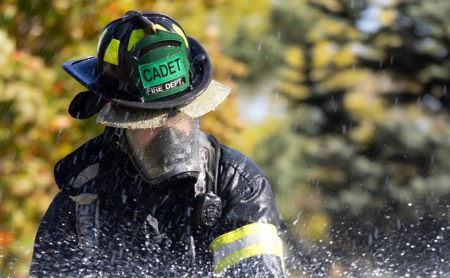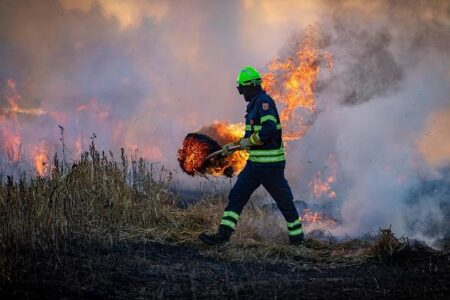
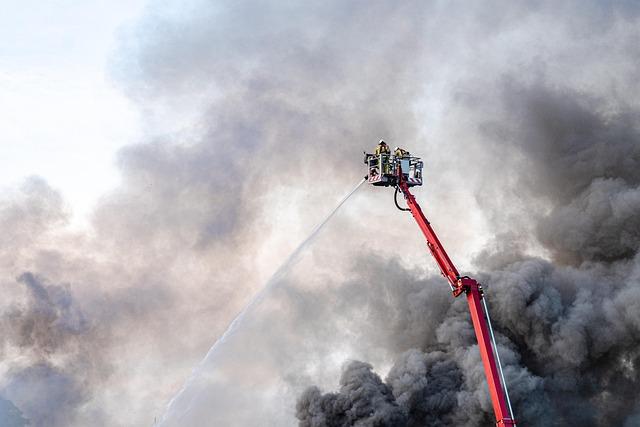
Firefighters in Spain are confronting one of the country’s largest wildfires in recent history amid an intense heat wave sweeping across the Mediterranean region. The blaze, fueled by soaring temperatures and dry conditions, has forced mass evacuations and mobilized hundreds of emergency responders as authorities struggle to contain the rapidly spreading fire. This extreme weather event underscores the growing challenges posed by climate change in southern Europe, where record-breaking heat is increasingly linked to devastating wildfires.
Firefighters Struggle to Contain Spain’s Massive Wildfire Amid Record-Breaking Heat Wave
Amid soaring temperatures and parched landscapes, emergency teams in Spain are confronting one of the largest wildfires in the country’s history. The blaze, which has rapidly consumed tens of thousands of hectares, poses a severe threat to nearby communities and natural reserves. Firefighters are deploying every available resource, including aerial water bombers and ground crews, in an urgent attempt to halt the advance of the flames. The intense heat wave sweeping across the Mediterranean region has only exacerbated the situation, drying out vegetation and complicating containment efforts.
Authorities have issued evacuation orders for several towns and villages, prioritizing the safety of residents as the fire rages on. Key challenges faced by response teams include:
- Unpredictable wind patterns accelerating the spread
- Limited accessibility to mountainous terrain
- High daytime temperatures weakening firefighting endurance
- Risk of further fires ignited by heat and dry conditions
Despite these obstacles, collaboration between local firefighters and international aid agencies is ongoing, underscoring the urgency and scale of the emergency. Continuous monitoring and rapid response remain critical as the region braces for potentially worsening conditions.
Environmental and Health Impacts of Mediterranean Heat Wave Complicate Firefighting Efforts
The soaring temperatures across the Mediterranean region have not only intensified wildfire risks but also severely strained firefighting operations. Extreme heat waves exacerbate dry conditions, turning forests and shrublands into tinderboxes ready to ignite with minimal provocation. Firefighters are forced to contend with rapidly spreading flames fueled by parched vegetation and dry winds, making containment efforts incredibly challenging. The relentless heat also poses critical health threats, increasing risks of heat exhaustion, dehydration, and respiratory issues among firefighting crews and local residents alike.
The combination of environmental and health factors impacting containment efforts includes:
- Decreased physical endurance due to prolonged exposure to high temperatures
- Compromised air quality from smoke inhalation affecting both emergency responders and vulnerable populations
- Equipment overheating and reduced operational capacity during peak heat periods
- Evacuation complications as heat-related illnesses strain emergency medical resources
These conditions complicate coordination between firefighting teams and emergency services, delaying response times and necessitating the deployment of additional support units. As the heat wave persists, the urgency to adapt strategies and expand resource allocation grows, underscoring the critical intersection of climate change impacts and disaster management in Mediterranean ecosystems.
Urgent Calls for Enhanced Forest Management and Climate Adaptation Strategies in Fire-Prone Regions
As wildfires continue to ravage vast stretches of forest in Mediterranean regions, experts warn that current forest management practices are insufficient to counteract the increasing severity and frequency of these blazes. Climate change, combined with prolonged heat waves, has created conditions ripe for unprecedented fire activity, overwhelming firefighting resources and threatening ecosystems, communities, and economies alike. Authorities are now urging immediate reforms, advocating for more proactive measures such as controlled burns, reforestation with fire-resistant species, and enhanced surveillance systems to improve early detection and rapid response.
Key recommendations from environmental specialists emphasize:
- Increased investment in sustainable forest infrastructure and technology.
- Community engagement in fire prevention and preparedness initiatives.
- Integration of climate adaptation strategies tailored to local ecological conditions.
- Strengthened collaboration between government agencies, scientists, and emergency responders.
The growing consensus is clear: mitigating future wildfire disasters requires a holistic approach that aligns ecological stewardship with the realities of a warming planet, ensuring that vulnerable regions can build resilience before the next inferno strikes.
Closing Remarks
As firefighters continue to battle one of Spain’s largest wildfires amidst an intense Mediterranean heat wave, authorities remain on high alert, emphasizing the urgent need for coordinated efforts to contain the blaze and protect affected communities. The devastating fire underscores the increasing challenges posed by extreme weather conditions in the region, prompting calls for enhanced prevention strategies as climate-related incidents become more frequent. Updates will follow as the situation develops.