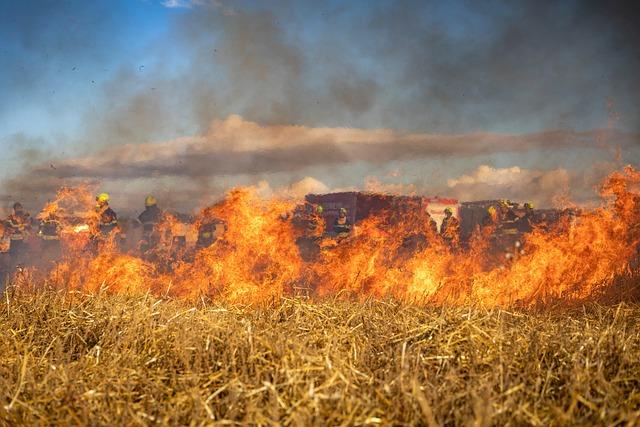
Wildfires have ravaged vast areas across France in 2023, with a staggering 115,000 hectares scorched so far this year, according to Interior Minister Gérald Darmanin. The widespread blazes, fueled by record-breaking heat and prolonged drought conditions, have prompted emergency responses and raised urgent concerns over climate change and forest management. This alarming figure marks one of the most severe wildfire seasons in recent French history, highlighting the growing challenges faced by authorities in protecting lives, property, and natural landscapes.
Wildfires Ravage Vast Areas Across France Amid Rising Temperatures
France is grappling with an unprecedented wildfire crisis, as shifting climate patterns and soaring temperatures have intensified the frequency and severity of blazes throughout the year. The interior minister confirmed that a staggering 115,000 hectares of land have been consumed by flames, marking one of the most devastating wildfire seasons in recent memory. Firefighters and emergency responders have been stretched thin, battling multiple fires simultaneously while safeguarding vulnerable communities and critical infrastructure.
Authorities emphasize that the situation underscores the urgent need for enhanced preparedness and long-term strategies, including:
- Improved forest management and controlled burns to reduce fuel loads
- Investment in rapid-response firefighting technology and personnel training
- Public awareness campaigns aimed at preventing human-triggered fires
As the country continues to confront rising temperatures and extended dry spells, experts warn that such extreme weather events could become a recurring challenge, demanding concerted national and regional cooperation to mitigate further ecological and economic damage.
Government Response Focuses on Strengthening Fire Prevention and Emergency Services
In a bid to curb the escalating devastation caused by wildfires, authorities have launched a comprehensive initiative aimed at bolstering both prevention measures and emergency response capabilities. Key components include enhanced surveillance technologies, such as drone patrols and satellite monitoring, which enable faster detection of fire outbreaks. Additionally, investment in community education programs is ramping up to raise awareness about fire risks and promote safer land management practices, especially in rural and forested regions.
Emergency services are also receiving significant upgrades to ensure rapid intervention during fire incidents. The government is increasing funding for firefighting equipment, expanding training for personnel, and improving coordination between local and national agencies. These efforts are supported by:
- Strengthened volunteer firefighter networks to provide additional manpower during peak wildfire seasons.
- Development of specialized rapid response units equipped to handle the diverse challenges of wildfire suppression and rescue operations.
- Improved infrastructure such as access roads and water points to facilitate firefighting efforts in remote areas.
Experts Urge Increased Community Preparedness and Sustainable Land Management Practices
In response to the unprecedented scale of wildfires ravaging France this year, experts emphasize the urgent need for communities to bolster their preparedness. They advocate for comprehensive educational campaigns aimed at raising awareness about fire risks, evacuation protocols, and property protection measures. Community-driven initiatives, such as local fire watch programs and coordinated emergency drills, are highlighted as effective strategies to reduce casualties and minimize damage during wildfire events.
Simultaneously, specialists call for a shift towards sustainable land management to tackle the root causes of escalating wildfire incidences. Recommended practices include:
- Controlled burns to reduce fuel loads in vulnerable forest areas
- Restoration of natural firebreaks through strategic reforestation and vegetation management
- Promotion of drought-resistant plant species to limit flammability
- Urban planning reforms that account for wildfire risk zones and incorporate buffer zones around settlements
Experts stress that integrating these sustainable practices with community readiness efforts will be critical in building long-term resilience against future wildfire crises.
Wrapping Up
As wildfires continue to ravage vast areas across France, the figures revealed by the interior minister underscore the growing challenge posed by these blazes amid rising temperatures and changing climate conditions. Authorities remain on high alert, mobilizing resources to contain existing fires and prevent new outbreaks. The scale of destruction highlights the urgent need for coordinated efforts in fire prevention, management, and climate resilience as the country grapples with increasingly severe wildfire seasons.