
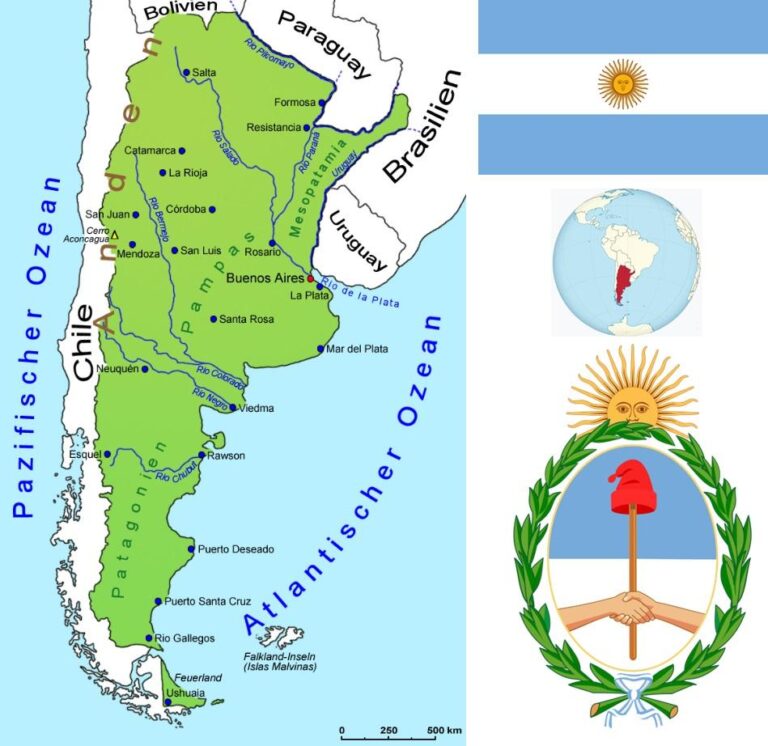
Argentina’s Supreme Court has uncovered a cache of Nazi-era documents hidden in a government basement, describing the find as “of global significance.” The discovery shines new light on the country’s complex historical ties to Nazi fugitives who sought refuge in South America after World War II. The files, previously unknown to researchers and historians, are expected to provide valuable insights into international networks and the extent of post-war Nazi activities in Argentina. This unprecedented revelation has sparked renewed interest and debate over the nation’s role during a turbulent chapter of the 20th century.
Argentina’s Supreme Court Uncovers Nazi-Era Files Hidden in Basement
The Supreme Court of Argentina has recently uncovered a trove of documents dating back to World War II, hidden away in the basement of a historic courthouse in Buenos Aires. These files, described by officials as being of “global significance,” appear to detail connections between Nazi officials and Argentine entities during and after the war. The discovery has sparked renewed interest in Argentina’s controversial role as a refuge for Nazi fugitives, highlighting decades-old suspicions about the extent of collaboration and sheltering efforts on South American soil.
The recovered documents include:
- Correspondence between Nazi officers and Argentine government officials
- Evidence of networked escape routes for war criminals
- Intelligence reports on post-war Nazi activity in the region
- Financial ledgers potentially linking Nazi sympathizers to local institutions
| Document Type | Date Range | Significance |
|---|---|---|
| Official Correspondence | 1942-1945 | Reveals diplomatic ties |
| Escape Plans | 1945-1948 | Details escape routes |
| Financial Records | 1940-1950 | Links to local institutions |
Experts Highlight the Global Historical Importance of Newly Found Documents
The recently uncovered Nazi-era documents found in the basement of Argentina’s highest court have sent ripples through the global historical community. Experts emphasize that these files are more than mere relics; they illuminate previously obscured aspects of post-World War II history, revealing intricate networks and operations that extended well beyond Europe. Historians and researchers believe the documents could redefine understandings of Nazi émigrés’ movements and their influence across South America.
Among the key points highlighted by specialists are:
- Cross-continental connections: Evidence of covert collaborations between former Nazi officials and local figures in Argentina.
- Political implications: New insights into Argentina’s role during the post-war period and its interaction with Allied and Axis remnants.
- Legal ramifications: Potential for reopening unresolved judicial cases linked to war crimes and espionage.
| Category | Significance |
|---|---|
| Historical Clarity | Unveils forgotten narratives and hidden alliances. |
| Legal Review | Revives discussions on accountability and justice. |
| Academic Research | Provides primary sources for future studies worldwide. |
Calls for International Collaboration to Preserve and Investigate Nazi Archives
The recent discovery of Nazi-era documents in Argentina has ignited urgent calls among historians, governments, and international organizations for a unified approach to preserving and thoroughly examining these archives. Experts emphasize that the files are not only a crucial resource for understanding the extent of Nazi operations in South America but also hold valuable insights into global networks that facilitated war crimes and post-war escape routes. Calls for digitization, secure archiving, and transparent research access are gaining momentum to ensure these materials serve as a powerful tool for historical justice and education worldwide.
Key demands from the international community include:
- Establishment of an independent multinational committee to oversee the archives’ preservation
- Accelerated digitization projects to prevent further degradation of physical documents
- Collaboration with Holocaust memorial institutions to contextualize the findings
- Provision of unrestricted scholarly access to facilitate comprehensive research
| Stakeholder | Role in Archive Investigation | Potential Contribution |
|---|---|---|
| Argentine Judiciary | Custodian & Legal Oversight | Secures documents & regulates access |
| International Historians | Research & Analysis | Decipher and contextualize data |
| UNESCO | Preservation & Awareness | Promotes global heritage protection |
| Holocaust Memorials | Educational Outreach | Integrate findings into public education |
Key Takeaways
The discovery of Nazi-era files in the basement of Argentina’s top court underscores the continuing significance of historical archives in addressing unresolved chapters of the past. As authorities assess the contents, the global community watches closely, recognizing the potential impact on ongoing efforts to confront and understand the legacies of World War II and its aftermath. This find not only highlights Argentina’s pivotal role in post-war history but also reinforces the importance of transparency and justice on an international scale.