
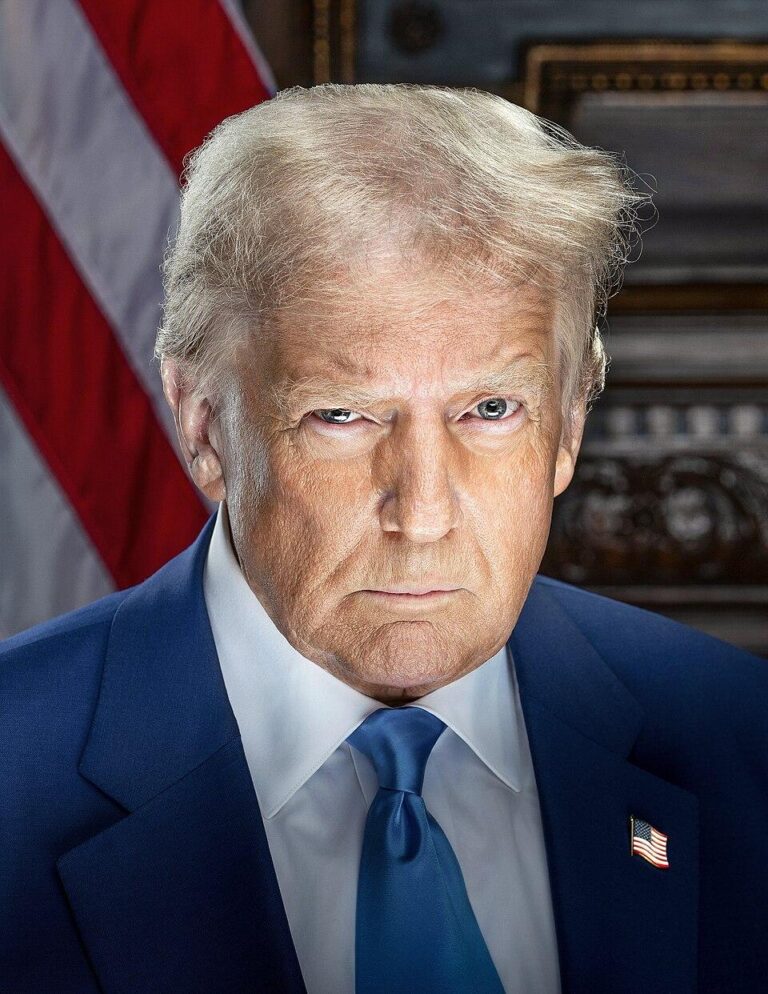
Former President Donald Trump has once again stirred international attention by stating that he would be willing to meet with Russian President Vladimir Putin, even if Putin refuses to meet with Ukrainian President Volodymyr Zelenskyy. Speaking amid ongoing tensions surrounding the Russia-Ukraine conflict, Trump’s remarks highlight his continued engagement with diplomatic approaches that diverge from current U.S. administration policies. This statement raises questions about potential implications for U.S. foreign policy and the broader geopolitical landscape.
Trump Signals Willingness to Engage Putin Despite Kyiv Snub
Former President Donald Trump has reiterated his readiness to hold direct talks with Russian President Vladimir Putin, even as Moscow maintains a firm stance against engaging with Ukrainian President Volodymyr Zelenskyy. Trump’s position underscores a controversial approach to diplomacy, one that prioritizes dialogue regardless of existing geopolitical tensions. During a recent interview, he emphasized that meeting Putin could open channels for negotiation that are currently closed, contrasting sharply with the ongoing conflict and strained relations between Russia and Ukraine.
Critics argue that this willingness to sideline Kyiv could undermine international solidarity and complicate efforts to pressure Russia into complying with global norms. Supporters, however, view it as a pragmatic step toward peace, highlighting key benefits such as:
- De-escalation of military tensions through direct dialogue
- Possible groundwork for future agreements on contested issues
- Bypassing bureaucratic delays often seen in multilateral negotiations
| Potential Outcomes | Supporters’ View | Critics’ Concern |
|---|---|---|
| Peace Talks Initiated | Accelerates dialogue | Marginalizes Ukraine |
| Reduced Hostilities | Lower conflict risk | Legitimizes aggression |
| Political Leverage | Creates negotiation space | Weakens alliances |
Implications for US-Russia Diplomacy Amid Ukraine Conflict
The recent remarks by former President Donald Trump, expressing willingness to engage directly with Vladimir Putin despite the Russian leader’s refusal to meet with Ukrainian President Volodymyr Zelenskyy, have significant ramifications for the delicate US-Russia diplomatic landscape. This stance highlights a growing divergence in approaches to conflict resolution within the West and underscores the complexities of balancing diplomatic engagement with firmness toward Russia’s actions in Ukraine. Such a position may appeal to factions advocating for direct dialogue, yet it risks undermining unified Western pressure strategies aimed at deterring aggression and protecting Ukrainian sovereignty.
Analysts suggest that Trump’s proposal introduces several challenges and opportunities for US policymakers. Among these are:
- Recalibrating diplomatic channels: Direct talks with Putin might bypass established multilateral frameworks involving NATO and European partners.
- Impact on US alliances: The approach could create friction with allies who prioritize coordinated sanctions and military support for Ukraine.
- Perceptions of legitimacy: Engaging Russia without prior Russian commitment to dialogue with Ukraine could be interpreted as diminishing Ukraine’s role in peace negotiations.
| Stakeholder | Potential Benefit | Possible Risk |
|---|---|---|
| US Administration | Renewed dialogue prospects | Alliance discord |
| Russia | Elevated status in negotiations | International backlash |
| Ukraine | Possibility of ceasefire talks | Marginalization in diplomatic process |
Experts Advise Cautious Approach to Unilateral Dialogue with Moscow
Leading international relations experts urge caution in engaging in direct talks with Moscow absent a reciprocal dialogue involving Ukraine. They emphasize that uncoordinated meetings risk undermining the unified diplomatic front necessary for resolving the ongoing conflict. According to analysts, any bilateral discussion held without Ukraine’s participation could embolden Russian strategic ambitions and sideline Kyiv’s interests, potentially complicating pathways toward a sustainable peace process.
Key concerns highlighted include:
- Legitimization of Moscow’s unilateral stances without accountability.
- Potential erosion of Western alliance cohesion.
- The risk of marginalizing Ukraine’s sovereignty and role as a primary stakeholder.
| Perspective | Potential Outcome |
|---|---|
| Unilateral Engagement | Weakening of allied negotiation leverage |
| Inclusion of Ukraine | Balanced dialogue with stronger prospects for peace |
| Avoiding Dialogue | Persistence of conflict and diplomatic stagnation |
In Retrospect
As the geopolitical landscape continues to evolve, former President Donald Trump’s remarks underscore ongoing complexities in U.S.-Russia relations and the broader conflict involving Ukraine. His willingness to engage directly with President Putin-even amid strained diplomatic ties-reflects enduring debates over the most effective approaches to resolving the crisis. Observers will be watching closely to see how these statements influence international dialogues and the prospects for peace in the region.